
Last updated November 24, 2026
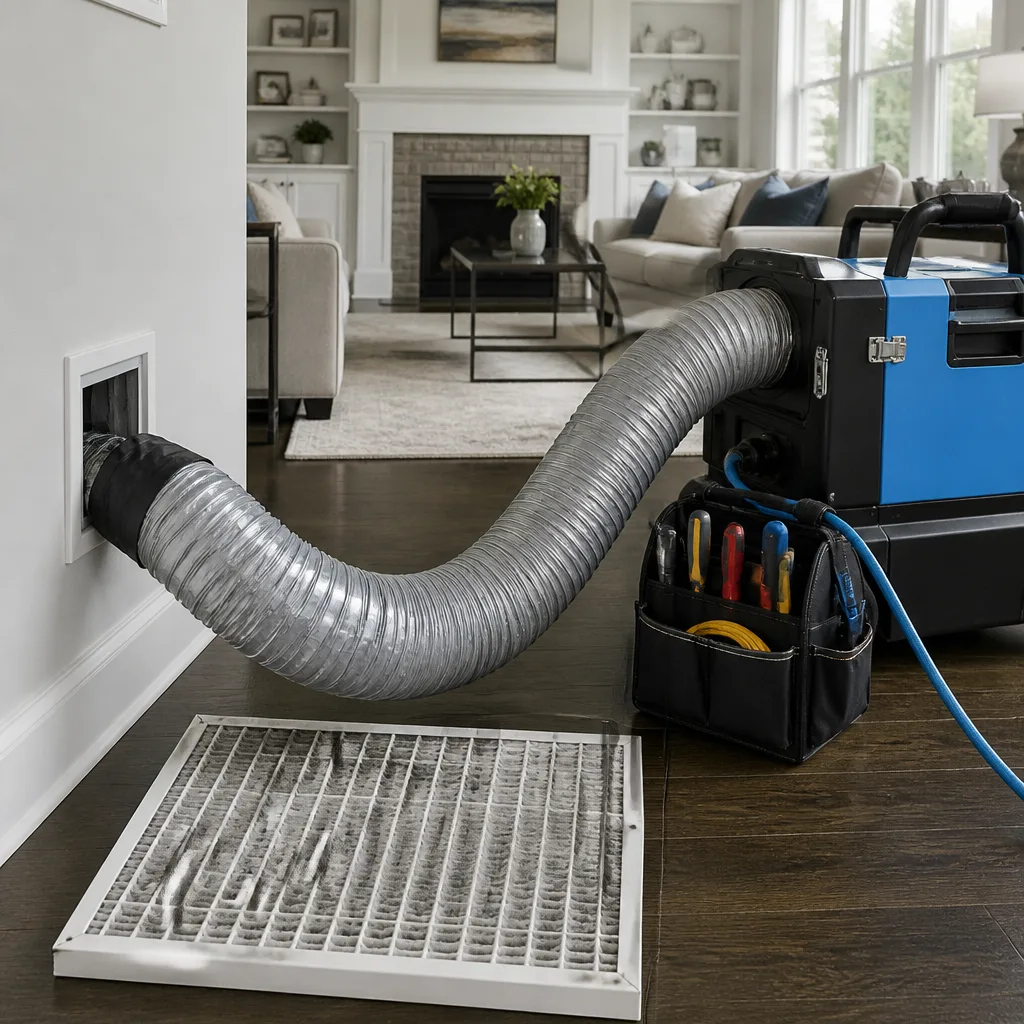 Whole-home duct cleaning
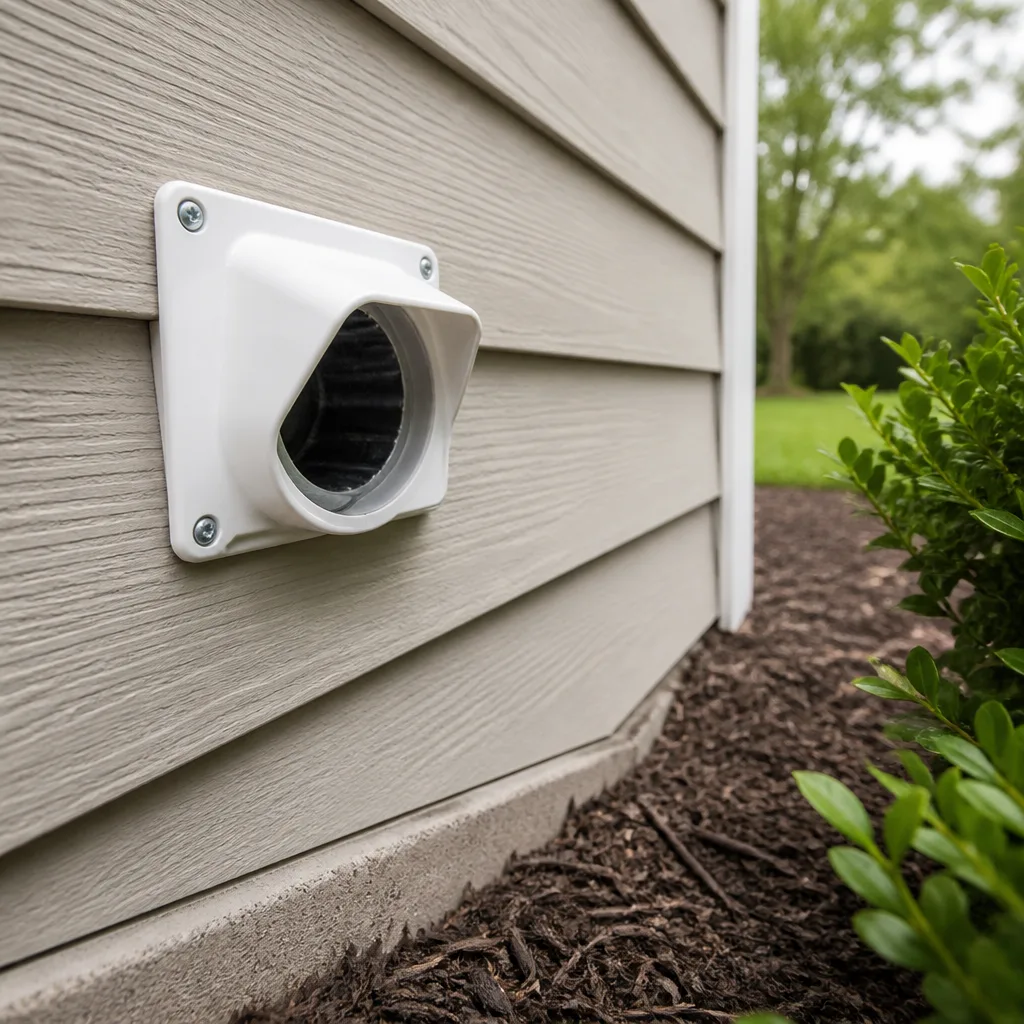 Dryer vent cleaning
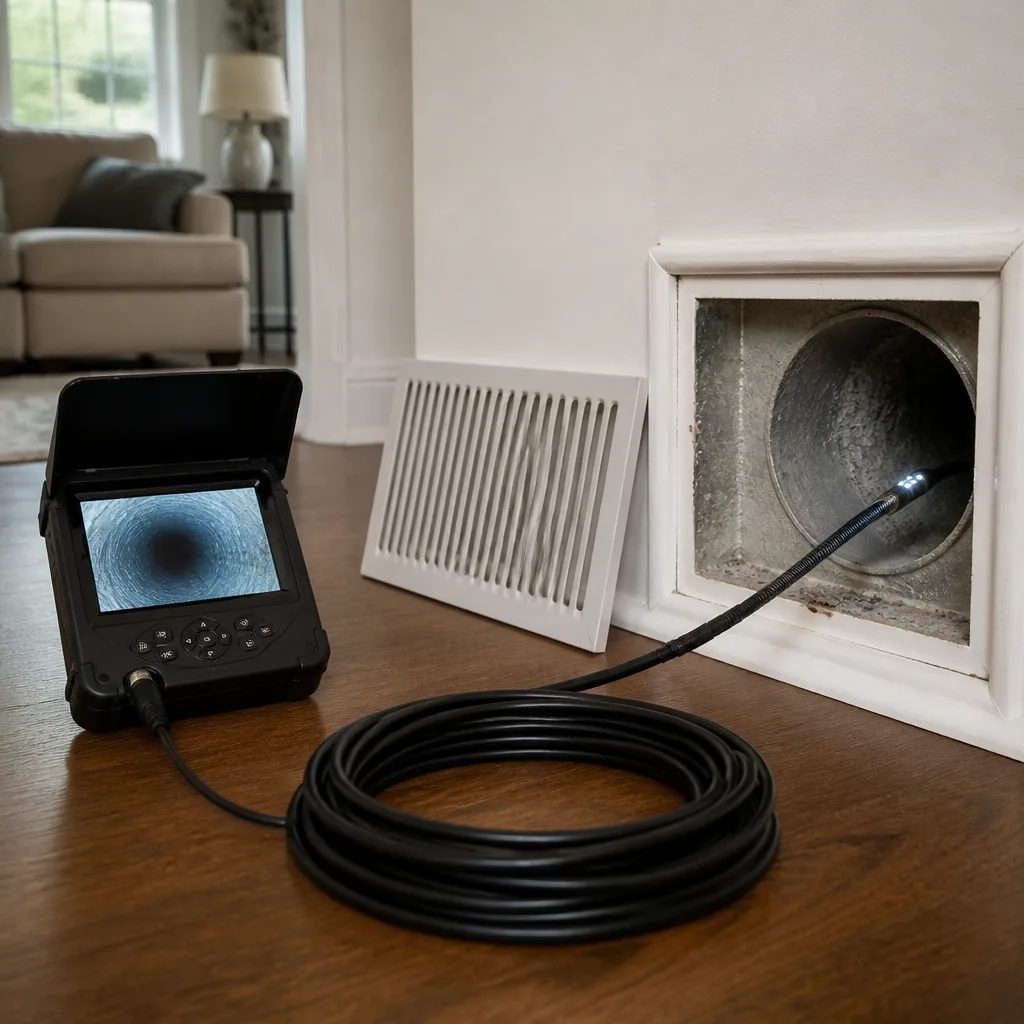 Camera inspection
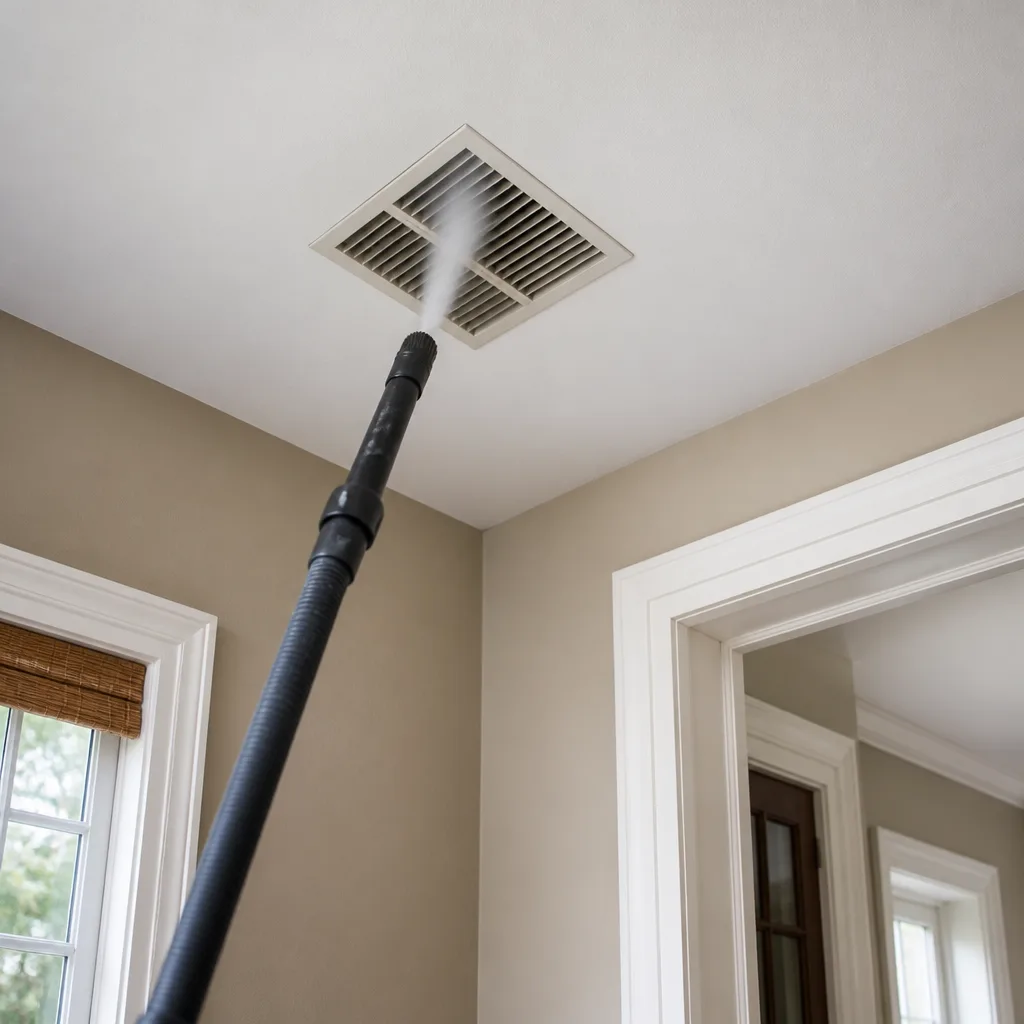 Sanitizing & deodorizing
Whole-system duct and dryer vent check with before-and-after photos - you see exactly what came out of your vents
That "$99 whole-house special" is a bait ad - the real number appears once they are in your hallway, or the "clean" is a shop-vac at the register. We photograph the inside of your ducts before and after instead.
Air Duct Cleaning Warning Signs: A Garden Grove Homeowner’s Reference Guide
If you’re dusting the same surfaces every five to seven days and they’re recoating with fine gray particulate regardless of season, your duct system isn’t circulating air – it’s distributing debris. Most homeowners read that pattern as a housekeeping problem, an allergy season, or a filter that needs changing again. They rarely trace it back to the ducts themselves, because the ducts are the one part of the HVAC system nobody looks at. This guide teaches you to read the signs properly: what different kinds of contamination actually produce, where deposits settle when the cause is ducts versus filters versus outdoor air, and when an odor or a temperature problem means something other than “the ducts are dirty.” By the end you’ll know what’s routine, what’s urgent, and what a cleaning will and won’t fix in a Garden Grove home.
Quick Answer
The core warning signs of a duct problem are recurring dust on the same surfaces within a week, musty odors that return after cleaning the room, visible dark buildup or debris at supply registers and return grilles, uneven room temperatures, and morning congestion that eases when you leave the house. These signs together point to contamination or leaks inside the duct system. A single sign on its own usually means a filter or infiltration issue, so the pattern matters more than any one symptom.
Styles & brands we work with
- Whole-home duct cleaning
- Dryer vent cleaning
- Camera inspection
- Sanitizing & deodorizing
Table of Contents
- Dust Deposit Patterns: Ducts vs. Filters vs. Outdoor Air
- What Different Odors Tell You About Your Ducts
- Uneven Temperatures and Reduced Airflow: Duct Condition or Equipment Wear?
- Health Symptom Patterns That Correlate With Duct Contamination
- What to Look For at Registers and Returns
- Urgent vs. Routine: Sorting Your Warning Signs
- How to Inspect Your Own System Safely
- What a Professional Inspection Actually Includes
Dust Deposit Patterns: Ducts vs. Filters vs. Outdoor Air
Dust is the most misread sign of all, because three different problems produce three different deposit patterns, and homeowners tend to treat them all the same way. A dirty filter, dirty ducts, and outdoor infiltration all leave dust on your furniture, but not the same dust, in the same places, on the same schedule. Learning to tell them apart is the fastest way to know whether you need a cleaning, a filter change, or a conversation about your building envelope.
Dirty filters produce an even, uniform dusting across a whole room, usually lighter in color, because the filter is still catching larger particles but passing the fines. If a filter change makes an immediate difference within a few days, the filter was the whole story.
Dirty ducts produce a different pattern. Deposits concentrate near the outlets of supply registers, on the surfaces those registers blow toward, and settle fastest in rooms fed by the longest or most convoluted runs. You often see a soft gray shadow on the wall or ceiling above a vent. The dust is finer, sometimes slightly darker, and it returns within a week no matter what you clean or change.
Outdoor infiltration shows up near doors, windows, and any spot where air leaks in, not near the vents. It’s seasonal and location-specific. In Garden Grove, homes near busy arterial roads or close to the 22 freeway tend to see more roadside particulate pulled indoors, while quieter interior blocks see less. If your dust concentrates at thresholds and windowsills rather than below the registers, infiltration is doing more of the work than your ducts.
- Filter pattern: even, light dust; improves quickly after a filter change.
- Duct pattern: concentrated near registers and returns; fine, dark, returns in under a week.
- Infiltration pattern: clustered at doors, windows, and gaps; seasonal and tied to outdoor conditions.
What Different Odors Tell You About Your Ducts
Odors are the most useful diagnostic sign in the whole system, because different smells trace to different sources, and only some of them respond to cleaning. Before you book anything, identify what you’re actually smelling. A musty smell that returns every time the system starts running in a Garden Grove home is the one most often misdiagnosed, and cleaning the ducts won’t always fix it.
Coil moisture odor. A wet, sour, damp-basement smell that’s strongest when the air conditioning first kicks on and fades after a few minutes usually points to moisture on the evaporator coil or in the drain pan. That’s where condensation collects all summer in our climate. This is an HVAC cleaning and moisture problem, not a duct-contamination problem, and a duct cleaning alone won’t fix it because the source is the coil.
Duct biofilm odor. A persistent musty or “stale attic” smell that never fades, present whether the system has run for five minutes or an hour, more consistent than the coil smell. That points to biological growth on duct surfaces, especially in older ductwork or in ducts that pass through unconditioned space. This one cleaning and sanitizing does address.
External odors. Smoke, cooking, exhaust, or a sharp chemical smell that appears only under certain conditions is usually being pulled in from outside or re-circulated from another part of the house. That’s a sealing and pressure problem as much as a cleanliness one.
If you can’t tell which of these you’re dealing with, describe it precisely when you call. “Musty every time the AC comes on” and “musty all the time” lead to different conclusions.
Uneven Temperatures and Reduced Airflow: Duct Condition or Equipment Wear?
When one room never gets comfortable, the instinct is to blame the air conditioner. Sometimes that’s right. But in a lot of Garden Grove homes, the equipment is fine and the ducts are the problem: leaks, crushed runs, disconnected joints, or buildup that narrows a duct and chokes the airflow to a single room. Knowing which produces which symptom saves you from replacing a working system.
Duct problems tend to produce:
- One or two rooms consistently worse than the rest, often at the end of the longest run.
- Weak airflow from a specific register you can actually measure by hand.
- A room that’s too warm in summer but fine in the shoulder seasons, because reduced airflow can’t keep up with peak cooling demand.
- Temperature swings that follow which rooms are being used, because closed doors change the pressure balance.
Equipment wear tends to produce:
- A whole-house problem, not a single-room one.
- Slow cooling everywhere at once.
- Longer run times with the same airflow, because the system is working harder to hit the same target.
- Short cycling, strange noises from the outdoor unit, or a system that cools sometimes and not others.
Leaky or crushed ducts also undermine energy efficiency, because you’re paying to condition air that never arrives. Duct sealing closes that gap. If the pattern is one problem room, or a house that’s always hardest to cool in the late afternoon, look at the ducts before you look at the equipment.
Health Symptom Patterns That Correlate With Duct Contamination
Health symptoms aren’t proof of duct contamination, and we’re careful never to claim they are. But certain patterns are worth taking seriously, because they’re consistent with what contamination inside a duct system does to the air you breathe indoors. The pattern matters more than any single complaint.
The clearest pattern is morning congestion: a stuffy nose, throat irritation, or a cough that’s worst first thing and eases after you’ve been up and moving. If the same thing happens every morning, and it isn’t seasonal in the way allergies usually are, that’s a signal. The second pattern is relief away from home. If symptoms ease up when you’re at work or away for a few days and return within an hour of walking back in, the house is contributing to something.
The third and most useful pattern is occupant-specific reactions. One member of the household reacts and others don’t, or a guest notices it in a particular room. That doesn’t mean the sensitive person is exaggerating; it means there’s something in the air that varies by room and by sensitivity. Dupes rarely show up in a whole-house way for everyone at once, which is why the room-specific pattern is a better clue than a general complaint.
Two things to be honest about. First, a professional can’t diagnose a medical issue, and we won’t try. Second, some of these patterns also match allergies, humidity, or a pet in the house. That’s why we treat symptoms as a prompt to inspect the system, not as a diagnosis. In Garden Grove, where homes run their systems year-round and humidity shifts with the cooling season, the most reliable single test is whether symptoms improve when you’re away and worsen on return.
What to Look For at Registers and Returns
The supply registers and return grilles are the only part of your duct system you can actually see without dismantling anything, so they’re where you do your best front-line inspection. What you see at the vents tells you whether this is a routine cleaning or something that needs a more urgent look.
Signs of urgent concern:
- Visible dark buildup, thick dust, or debris inside the boot or on the first few inches of duct surface behind the grille.
- Actual particles or contamination falling into the room when the system runs.
- Moisture, staining, or a dark discoloration that looks like biological growth around the register collar.
- A strong musty smell emanating specifically from one register when the system starts.
Signs of routine service needs:
- Light dusting on the grille face that cleans off easily.
- Pet hair concentrated at the return, which is normal for a home with animals but worth a cleaning on a normal schedule.
- Uneven airflow between registers that improves when a run is sealed or repaired.
Don’t try to inspect deep inside a duct yourself. You can cause damage to flex inner linings, and once you get past the boot you’re working blind. Look at what’s visible, take a photo with your phone if it helps you describe it, and let an inspection camera go the rest of the way.
Urgent vs. Routine: Sorting Your Warning Signs
Not every sign is an emergency, and treating everything as urgent is exactly how the industry earned its bait-and-switch reputation. We’d rather you knew which signs can wait and which can’t. Here’s the honest sorting.
Handle promptly:
- Actual debris or contamination visibly blowing into a room from a register.
- A musty smell you can tie to the ducts and that doesn’t clear after a coil and drain-pan check.
- A system that was recently flooded, water-stained, or had moisture in the ductwork, which is a contamination risk.
- A dryer vent that’s blocked or slow to dry clothes, which is a fire-safety issue and shouldn’t wait.
Routine, schedule a normal appointment:
- Dust that returns within a week but no moisture or smell.
- One or two rooms running slightly warm in summer.
- Light deposits at the registers with no visible growth.
- Annual cleaning on a home with pets or recent remodeling.
If you’ve never had the system looked at and you’ve been in the house a few years, a routine inspection and cleaning is a reasonable place to start. It’s the honest answer to the question “do I need this today?”
How to Inspect Your Own System Safely
You can survey your own system without touching anything risky. This is a “look and note” process, not a “take it apart” process. It takes fifteen minutes and gives you a clear description of what’s going on.
- Walk the house with a good flashlight. Check every supply register and every return grille. Note the dust level, any visible debris, and any staining or discoloration.
- Clean one surface and wait. Wipe one side table, the top of one TV, or a shelf in each problem room. Note how fast the dust returns in one week. That’s your baseline.
- Check your filter. Pull it, look at it. Is it new enough to trust? Change it if it’s borderline and re-check in a week. If the dust pattern shifts, the filter was part of it.
- Note the airflow. Feel each register with your hand. Is one clearly weaker? Is the weak one in the room that never gets cool?
- Check the dryer vent outside. A clogged dryer vent isn’t a duct-cleaning issue, it’s a fire-safety issue, and it’s worth checking separately.
- Listen and smell. Note any stronger smells at the vents, and whether they’re constant or only when the system runs.
Never open the air handler or remove sealing panels yourself. Electrical and moving parts live in there, and duct connections can be damaged getting them back. The survey stops at the grille.
What a Professional Inspection Actually Includes
A professional inspection should tell you what’s inside the system, not just that the ducts are “dirty.” That’s the difference between a real service and a sales call.
- Visual inspection with an inspection camera inside the main trunks and a sample of branch runs.
- Before-and-after photos of your own ducts, so you can see what was there and what changed. You should never have to take someone’s word for it.
- A look at the air handler and coil to separate a duct problem from a moisture or HVAC problem, because treating one as the other wastes your money.
- Filter and equipment knowledge, especially if you run Honeywell or Aprilaire filtration and air quality components. A technician who understands your filtration setup can explain why the ducts are loading the way they are.
- A full-system scope that covers cleaning, repair and sealing, sanitizing, HVAC cleaning, and dryer vent safety together. One call should address the whole system, not just one service line.
The equipment matters, too. Professional duct cleaning is done with truck-grade or commercial-grade systems. Our technicians work with Rotobrush and Nikro duct-cleaning equipment, and we use Abatement Technologies equipment for contaminant and particulate control when air quality is a genuine concern. Our technicians have up to 12 years of experience reading these systems, and we’d rather tell you it’s fine than sell you something the ducts don’t need.
The Garden Grove Context: Climate, Homes, and What It Means for Your Ducts
Garden Grove sits inland enough that the summers are warm and the humidity is modest but real, and that combination shapes duct problems here. The cooling season is long, so the system runs often and long, and the evaporator coil gets a lot of use pulling moisture out of the air. Air conditioners that run year-round also push their air through the same ducts month after month, so any buildup inside gets distributed to every room on the system. That’s the local reality behind the dust patterns above.
Older Garden Grove neighborhoods, especially the tracts built in the middle of the last century, often still have ductwork that’s reached the end of its useful life: connections pulled loose, runs crushed by later remodeling, or flex duct with an inner liner that’s torn. In those homes, “dirty ducts” is often really a duct repair and sealing problem hiding behind a cleaning question. Newer construction in the city can have the opposite issue: tight ducts but a filter or air quality setup that hasn’t kept up with the household’s needs.
Outdoor air in Garden Grove also varies by block. Homes closer to commercial corridors and major roads see more fine particulate pulled in through intakes and leaks than homes on quieter interior streets. If your dust pattern points to the vents, the ducts are the source; if it points to the doors and windows, infiltration is contributing and sealing is a conversation worth having. Reading that difference is the core of this guide. When you’re ready, an air duct cleaning inspection can confirm what’s in the system and what kind of service it actually needs.
See the difference
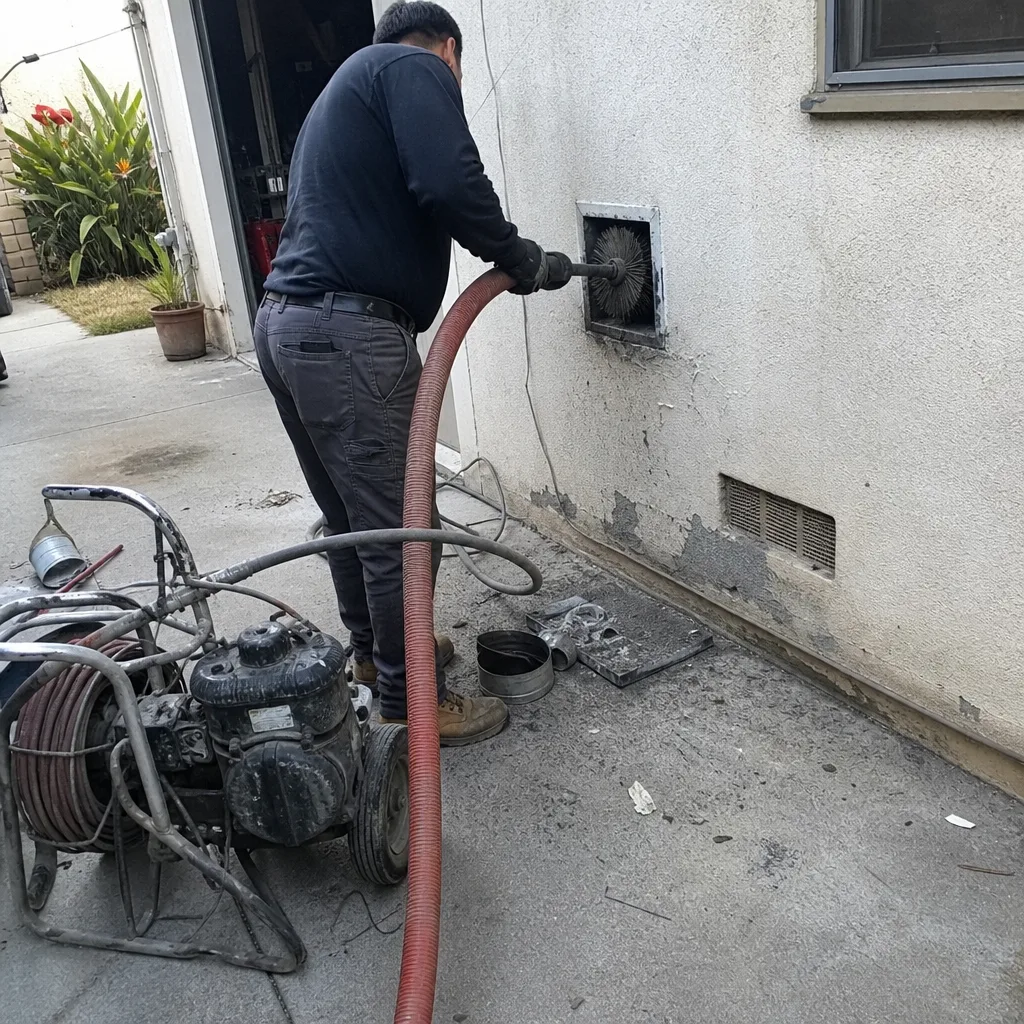 Before
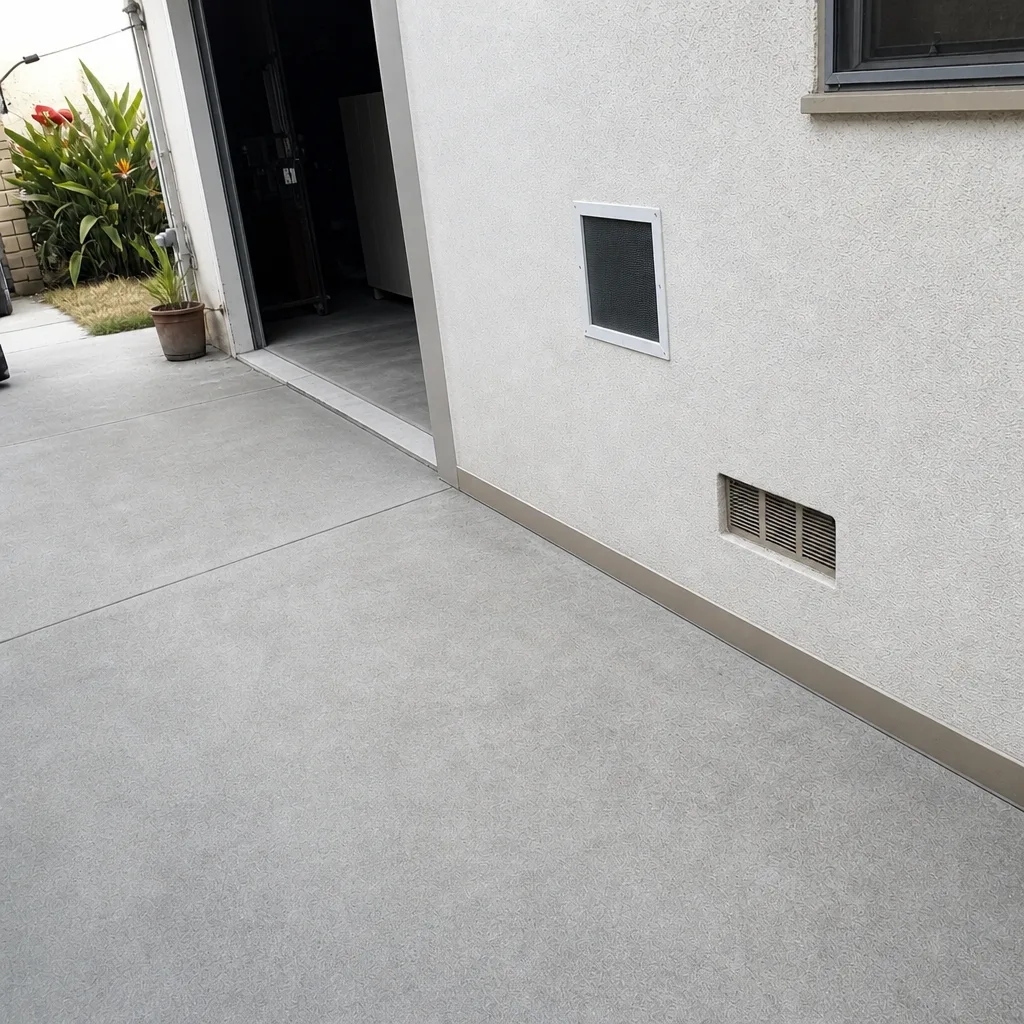 After
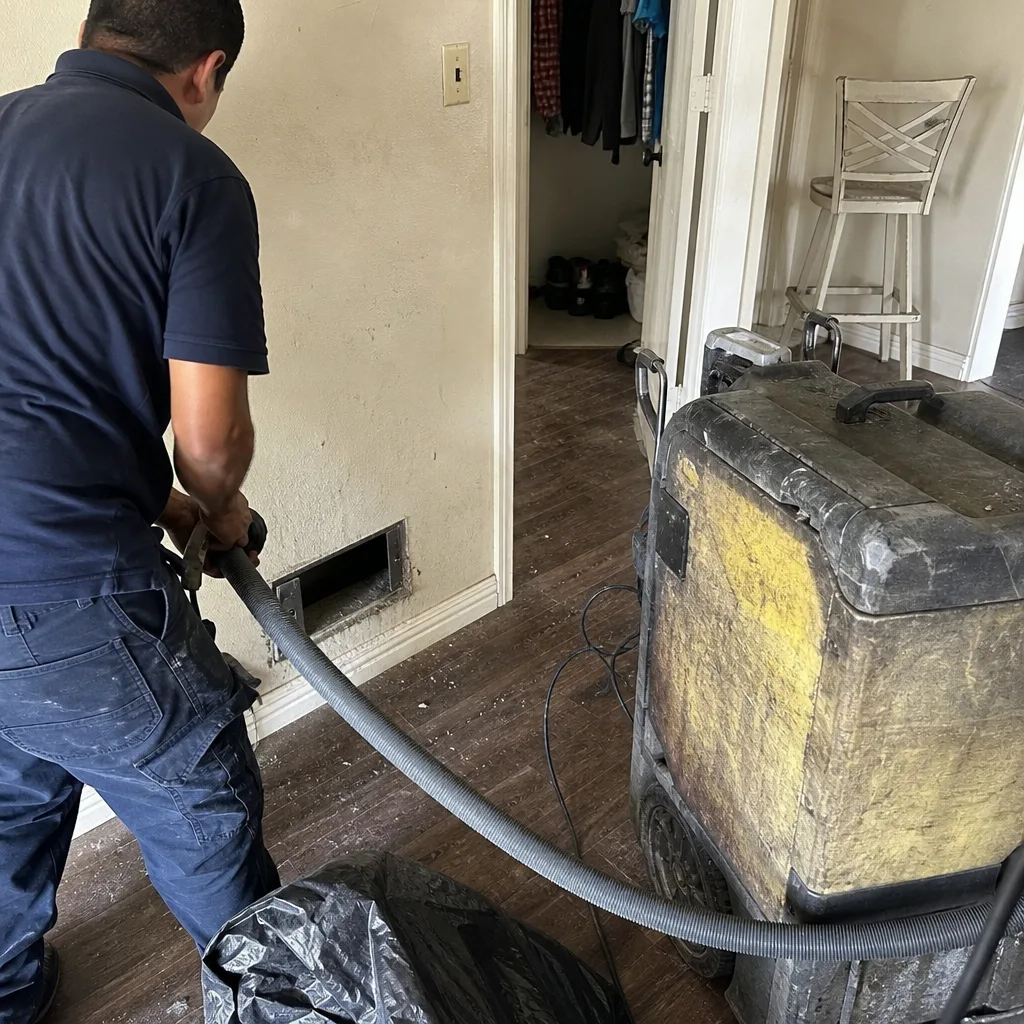 Before
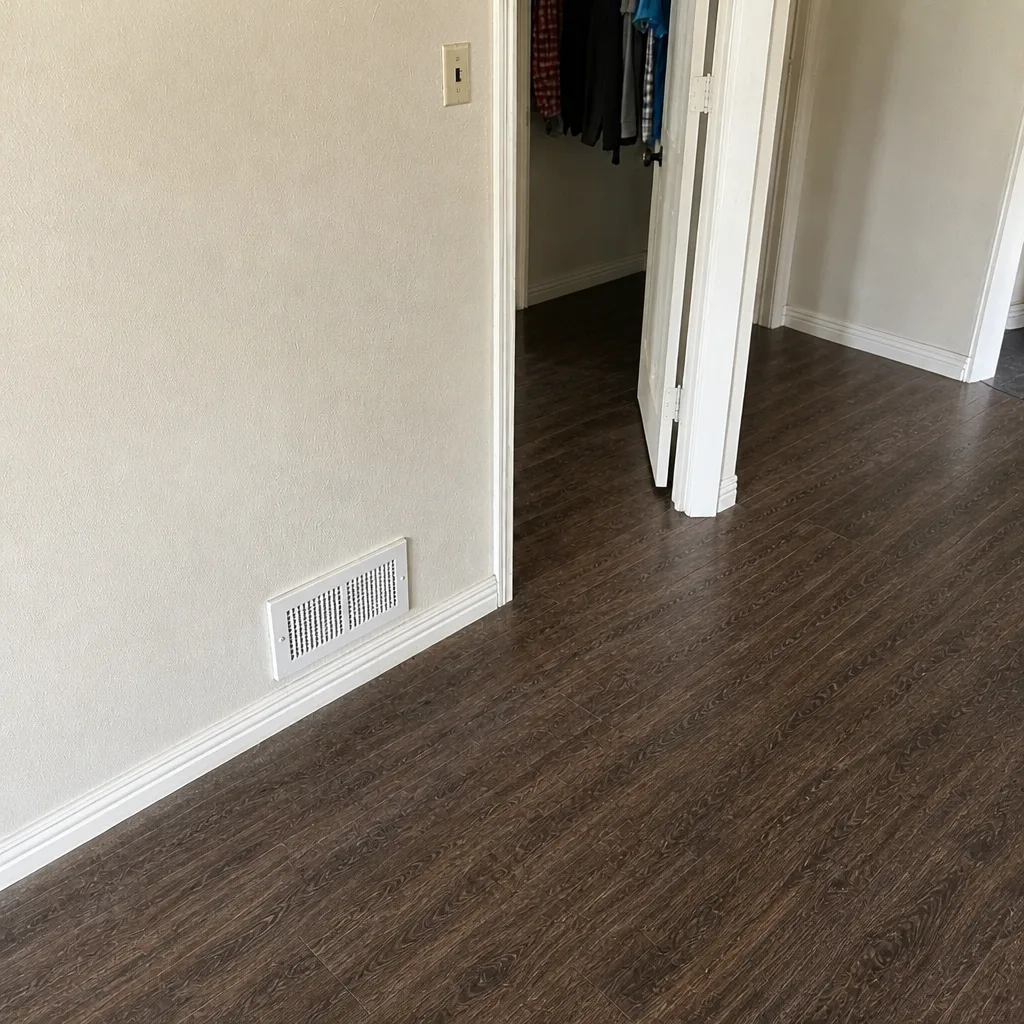 After
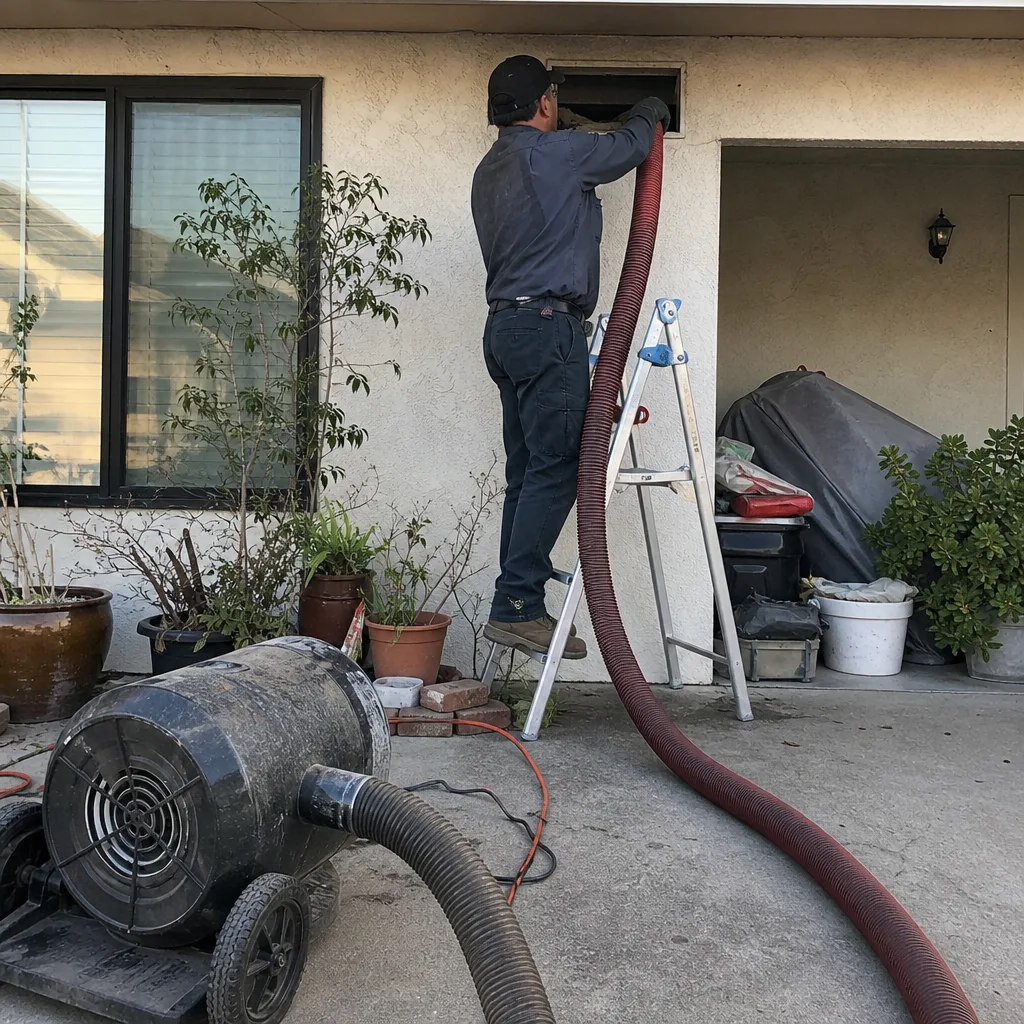 Before
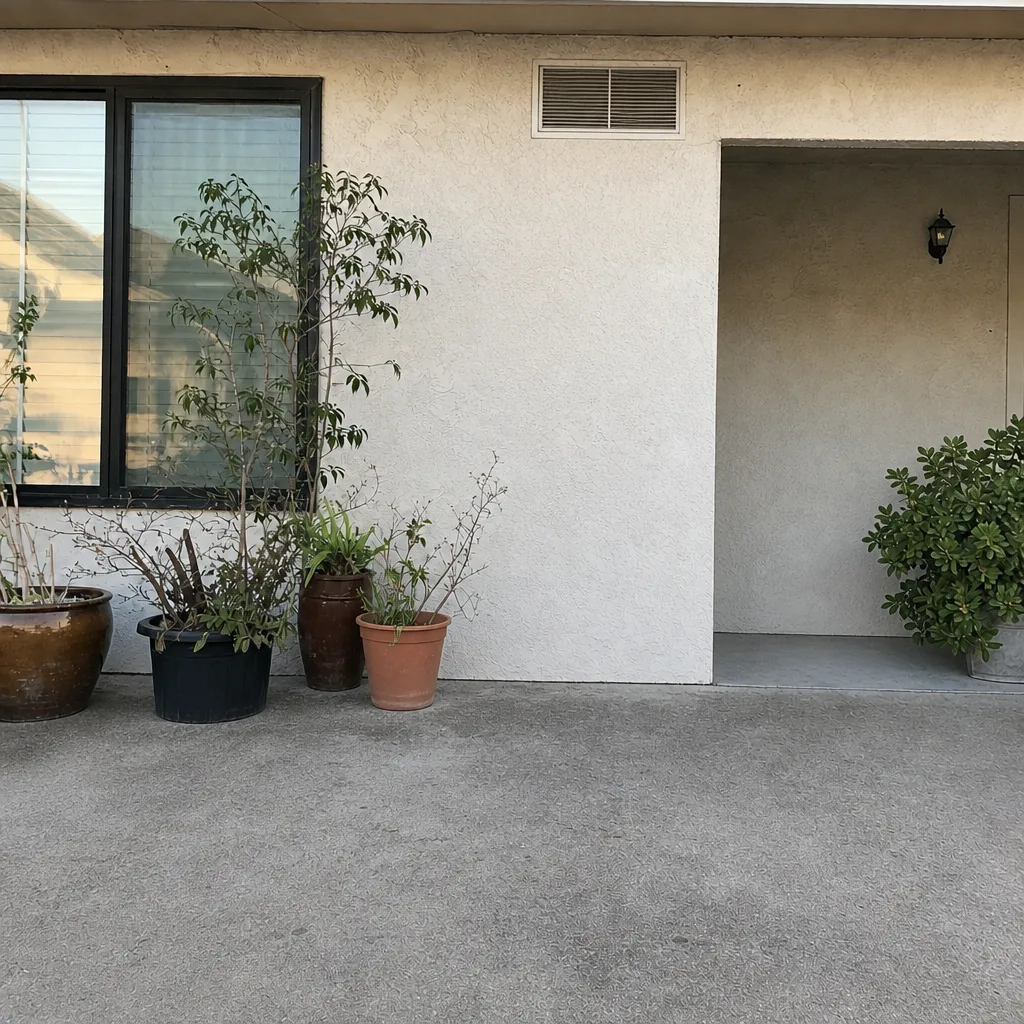 After
Common Mistakes to Avoid
- Changing the filter and assuming the problem is solved because the dust didn’t come back in two days. Dust returns in a week, not a day; if you’ve only waited two days, you haven’t tested anything yet. Give it a full week on a fresh filter before ruling out the ducts.
- Booking a cleaning for a coil-moisture smell. If the musty smell shows up only when the AC first starts and fades after a few minutes, the coil or drain pan is the source, and cleaning the ducts won’t fix it. Get the coil and drain inspected first.
- Judging by one room. A single hard-to-cool room points to a duct run, not the whole system. A whole-house problem points at the equipment. Mixing these up leads to paying for the wrong service in either direction.
- Ignoring the dryer vent. Dryer vent safety is a separate service from duct cleaning, and a clogged dryer vent is a house-fire cause, not a maintenance nuisance. Check it outside and don’t put it off.
- Letting anyone quote a price without inspecting the system. A professional estimate is based on the system in front of them, not a number over the phone. In Garden Grove, with our mix of older and newer housing stock, the system is the estimate.
- Assuming a dirty-duct smell and an external smell are the same. One gets fixed by cleaning and sanitizing; the other may need sealing. If you’re not sure which you have, describe the timing of the smell when you call.
- Over-cleaning a fine system as a habit. If your ducts are clean and your filter is right, an annual cleaning isn’t automatically what you need. Ask, and be ready to hear “you’re fine.”
When to Call a Professional
Call us when the signs line up rather than when a single symptom appears. The clearest cases are recurring dust from the registers that returns within a week despite a fresh filter, a musty smell you can’t explain and that doesn’t vanish after a drain-pan check, visible debris or moisture behind a grille, a helper vent that won’t dry clothes, or morning congestion that improves when you’re away. If you’ve had a remodeling project or water intrusion, that’s a professional inspection too. If the pattern is a single room that’s always warm while the rest is fine, a duct repair and sealing inspection is the right first step. Air Duct Cleaning Garden Grove Pros offers free estimates in Garden Grove. Call (877) 792-6315 for a free estimate. We answer 24/7. Fast dispatch from 7am to 7pm, Sunday through Friday.
Frequently Asked Questions
The most reliable signs are a dust layer that returns to the same surfaces within one week despite a fresh filter, visible dark buildup or moisture behind the supply registers and return grille, a musty smell tied to the ducts that doesn’t clear after a coil check, and persistent morning congestion that eases when you leave the house. Call (877) 792-6315 for a free estimate if you see more than one of these together.
Every job here is priced as one flat price per system, agreed in writing before any work begins, because the cost depends on the size of the system and the condition inside it, not a per-vent number. We don’t quote a teaser coupon price that turns into a larger invoice on site. Ask for an inspection and a written estimate, and you’ll know the full price up front. Call (877) 792-6315 for an exact quote.
A low quote typically means one of two things: it’s a teaser price that rises after the technician is on site, or it’s priced per vent for a surface wipe that doesn’t clean the system. Professional cleaning is done with commercial-grade equipment, not a shop vacuum, and a serious quote reflects the whole system. Compare what’s in the estimate, not just the number. Call (877) 792-6315 if you want a straightforward written estimate.
You ask for before-and-after photos of your own ducts, which any real cleaning should provide. An inspection camera should show you the trunk and branch runs before and after, and a proper estimate should itemize what was cleaned. If a company can’t show you the evidence, that’s your answer. Call (877) 792-6315 for a free estimate with documentation.
There’s no universal interval. Homes with pets, recent remodeling, water intrusion, or someone with respiratory sensitivity often benefit from more frequent service, while a clean system with the right filter may not need annual cleaning at all. Garden Grove’s long cooling season is a factor, but the honest answer is that the system tells you when it needs attention. Call (877) 792-6315 and we’ll inspect before we recommend anything.
Contamination in the duct system can circulate dust and particles into every room, which can aggravate symptoms for people sensitive to them, but we’re careful not to claim a diagnosis. The useful test is whether symptoms ease when you’re away from home and return soon after you’re back, along with a dust pattern that points to the registers. If that’s your pattern, call (877) 792-6315 for a free estimate and an inspection.
The Bottom Line
Duct contamination announces itself in patterns, not single symptoms. Dust that returns within a week is pointing at the ducts, not the duster. A musty smell that only shows up when the AC starts is a coil problem, and a musty smell that never goes away is often a duct problem. One warm room is a duct run; the whole house is the equipment. Debris and moisture behind a grille deserve a prompt inspection, and a slow-drying clothes dryer belongs in the same conversation. Learn to read the pattern, ask for before-and-after photos and one flat price per system agreed in advance, and you’ll never overpay for a service your Garden Grove home doesn’t need. Call (877) 792-6315 for a free estimate. We answer 24/7. Fast dispatch from 7am to 7pm, Sunday through Friday.
Related reading: Air Duct Cleaning Garden Grove Pros, dryer vent cleaning, and HVAC cleaning.
Written by the team at Air Duct Cleaning Garden Grove Pros.