
Last updated November 24, 2026
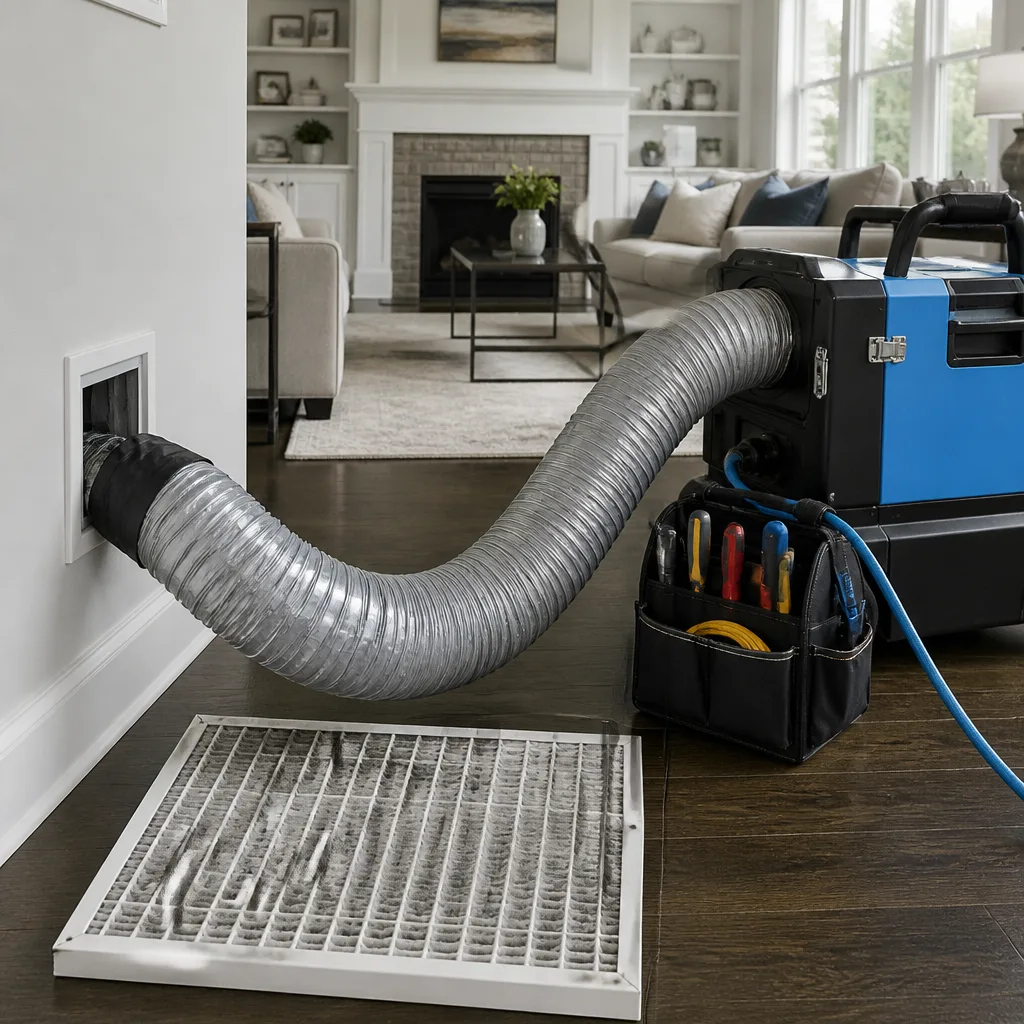 Whole-home duct cleaning
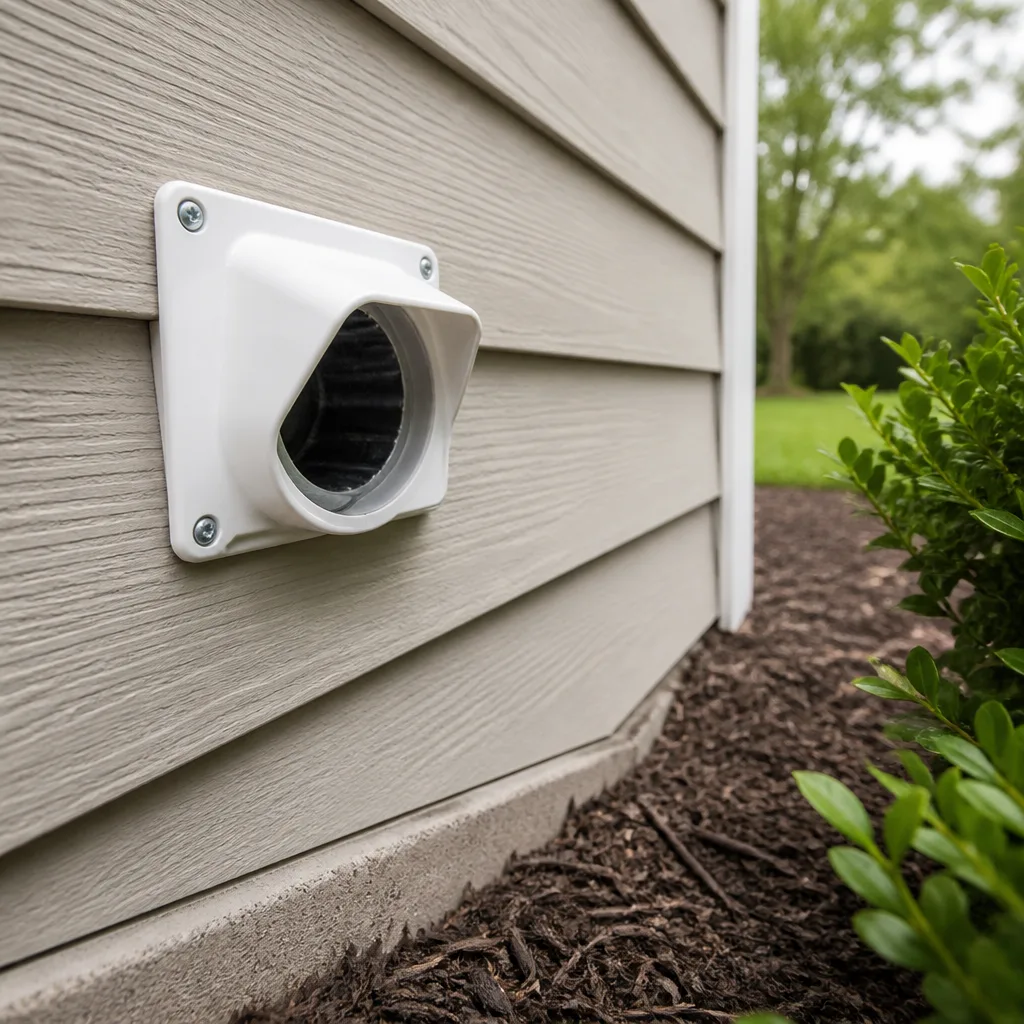 Dryer vent cleaning
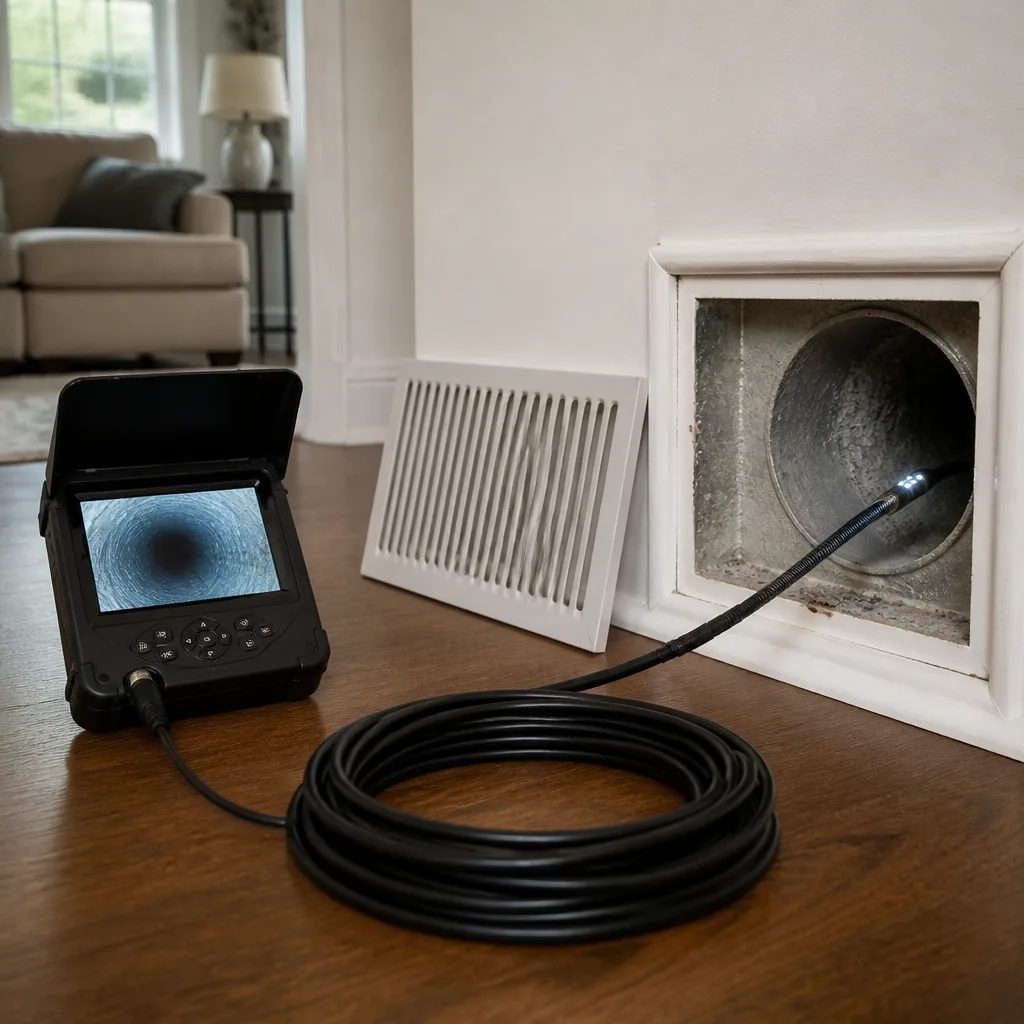 Camera inspection
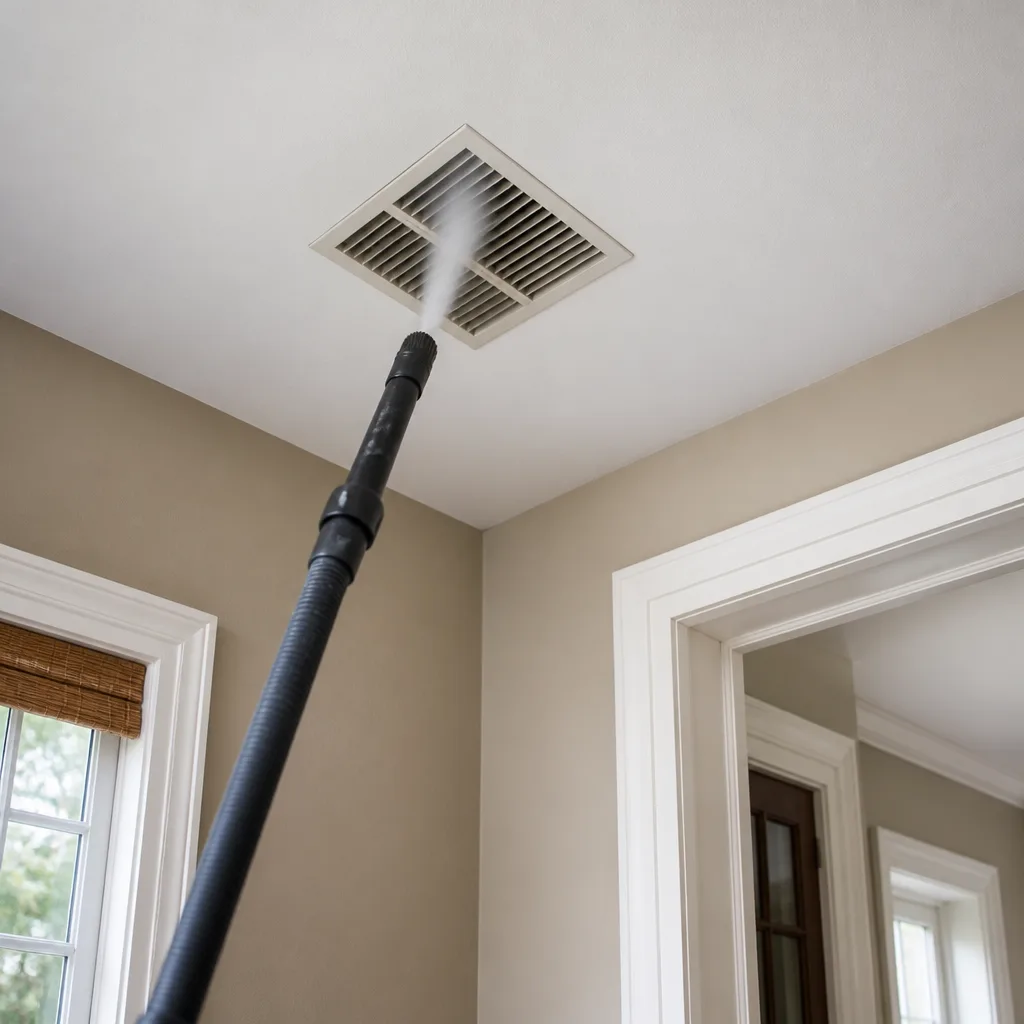 Sanitizing & deodorizing
Whole-system duct and dryer vent check with before-and-after photos - you see exactly what came out of your vents
That "$99 whole-house special" is a bait ad - the real number appears once they are in your hallway, or the "clean" is a shop-vac at the register. We photograph the inside of your ducts before and after instead.
The Complete Guide to Air Duct Cleaning in Garden Grove
Most people assume duct cleaning is a single procedure with one price and one result. It isn’t. In Garden Grove, the work your ducts actually need depends on when your house was built, how the original system was laid out, and what the local air has been doing to it for years. A home built before 1980 was engineered for insulation standards, HVAC technology, and air quality expectations that no longer exist, and cleaning protocols haven’t always caught up. This guide explains what a real, system-specific clean looks like in Garden Grove, how to tell a surface blowout from a source-removal job, and what to ask before anyone hooks equipment to your plenum.
Quick Answer
Air duct cleaning in Garden Grove is a diagnostic, system-specific process, not a one-size-fits-all service. A proper job starts with an inspection of registers, plenums, the coil housing, and the blower compartment, then uses professional-grade equipment like the Rotobrush or Nikro systems for source removal rather than a surface blowout. Because most Garden Grove homes were built before 1980, aged flex duct and legacy insulation often shape what a technician can safely do, and the work should always end with a filter and coil assessment so the source of contamination is addressed, not just the symptom.
Styles & brands we work with
- Whole-home duct cleaning
- Dryer vent cleaning
- Camera inspection
- Sanitizing & deodorizing
Table of Contents
- Why Garden Grove Ducts Age Differently
- How Local Humidity Creates Biofilm Buildup
- What Pre-1980 Duct Construction Changes
- Surface Blowout vs. Source Removal: How to Tell the Difference
- What a Full-System Inspection Should Document
- Why Filter and Coil Assessment Comes First
- The Five Services Behind a Complete Duct System
- Living With Santa Ana Dust Cycles
- Common Mistakes to Avoid
- When to Call a Professional
- Frequently Asked Questions
Why Garden Grove Ducts Age Differently
Garden Grove sits in a mild, humid pocket of Orange County where the air that moves through a home’s ductwork carries a particular mix: moisture for part of the year, dry airborne dust for another part, and long stretches where both linger. That combination doesn’t destroy ductwork quickly. It slowly changes what’s inside it. Ducts that look fine from a register grille can hold years of settled particulate along the bottom runs, especially on horizontal sections where airflow slows and particles drop out.
The housing stock matters just as much. Most Garden Grove homes went up before 1980, which places them in an era of construction where flex duct was common, insulation practices were different, and HVAC systems were sized and routed for a smaller set of assumptions. Many of those systems have been replaced or retrofitted over the years, but the ductwork underneath often hasn’t. When you clean a duct system in Garden Grove, you’re often working with materials that have been asked to do a job they weren’t designed for.
What that means for you:
- Older flex duct can sag, kink, or separate at joints, so airflow varies room to room even when the system “works.”
- Settled dust on the bottom of horizontal runs is normal in older Garden Grove homes and often invisible from the register.
- Retrofitted HVAC equipment may not match the original duct sizing, creating pressure issues that keep dust circulating.
- Rebuilt or expanded homes in Garden Grove sometimes have mixed duct materials, which changes how cleaning equipment should be used.
This is why we treat every Garden Grove job as a diagnostic before it’s a clean. The age and condition of the system dictate the approach, and skipping that step is how a duct cleaning turns into a surface treatment with no lasting effect. When you’re ready to schedule a proper clean, our team provides air duct cleaning built around how your specific system is laid out.
How Local Humidity Creates Biofilm Buildup
In drier inland cities, duct contamination tends to be mostly mineral dust and lint. Along this stretch of Orange County, moisture in the air changes the picture. Humid air that enters a duct system and cools against a metal surface can deposit a film of condensation, and where dust and condensation meet, conditions favor biological growth. That’s what we mean by biofilm: a thin, sticky layer that traps more particles than dry dust ever would and clings to duct walls, turning a horizontal run into a continuous collection surface.
Biofilm matters for two reasons. First, it doesn’t come off with a light vacuum pass; it needs mechanical agitation from professional-grade equipment to break the bond between the film and the metal or flex liner. Second, it can add odor and increase allergen load in the air that reaches your rooms. If a home in Garden Grove smells faintly musty whenever the system cycles on, that’s worth investigating rather than masking.
Where we look for it:
- Inside the coil housing, where condensation collects during cooling cycles.
- On the interior surface of supply plenums, especially near transitions.
- Along horizontal runs in attics and crawlspaces that see temperature swings.
- At register boots where cool air meets warmer room air.
Sanitizing is a separate step from cleaning, and it only works after the surface is physically clean. Applying a treatment over intact biofilm accomplishes little. The Air Duct Cleaning Garden Grove Pros approach pairs mechanical cleaning with air quality sanitizing where the inspection shows it’s warranted, and we use Guardsman-grade protective treatments as part of that scope when appropriate.
What Pre-1980 Duct Construction Changes
If your Garden Grove home was built before 1980, a technician should look before they run equipment, not after. Older duct systems can involve materials that don’t tolerate aggressive cleaning the way modern sheet metal does. Flex duct degrades internally over decades, and the inner liner can crack or separate. Some insulation era materials also call for a visual check, and if anything looks like it needs a specialist evaluation before cleaning, that’s a stop-and-assess moment, not a push-through moment. We’d rather tell you what we see than damage a duct trying to clean it.
There’s also the matter of layout. Pre-1980 systems often route through tighter spaces, use more elbows, and include fewer access points than modern installs. That means:
- Inspect before cleaning. Confirm the duct material, joint condition, and where access can be created without cutting into finished surfaces unnecessarily.
- Check for separated joints and crushed sections. These are common in older Garden Grove systems and affect both cleaning and airflow.
- Confirm access points. A full clean needs reach into plenums and trunk lines, not just the register faces.
- Note any material that needs a closer look. If insulation or lining conditions look suspect, that gets documented and discussed before work proceeds.
- Plan for repair and sealing. Older systems often need joints sealed and small leaks closed so the cleaned system holds its gains.
This is exactly why the repair and sealing side of our work exists. Cleaning a system with open joints means the dust comes back fast. Our team handles duct repair and sealing as part of a full-system approach, so what gets cleaned stays clean. If you already know your ducts have visible gaps at the plenum or in the attic run, that’s the first conversation.
Surface Blowout vs. Source Removal: How to Tell the Difference
A surface blowout brushes the visible interiors of ducts and calls it done. A source-removal clean, following NADCA’s industry standard, uses negative pressure and mechanical agitation through the full system, including plenums and the coil housing, to remove contamination rather than redistribute it. The two jobs can look identical from the front door. The results are not close.
How to tell what you actually got:
- Before-and-after photos of your own ducts. A real source-removal clean can document interior conditions before and after, including the plenum and trunk lines, not just a register face.
- Negative pressure throughout. The system should stay under controlled negative pressure so dislodged debris leaves the ductwork instead of drifting into rooms.
- Access points beyond the registers. Proper access into the plenum and coil housing is a normal part of the job. If the technician never opened anything beyond the grilles, it wasn’t a full clean.
- No chemical fragrance spray as the “result.” If a job ends with a scent and no documentation, treat that as a red flag.
- Professional-grade equipment on site. Rotobrush and Nikro systems are built for this work. A shop vacuum and a brush isn’t.
We use Rotobrush and Nikro systems for this reason: they’re the same professional-grade duct-cleaning equipment commercial and restoration contractors rely on, and they let a technician do true source removal in a residential system. The equipment isn’t a marketing line; it’s the difference between a real clean and a story about one. Air Duct Cleaning Garden Grove Pros works with this equipment on every job, along with Abatement Technologies gear for contaminant and particulate control where air quality conditions call for it.
What a Full-System Inspection Should Document
Before any cleaning starts, a full-system inspection should tell you, in writing or photos, what condition your system is in. If a company can’t describe what they found in these areas, ask why. Here’s what a proper inspection covers, and what each piece tells you:
- Registers. Condition of the grilles and the boots behind them, plus visible dust or microbial growth at each room’s endpoint.
- Plenums. The supply and return plenum interiors, where the largest volume of settled contamination typically sits.
- Coil housing. Visible condition of the evaporator coil and drain pan, which are common moisture and growth points in Garden Grove’s humid stretches.
- Blower compartment. Condition of the blower wheel and surrounding housing, because a fouled blower moves less air regardless of how clean the ducts are.
- Filter and filtration setup. Filter type, condition, and whether the current filter matches what your system and the Honeywell or Aprilaire components in place can support.
- Duct runs and joints. Visible leaks, separated joints, crushed flex sections, and any material concerns noted for pre-1980 construction.
That documentation is what lets you compare quotes meaningfully. Two quotes can be for “duct cleaning” and cover completely different scopes. The one with photos showing the coil housing, the plenum, and the blower compartment is doing a real inspection. The one with a phone estimate and no inspection is pricing a surface pass.
Why Filter and Coil Assessment Comes First
Cleaning ducts without checking the filter and coil leaves the source of contamination in place. Here’s the logic: your filter is the front door for particulate, and your coil is where moisture-driven growth tends to accumulate. If either is undersized, incorrectly installed, or overdue for replacement, the ductwork will refill with particles as soon as the system cycles back up. Cleaning without that assessment is like mopping a floor while the faucet runs.
In Garden Grove, this matters more than it does in drier cities because the coil in a humid climate is actively wet for much of the cooling season. A fouled or poorly draining coil housing creates the conditions that feed biofilm downstream. When our technicians inspect, we look at the filtration and coil side first, then decide what cleaning scope makes sense. If the home has Aprilaire or Honeywell air quality components in place, we assess them within that same scope instead of treating them as an afterthought.
The order of operations we follow:
- Filter condition and filter housing fit checked first.
- Coil and drain pan inspected for growth and drainage issues.
- Blower wheel checked for balance and buildup.
- Duct cleaning scoped based on those findings, not a phone estimate.
- Sanitizing and protective treatment applied where the inspection warrants.
- Filter replacement recommendations documented in writing.
This is the assessment that turns a duct cleaning into a lasting result. It’s also why our team frames the work as indoor air quality rather than just duct maintenance.
The Five Services Behind a Complete Duct System
A duct system touches more than the ducts. It touches the air handler, the dryer vent, the filter, and every sealed joint in between. That’s why we structure the work around five connected services rather than one. Each one addresses a different piece of the same system, and skipping any of them leaves a gap.
- Air duct cleaning. Source-removal cleaning of the duct network, plenums, and registers using professional-grade Rotobrush and Nikro equipment.
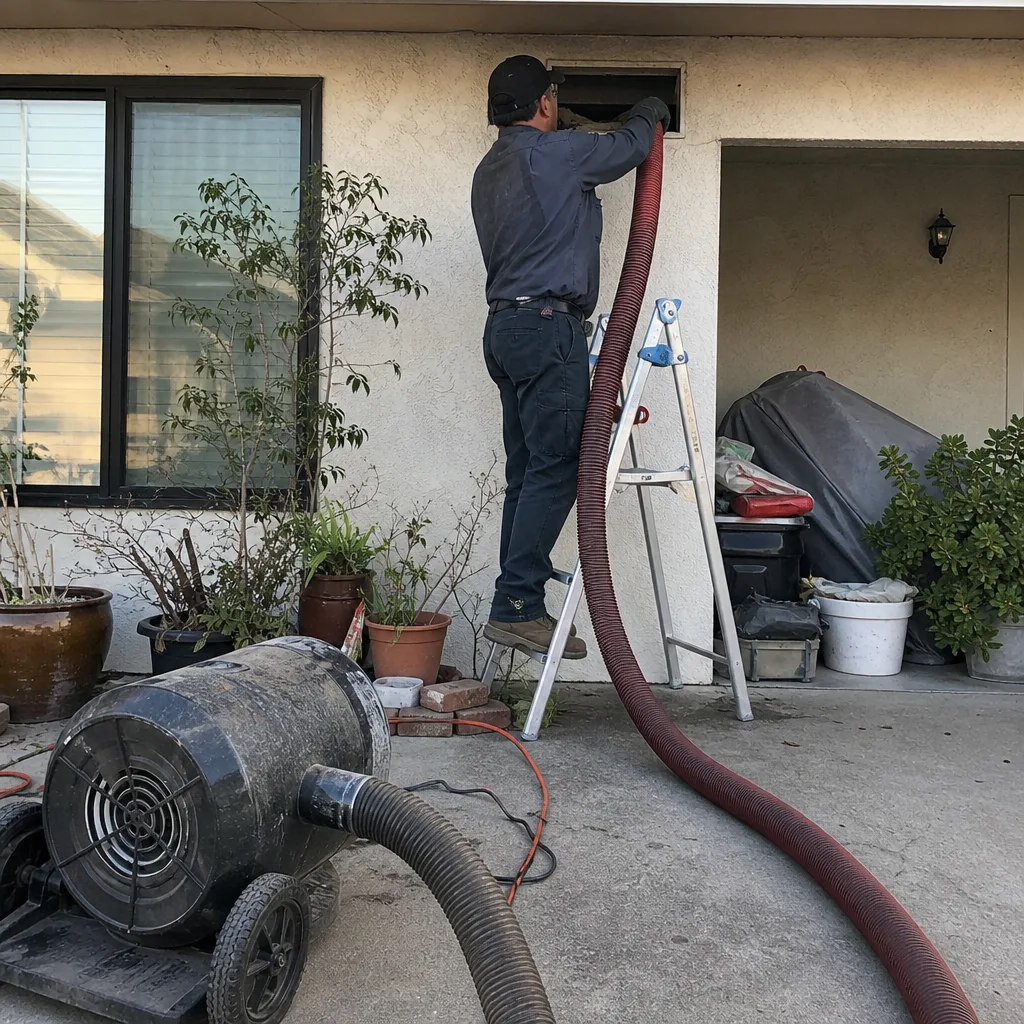
- Dryer vent cleaning. A dedicated safety inspection and clean of the dryer vent, which is one of the leading causes of residential house fires when lint builds up inside the run.
- HVAC cleaning. Cleaning of the coil, blower, and air handler components where airflow actually gets conditioned.
- Duct repair and sealing. Sealing leaks and joints so cleaned air stays where it’s supposed to and the system holds pressure.
- Air quality and sanitizing. Targeted treatment of surfaces where growth was found, plus filter and air quality component assessment with Honeywell and Aprilaire systems in mind.
If you’ve noticed the dryer taking longer to dry a load, or the lint screen producing less lint than it used to, our dryer vent cleaning service exists for exactly that. It’s a safety service, not a maintenance upsell. Homeowners in Garden Grove with a vent run that goes through the attic or roof line particularly benefit from having that path checked and cleaned.
Living With Santa Ana Dust Cycles
When Santa Ana winds push through the region, Garden Grove homes take on fine particulate that doesn’t all leave when the wind stops. Some of it settles into the return side of the system, and once it’s inside the ductwork it stays there until it’s physically removed. A well-sealed system with a properly sized filter slows that accumulation. An older system with open joints and a poorly fitted filter pulls it in faster.
What this means in practice: after a strong dust cycle, don’t assume the system “self-cleared.” Return-side dust stays put, and the next cooling cycle distributes a fraction of it through every register. Homes in Garden Grove that keep windows open during wind events take on more than those that don’t, and systems with a leaky return duct can inhale outdoor air directly.
How we think about it:
- Dust accumulation is a normal cycle, not a crisis. What matters is how much of it stays in the ductwork.
- Filter fit and seal condition determine how much outdoor particulate bypasses the filter.
- Sealed joints and a matched air-handler compartment reduce what gets pulled in during wind events.
- A cleaning cycle’s timing should follow those conditions, not a fixed marketing schedule.
Common Mistakes to Avoid
- Choosing a quote by price alone. A lower quote in Garden Grove often reflects a surface pass instead of source removal. Ask what the scope covers before you compare numbers.
- Skipping the coil and filter assessment. Cleaning ducts while leaving a fouled coil and a mismatched filter in place means the system refills within months.
- Assuming a “before and after” photo is enough. A register photo doesn’t prove the plenum and trunk lines were cleaned. Ask for documentation of the access points and interior runs.
- Ignoring the dryer vent. In pre-1980 homes, the vent path often runs through an attic or long run, and lint buildup in that configuration is a real safety concern. Treat it as a separate inspection.
- Letting a technician run equipment without an inspection first. Especially in Garden Grove’s older stock, materials should be checked before cleaning. If a company skips that step, stop the work.
- Mistaking a fragrance spray for a clean. A pleasing scent is not documentation. If the job ends with a smell and no photos, the work is unverified.
- Assuming a new HVAC system means clean ducts. Retrofits often leave the original ductwork in place. The new equipment moves more air through older duct contamination, so it’s worth checking what’s underneath.
When to Call a Professional
Not every home needs duct cleaning on a schedule. The right time to call is when conditions point to contamination you can’t see. That includes visible dust blowing from registers when the system starts, a musty smell that appears only when the air handler runs, persistent allergy symptoms that worsen indoors, or a noticeable drop in airflow that a fresh filter won’t fix. It also includes homes that have never had a documented cleaning, homes with recent remodeling dust, and any home where the dryer vent has never been inspected.
If your Garden Grove home is pre-1980 and you’ve never had the system inspected, that alone is worth a conversation before any equipment gets hooked up. We’d rather look and tell you what we find than sell a clean your system doesn’t need.
Air Duct Cleaning Garden Grove Pros offers free estimates in Garden Grove. Call (877) 792-6315. We answer 24/7. Fast dispatch from 7am to 7pm, Sunday through Friday.
Frequently Asked Questions
Air duct cleaning in Garden Grove is priced per system by written estimate, not per vent, because the scope depends on the duct layout, the age of the system, and what the inspection finds. A pre-1980 home with tight routing and multiple access points takes longer to clean properly than a modern install, and a job that includes coil and dryer vent work carries a different scope than a duct-only clean. The written estimate sets the final price, and we don’t add per-vent charges after the fact. Call (877) 792-6315 for an exact quote. Estimates are free.
Cheaper quotes usually cover a surface pass rather than full source removal. A blowout with a shop vacuum and no plenum or coil access costs the provider far less time and equipment than a real clean using Rotobrush or Nikro systems under controlled negative pressure. The price difference reflects the scope, and it’s worth asking exactly which parts of the system the quote covers before comparing totals. Call (877) 792-6315 to talk through what a full-system clean on your home would involve.
You know the work was done when you have before-and-after photos of your own system, not a stock image, and when the technician can show the access points they opened and the plenum and trunk line interiors they cleaned. A real source-removal job leaves documentation. If a company can’t produce photos of your ducts, treat the job as unverified. Call (877) 792-6315 to schedule a clean and see the scope before work starts.
There’s no universal schedule that fits every Garden Grove home, because the timing depends on system condition, filter maintenance, and local dust cycles rather than a calendar. Homes with open joints, mismatched filters, or a history of no cleaning tend to need it sooner, and homes with a properly sealed, well-filtered system can go longer. An inspection tells you where your system actually sits. Call (877) 792-6315 for an assessment rather than guessing at a schedule.
Yes, when the technician inspects the duct material and condition before running equipment. Older flex duct can degrade internally, so the correct sequence is inspection first, then cleaning scoped to what the materials can handle. Any duct liner or insulation condition that raises a question should be documented and discussed before work proceeds. We’d rather pause and explain than damage a duct. Call (877) 792-6315 to have your system checked.
If your dryer vent has never been cleaned, or your dryer takes longer to dry a load than it used to, it’s worth a dedicated inspection. Dryer vent lint buildup is one of the leading causes of residential house fires, and in Garden Grove homes where the vent run passes through an attic or roofline, that path deserves a look. It’s a safety service we offer on its own or alongside a duct job. Call (877) 792-6315 to schedule one.
The Bottom Line
Duct cleaning in Garden Grove works best when it’s treated as a diagnostic process rather than a commodity. The pre-1980 housing stock, the humidity-driven biofilm patterns, and the Santa Ana dust cycles all mean the right scope depends on your specific system, not a generic package. A proper job inspects first, documents the plenums, coil housing, and blower compartment, cleans with professional-grade equipment, and finishes with filter and coil recommendations that keep the system from refilling. If a company can’t show you what they found and what they cleaned, the work isn’t verified. Start with an inspection, then decide.
Call (877) 792-6315 for a free estimate. We answer 24/7. Fast dispatch from 7am to 7pm, Sunday through Friday.
Written by the team at Air Duct Cleaning Garden Grove Pros.
See the difference
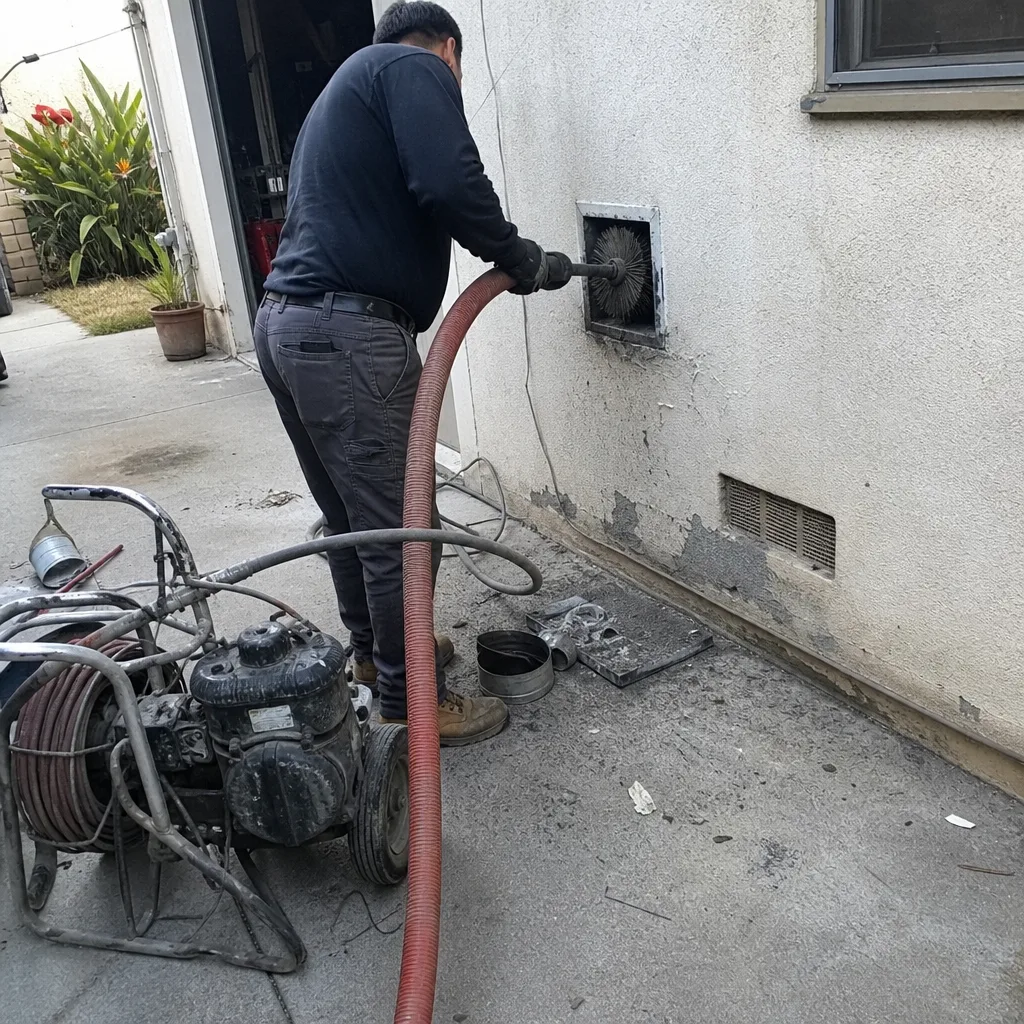 Before
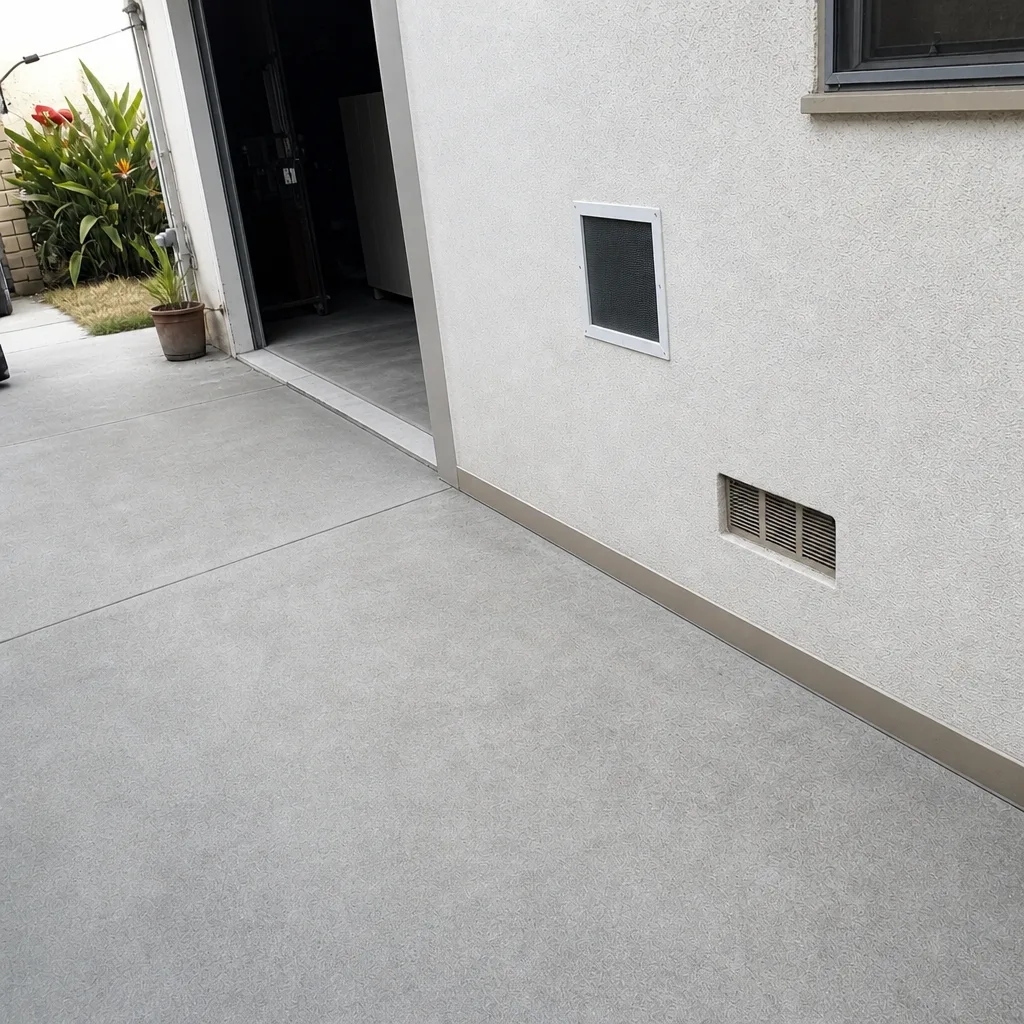 After
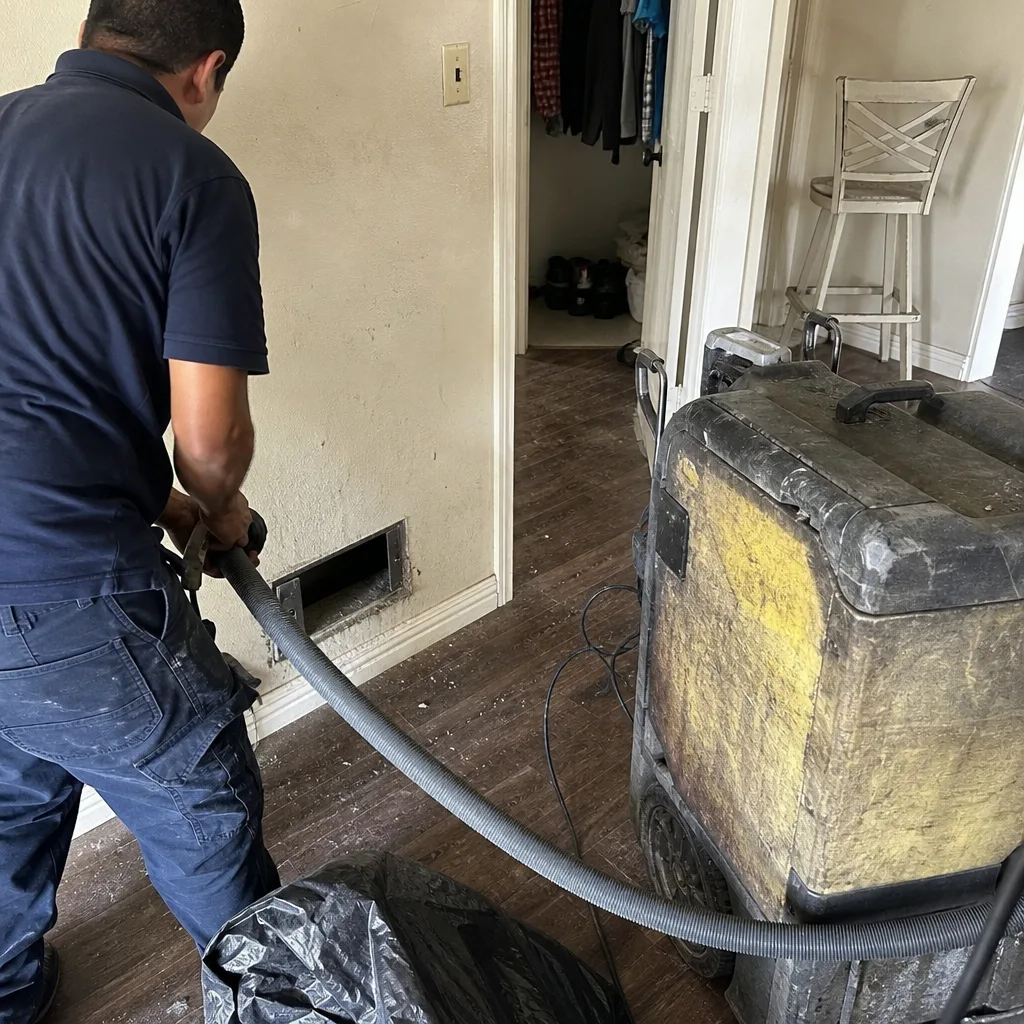 Before
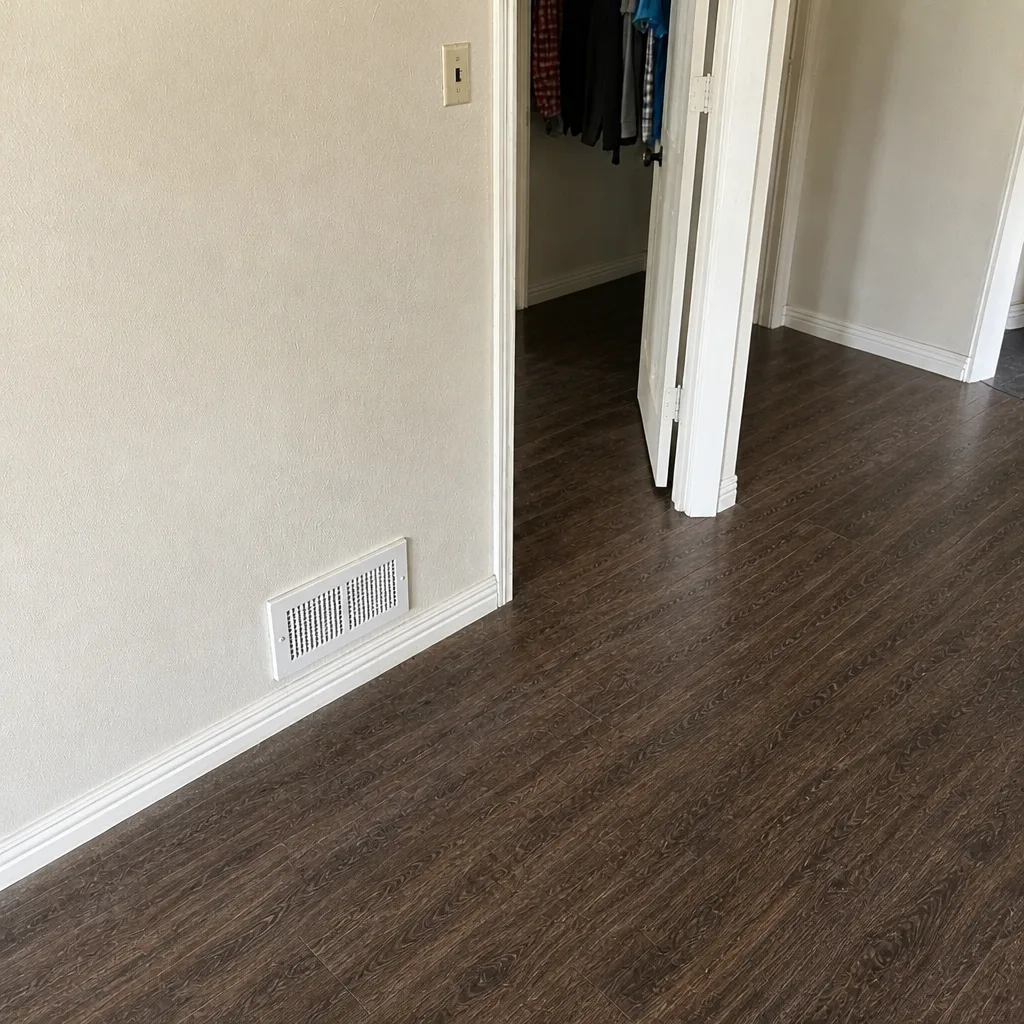 After
 Before
 After