
Last updated November 24, 2026
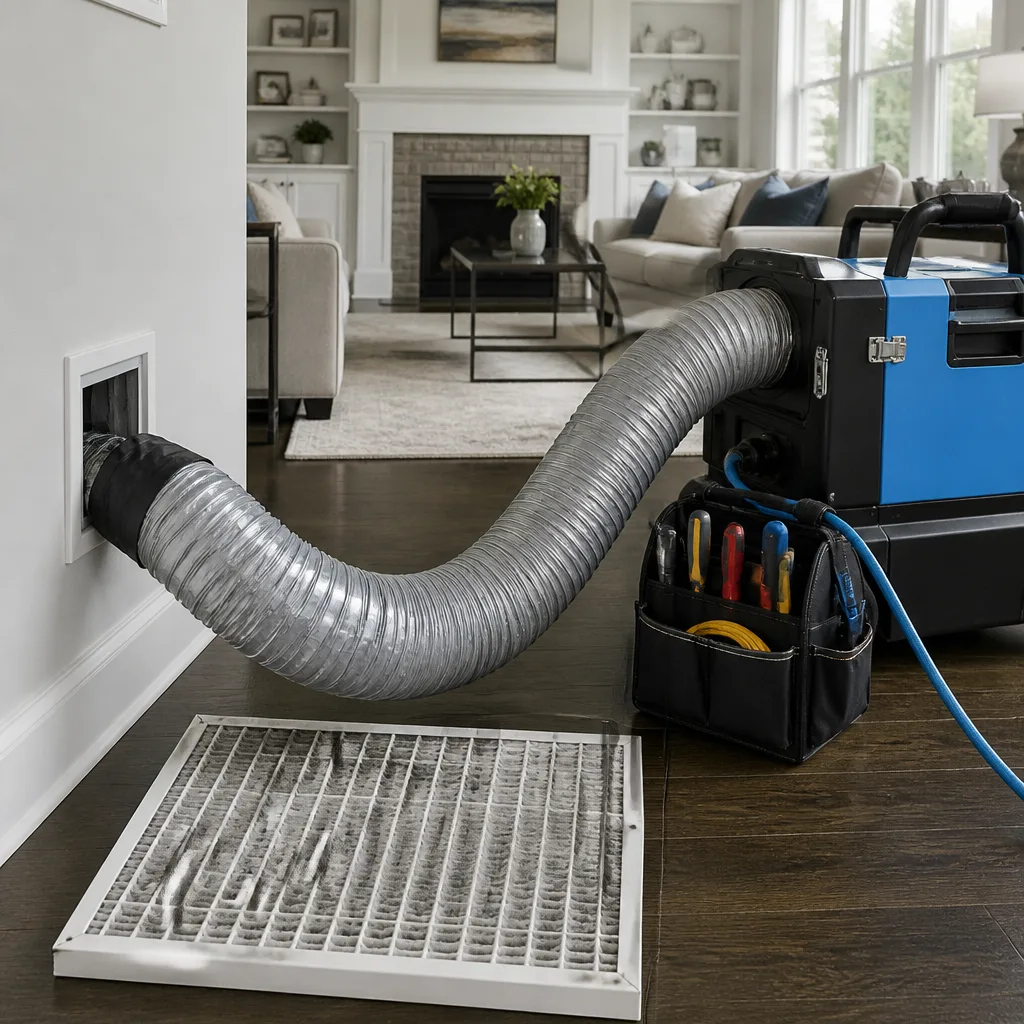 Whole-home duct cleaning
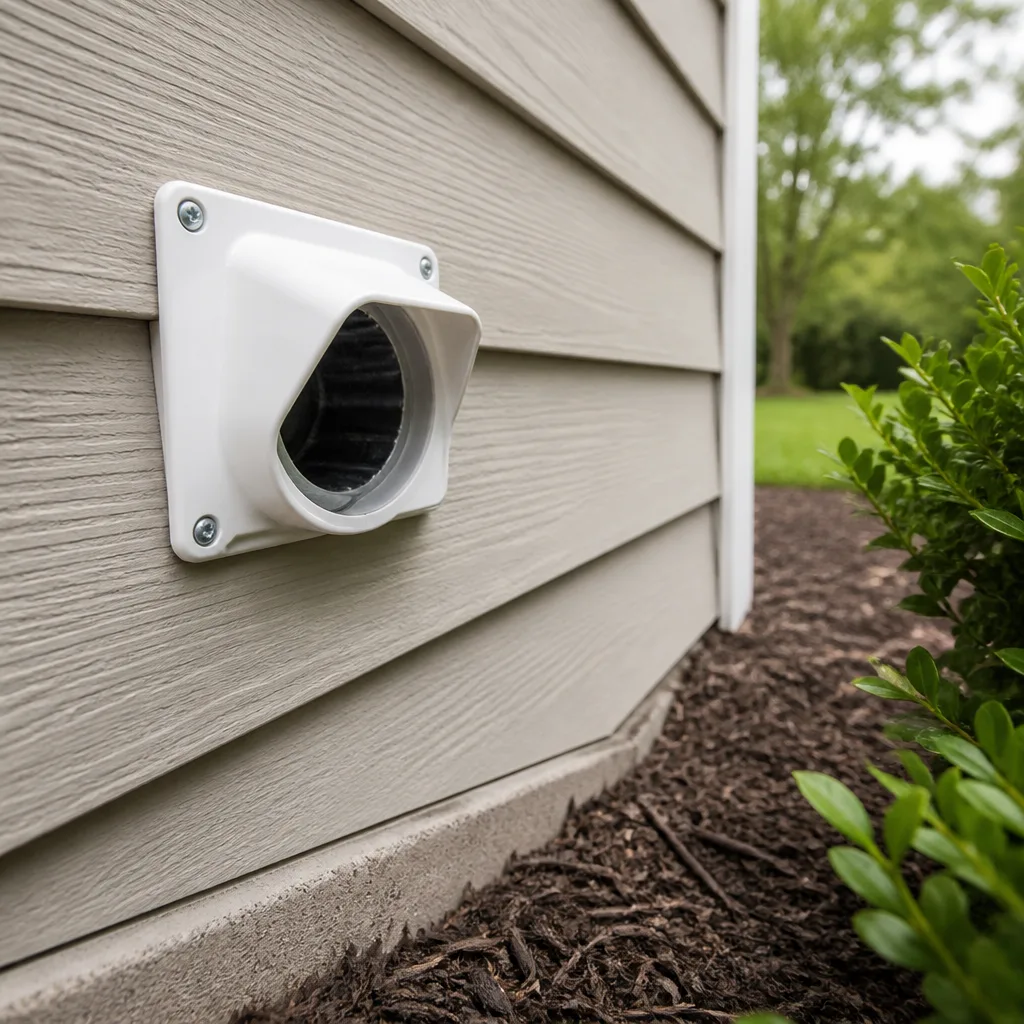 Dryer vent cleaning
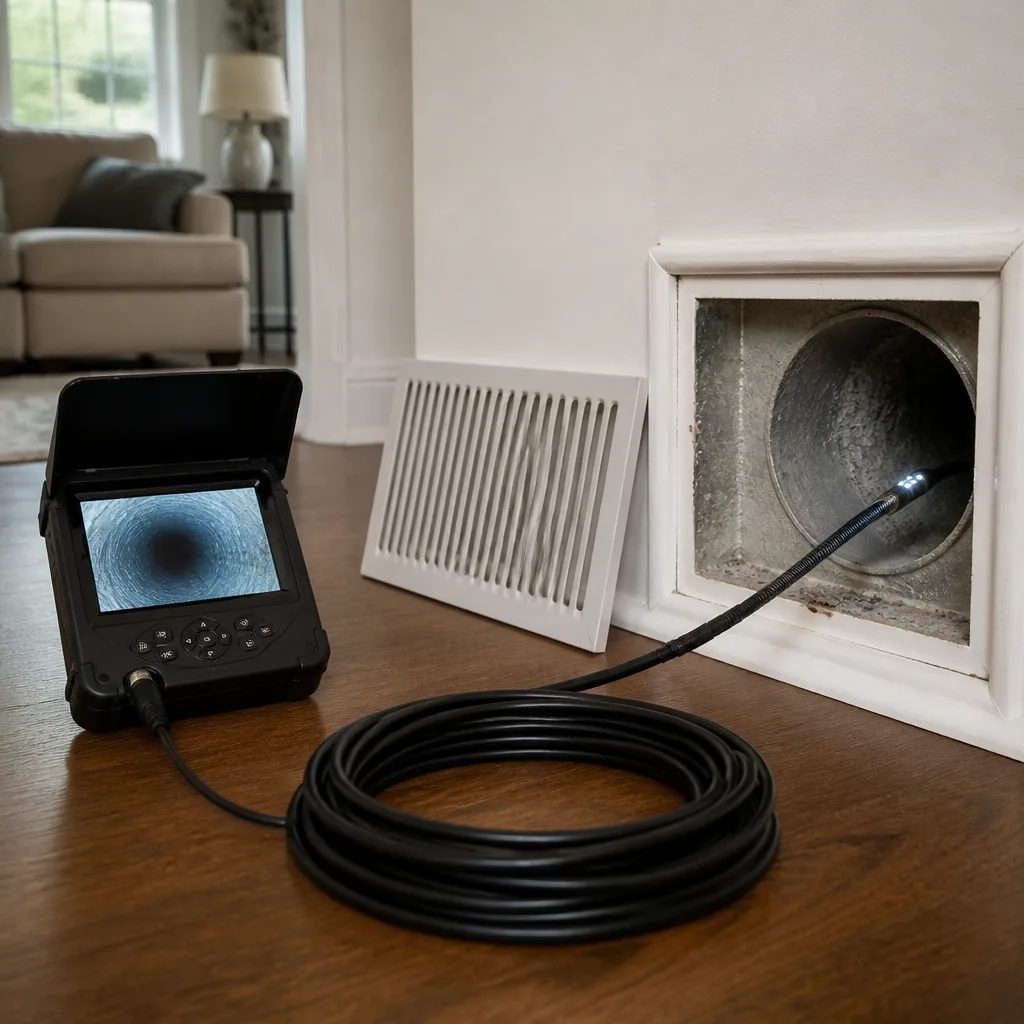 Camera inspection
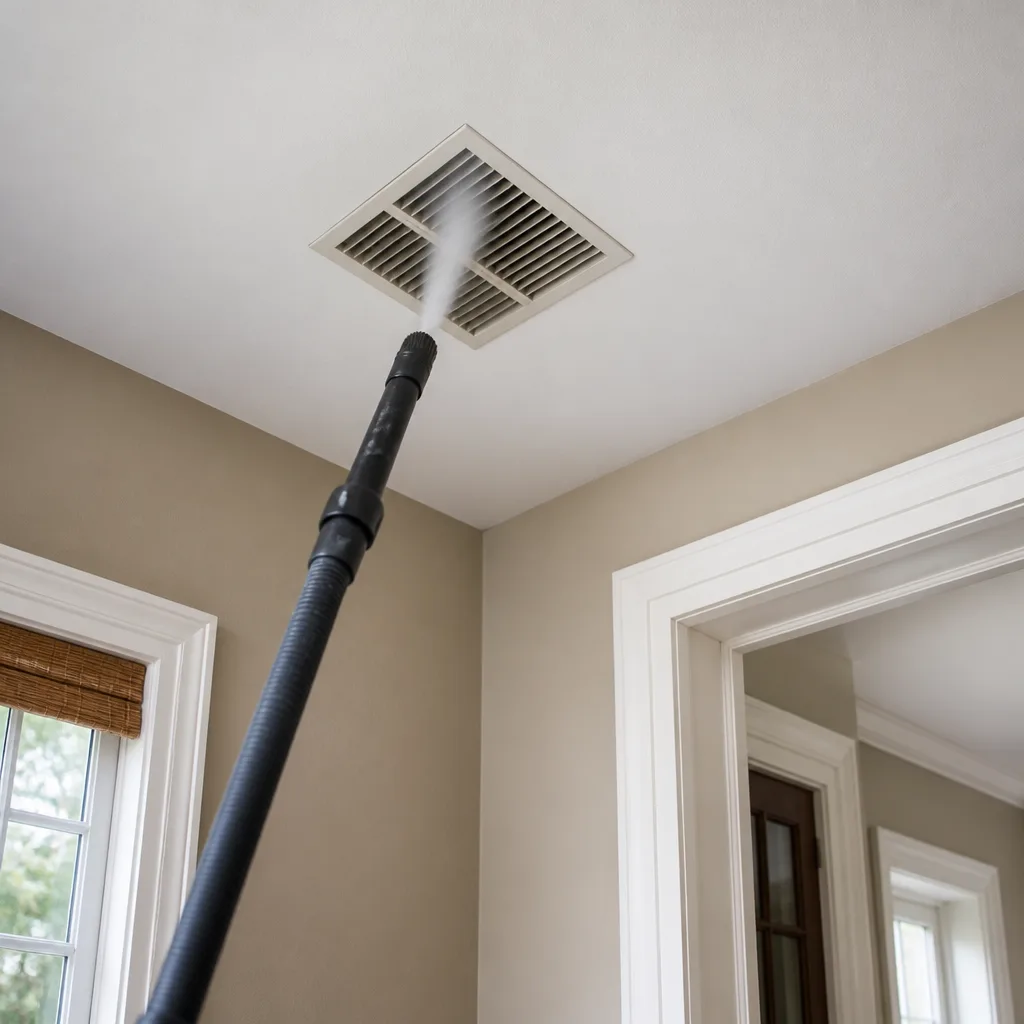 Sanitizing & deodorizing
Whole-system duct and dryer vent check with before-and-after photos - you see exactly what came out of your vents
That "$99 whole-house special" is a bait ad - the real number appears once they are in your hallway, or the "clean" is a shop-vac at the register. We photograph the inside of your ducts before and after instead.
Air Duct Cleaning Maintenance Schedule: What to Do and When
The “every three to five years” rule gets repeated as if it came down from the mountain, but it was never meant to be a universal prescription. It’s a baseline for a home with no complicating factors, and most Garden Grove homes have at least two. A house with three shedding dogs, a MERV-8 filter and a kitchen remodel in progress will load its ducts many times faster than a two-person household with a MERV-13 filter and no pets. What follows is a maintenance calendar built around your home’s actual risk factors rather than a number pulled from a brochure. We’ll cover a risk-factor matrix, the tasks you can do yourself versus the ones that need professional equipment, a simple airflow baseline test, and the Garden Grove seasonal triggers that should override any fixed schedule.
Quick Answer
A single professional cleaning every 3 to 5 years is the baseline for a low-risk Garden Grove home with no pets, no recent renovation and a quality filter kept clean. Homes with pets, multiple occupants, low-grade filters or recent construction should shorten that to roughly every 2 to 3 years, and a post-renovation cleaning should be treated as its own separate event rather than folded into routine maintenance. Inspect at least once a year and let what you find, not the calendar, set the actual date.
Styles & brands we work with
- Whole-home duct cleaning
- Dryer vent cleaning
- Camera inspection
- Sanitizing & deodorizing
Table of Contents
- What the 3-to-5-Year Rule Actually Means
- The Risk-Factor Matrix: How Your Home Shifts the Interval
- Month-by-Month Maintenance Calendar: What You Can Do Yourself
- Post-Renovation Cleaning Is a Separate Category
- The Airflow Baseline Test: Measuring CFM at Your Registers
- Garden Grove Seasonal Triggers: Santa Ana Winds and the Marine Layer
- What Requires Professional Equipment and Why
- The DIY Versus Pro Decision in Plain Terms
What the 3-to-5-Year Rule Actually Means
The three-to-five-year guidance attributed to the EPA is a baseline, not a schedule with a due date stamped on it. It describes a home with no complicating factors: no pets, no smokers, no recent renovation, a filter changed on time, and stable occupancy. Take away any one of those and the baseline stops applying cleanly to your house.
The point of a baseline, in any engineering context, is that it gives you a reference point to adjust from. Air ducts are a containment system for everything that gets past the filter, and what gets past the filter depends on the filter’s efficiency, how often you change it, and what’s being introduced into the air in the first place. Garden Grove homes add their own variables. A home near a busy arterial picks up more street particulate than one tucked inside a quiet residential pocket. A home on the western side of the city sits in the marine layer longer, which affects how dust behaves on duct surfaces and how quickly a humid summer makes an unsealed joint worse.
So the rule isn’t wrong. It’s just incomplete. Use it as a starting line, then adjust upward or downward based on the risk factors below. If you’ve never had a duct inspection and you’re not sure where you fall, start with air duct cleaning in Garden Grove and ask the technician to walk you through what they find before any work is agreed.
Why the Baseline Doesn’t Include a Visual Inspection
Most sources quoting “every three to five years” are giving a cleaning interval, not an inspection interval. In practice the inspection should happen far more often. A visual inspection of accessible duct runs, plenum and handing can be done once a year without any equipment beyond a flashlight and a camera phone. That inspection is what tells you whether you’re on a three-year path or a five-year one.
The Risk-Factor Matrix: How Your Home Shifts the Interval
Four variables move the recommended interval the most: pet density, occupant count, filter grade and renovation history. Each one works independently, and they compound. Here’s how to read them against your own home.
Pet Density
Every indoor pet sheds dander and fine hair continuously, and both stay airborne long enough to reach the return grille. One dog or cat in a Garden Grove home with good filtration typically means trimming the interval to around 3 to 4 years. Two or more pets that shed, or long-haired breeds, brings it closer to 2 to 3 years. Cats that constantly groom themselves on soft furnishings are worse for the return side than the supply side, which is why pet households often notice the second bedroom or the hall return turning dustier first.
Occupant Count
More people means more skin cells, more clothing fibers, more cooking particulate and more filter loading. A single-occupant home in Garden Grove will often hold the top of the 3-to-5-year window; a family of five in the same floor plan should expect the duct load to justify inspection on the early end. Occupancy also drives kitchen usage, and cooking particulate is one of the highest contributors to greasy duct deposits that a consumer vacuum can’t remove.
Filter MERV Rating
Filter grade is the variable most often ignored. A MERV-8 filter captures coarser particulate and lets much more through to the duct interior. A MERV-13 filter captures far more but can also stress a system whose blower isn’t rated for the added static pressure. The best filter for most Garden Grove homes is the highest MERV the system was actually specified for, changed on schedule. A dirty MERV-13 is worse than a clean MERV-8, every time.
Renovation History
Any renovation that disturbs drywall, cabinetry or flooring pushes construction particulate into the return air stream if the HVAC isn’t isolated. That particulate is fine, adheres to duct walls and accumulates rapidly. A home that has had a kitchen remodel in the past 24 months should treat the duct system as newly loaded and inspect accordingly, regardless of where it falls on the calendar.
The Combined Effect
Use the matrix this way: start with the baseline, then shorten the interval for each risk factor that applies to you. Pet household plus two-occupant plus recently renovated plus a MERV-8 filter taken together means the answer is 2 years, not 5. No pets, no renovation and a well-matched MERV-13 filter taken together means the correct answer is 5 years with an annual visual inspection in between, not a cleaning performed three years early “just to be safe.”
Month-by-Month Maintenance Calendar: What You Can Do Yourself
A duct maintenance calendar is not all professional work. The majority of the tasks between cleanings you can do with a little discipline and a small amount of time each month. The key is knowing which tasks require equipment and which don’t.
What You Can Do Yourself
- Filter check, every month to six weeks. Hold the filter up to a light. If you can’t see through it, replace it. Write the date on the edge of the frame with a pencil so the next change is on record.
- Register wipe-down, quarterly. A dry microfiber cloth on the supply and return grilles removes the surface dust that makes a home feel dustier than it is. Do not spray cleaner into the grille; wipe the face only.
- Visual inspection, twice a year. Use a phone camera with the flash on, insert it into the nearest accessible duct run for a photo, and compare photos year over year. Any visible change in accumulation tells you to inspect the rest of the system.
- Cooking and bathroom exhaust checks, quarterly. Confirm that the kitchen range hood and each bathroom fan moves air. A tissue held at the grille should flutter. If it doesn’t, the fan is failing or the damper is stuck.
- Return grille vacuuming, monthly during high-use months. Run the vacuum brush attachment across the return face every time you change the filter. It takes a minute and removes what’s about to be pulled into the system.
- Dryer lint filter, every load. This is one of the highest-value habits on the list. The lint trap does not catch everything, and what escapes accumulates in the vent. Schedule a professional dryer vent cleaning inspection if it’s been a few years or if drying times have stretched.
- Outdoor unit clearance, spring and fall. Keep the outdoor condenser clear of leaves, debris and vegetation on all sides. The goal is unrestricted airflow around the unit.
What Requires Professional Equipment
- Interior cleaning of the branch and trunk duct runs.
- Containment and negative pressure work during cleaning.
- Cleaning of the plenum, blower wheel and evaporator coil.
- Duct joint sealing and any duct repair where the run is inaccessible.
- Sanitizing treatment if the inspection turns up microbial growth or persistent odor.
- Dryer vent cleaning where the vent run is long or inaccessible.
Reading the Calendar Seasonally
The Garden Grove climate means the furnace and the air conditioner both run seasonally, but not in the same pattern as the coasts to the north or the desert to the east. Winter is mild; summer is warm and humid under the marine layer. Filter changes should be more frequent in the months your system runs most, and an inspection should always follow a heavy smoke event, a renovation or a return from a long vacation when the system has sat idle.
Post-Renovation Cleaning Is a Separate Category
Construction dust is not the same as accumulated household dust, and cleaning it requires a different approach. If your home has just had a renovation – a bathroom, a kitchen, a floor replacement, a wall move – book the post-renovation cleaning as its own event, not as part of your routine cycle.
Why Construction Dust Behaves Differently
Drywall dust is fine, abrasive and chemically different from household dust. It hangs in the air for hours, tends to settle on duct walls more evenly than cooking particulate, and can abrade blower wheels and coil surfaces when the system runs repeatedly during a project. Silica-based drywall dust in particular gets into the return and stays there until it’s extracted, and it does not degrade or blow out over time the way ordinary dust eventually does.
The Correct Post-Renovation Sequence
- Finish all dusty work, including final sanding and any drywall repair.
- Have the HVAC system inspected for dust intrusion at the return and at the air handler.
- Clean the return and supply duct runs and the plenum with professional equipment.
- Clean the blower wheel, the coil and the interior cabinet.
- Replace the filter with a fresh one after cleaning, not before.
- Seal any duct joints that were opened or disturbed during the project.
Compounding Renovations
If you’re already planning more work within the next year – a second bathroom, a kitchen extension, a floor replacement – consider consolidating. Cleaning after the last project rather than after each one avoids paying for the same work twice, and it keeps the extraction equipment from pulling fresh dust out only to have it introduced again a few months later.
The right extraction for construction dust is different from the right extraction for routine maintenance. Professional systems used by contractors for restoration and post-construction cleanup use high-efficiency filtration and containment, not the shop vacuums homeowners typically rent. Air Duct Cleaning Garden Grove Pros uses Abatement Technologies equipment for contaminant and particulate control, which is the appropriate setup when the load is heavy and silica-based rather than routine household dust.
The Airflow Baseline Test: Measuring CFM at Your Registers
The most useful maintenance tool in your home isn’t a mop or a vacuum. It’s a baseline reading of how much air your system actually moves. Measure it once when the ducts are clean, and you’ll have a reference point that tells you when accumulation has begun to restrict flow. This is how you replace guesswork with data.
What CFM Measures and Why It Matters
CFM stands for cubic feet per minute – the volume of air the system moves through a given point in a given time. A register reading is an indirect measurement of how freely air is moving through the ducts behind it. When duct interior surfaces accumulate, the flow at that register drops. You don’t need lab-grade equipment to see the trend; you need a cheap handheld anemometer (a meter that reads feet per minute at the grille face) and a way to convert the reading using the register’s open area.
How to Take a Baseline Reading
- Order an inexpensive handheld anemometer, or the phone-attached variety that pairs to an app.
- Confirm the system is running in cooling or heating mode as it normally would, with all registers open and all interior doors in their usual position.
- At each supply register, place the anemometer face square to the opening and take three readings at slightly different points across the grille.
- Record the readings on a simple sheet, along with the filter condition and date.
- At the return grille, repeat the same process.
- Multiply the average feet-per-minute reading by the register’s open area in square feet to approximate CFM.
- Store the sheet digitally so next year’s readings can be compared side by side.
Reading the Trend
A drop of about ten percent or more between readings taken at the same time of year, with the same filter grade and the same register positions, is a reasonable trigger to inspect. A single register that has dropped while the others haven’t usually points to a branch-specific issue, such as a dislodged duct, a kink in flex duct or a damper that moved. A system-wide drop is more often a filter, blower or duct-wide accumulation issue. Either way, the measurement tells you where to look.
Garden Grove Seasonal Triggers: Santa Ana Winds and the Marine Layer
Fixed intervals need overriding checkpoints, and Garden Grove has two weather patterns that should put a duct inspection on your calendar outside any schedule.
Santa Ana Wind Events
When Santa Ana winds sweep across Orange County, the air carries much higher concentrations of coarse particulate – soil, dried vegetation, ash and urban dust – and pressurizes the building envelope in ways that push that particulate through every available gap. Even with windows closed, outdoor particulate reaches the return through the envelope and around the filter frame. After a significant Santa Ana event, check the filter within a week. If the filter has loaded up dramatically faster than usual, that’s the pattern to expect for the next event too. A post-event inspection should be a standing item for homes near any of the major Garden Grove arterials or open land.
Marine Layer Humidity Months
The Garden Grove marine layer brings high humidity through much of the summer and early fall, and that humidity changes how dust behaves inside ductwork. Dust that would otherwise stay loose and light adheres more readily in humid conditions; and any duct joint, seal or connection that has started to fail will fail faster with elevated moisture. If your ducts have older foil-tape joints or disconnected flex runs, the humid season is when you’ll start noticing musty odors at the first supply in the morning or a supply that feels weak compared to the rest. Book an inspection and sealing review before those symptoms become a habit.
The Annual Checkpoint Model
Regardless of your baseline interval, build in at least two inspection checkpoints each year. One in early summer, ahead of the heavy cooling season, and one in early fall, before the Santa Ana season. Each checkpoint should include: a filter change if due, a visual inspection of the accessible plenum and the nearest supply run, a quick CFM reading at the weakest register, and a walkthrough of the home looking for the small warning signs – whistling registers, dust puffing out at startup, a musty odor that wasn’t there last year.
What Requires Professional Equipment and Why
There’s a real difference between the equipment that shops rent at the hardware store and the equipment that actually cleans a duct system thoroughly. That difference matters most in three situations: pet-heavy homes, post-renovation cleaning and any home with a health concern like allergies or asthma.
Contact Cleaning and Containment
The correct cleaning method for a duct system is contact cleaning with negative pressure – meaning the equipment physically disturbs the accumulated material on the duct walls while the collection system holds that material under vacuum in a HEPA-filtered containment. Consumer vacuums and rented equipment don’t do this: they move surface material, but the adhesive layer bonded to the duct wall stays in place. Professional systems such as Rotobrush and Nikro are built for this, and they’re the same systems used by commercial contractors and restoration specialists.
The Full-System Approach
A duct system is only as clean as its weakest component, and that component is usually not the duct itself. The blower wheel, the evaporator coil, the plenum and the air handler cabinet all accumulate contamination and all feed back into the supply air. Cleaning the ducts without cleaning the coil and blower leaves the main load in place. Air Duct Cleaning Garden Grove Pros approaches every cleaning as a full-system job – duct cleaning, HVAC cleaning, duct repair and sealing, air quality sanitizing, plus dryer vent safety – so that no part of the system is left holding the previous load.
Components and Filtration
Modern air quality systems add another layer of complexity that most cleaners don’t service. Homes with premium media cabinets, electronic air cleaners or humidifiers from Honeywell or Aprilaire need a technician who understands how those components fit into the overall cleaning and maintenance picture – not someone who will bypass the media cabinet or drain the humidifier carelessly. When we clean a system that includes those components, we treat the cleaning and the component maintenance as one job rather than two.
The DIY Versus Pro Decision in Plain Terms
You’ll see a lot of “how to clean your own ducts” content online, and some of it is genuinely dangerous. Consumer-grade approaches – vacuum attachments down the register, leaf blowers into the supply, compressed air shots into the return – can dislodge contamination without captur ing it. That means it travels across your home’s interior rather than out of it. They can also damage flexible duct runs, dislodge tape joints and push drywall dust deeper.
Where DIY Is Safe and Useful
- Filter changes
- Register and grille face wiping
- Return grille vacuuming with the brush attachment
- Outdoor unit clearance
- Dryer lint trap habit
- CFM reading and record-keeping
- Taking photos of accessible duct runs
Where a Professional Is the Only Sensible Answer
- Anything that involves entering or opening the duct system
- Containment and HEPA-filtered extraction
- Blower wheel and coil cleaning
- Duct joint sealing, repair or re-connection
- Sanitizing treatment after microbial growth
- Dryer vent cleaning on long or inaccessible runs
The Safety Caution on Dryer Vents and Coils
Dryer vents are a special case because they’re a genuine fire risk. Lint accumulates on the inside of the vent run over time, and a vent that has built up enough lint will trap heat and eventually ignite. That risk is not a maintenance inconvenience; it’s a safety concern. Cleaning a vent properly requires reaching the full length of the run with equipment that pulls the lint out rather than pushing it further, which is why we treat dryer vent cleaning as a dedicated safety service rather than a maintenance afterthought.
Air quality sanitizing and duct surface treatments involve components – including Guardsman-grade protective treatments available as part of our sanitizing scope – that are selected for the specific issue found during inspection. Using the wrong product on the wrong substrate can void manufacturer warranties on duct components and add odor to the supply air. That’s a professional-only decision.
Common Mistakes to Avoid
- Treating the 3-to-5-year figure as an instruction rather than a baseline. Garden Grove has homes with three dogs and a MERV-8 filter that should be cleaned every two years, and homes that can go five. Applying one number to both is a waste on one side and a delay on the other.
- Cleaning post-renovation dust with routine maintenance expectations. Drywall dust adheres differently and needs to be extracted, not just swept. Booking the routine clean before the renovation is finished means it will need to be redone.
- Upgrading to a MERV-13 filter on a system rated for MERV-8. A denser filter can raise static pressure past the blower’s rated capacity, which reduces airflow and makes the whole system run less efficiently. Match the filter to the system, and change it on schedule.
- Ignoring the CFM trend line. Most homeowners only notice duct accumulation when a room stops heating or cooling properly, which is long after the accumulation began. Two readings a year, tracked on a sheet, show the problem while it’s still cheap to solve.
- Waiting for an odor before treating duct issues as a health concern. Odors mean microbial or moisture issues have been established long enough to produce a smell. The contaminants causing respiratory irritation are not always the ones that produce an odor.
- Skipping the dryer vent because it’s “not part of the HVAC system.” It isn’t, but it’s still an appliance duct with a fire risk attached and an inspection interval of its own. Most home fires that originate in the laundry area involve a vent that hasn’t been inspected recently.
- Booking duct cleaning without confirming the technician will also inspect the coil and blower. Cleaning the ducts while leaving the coil and blower untouched leaves the primary contamination load in the system. Ask before booking whether the price covers the full system or only the duct runs.
See the difference
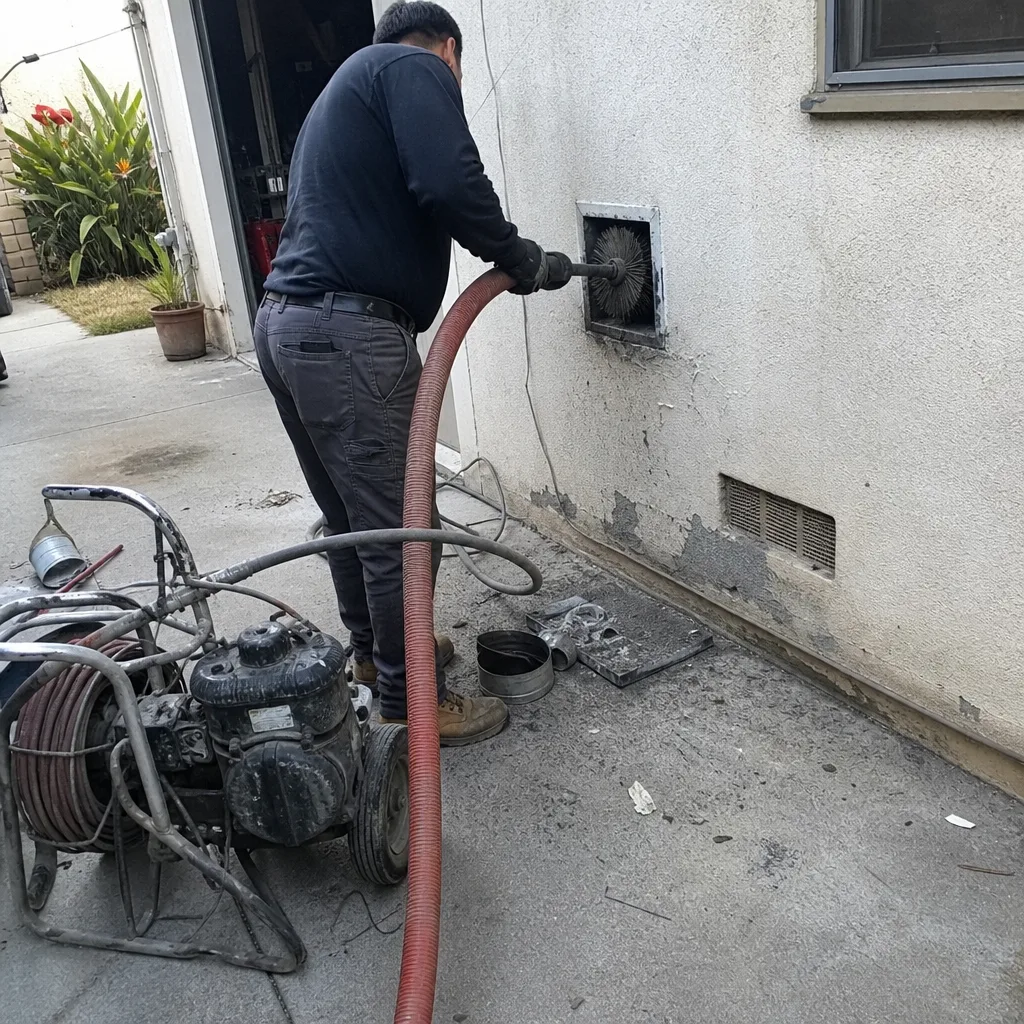 Before
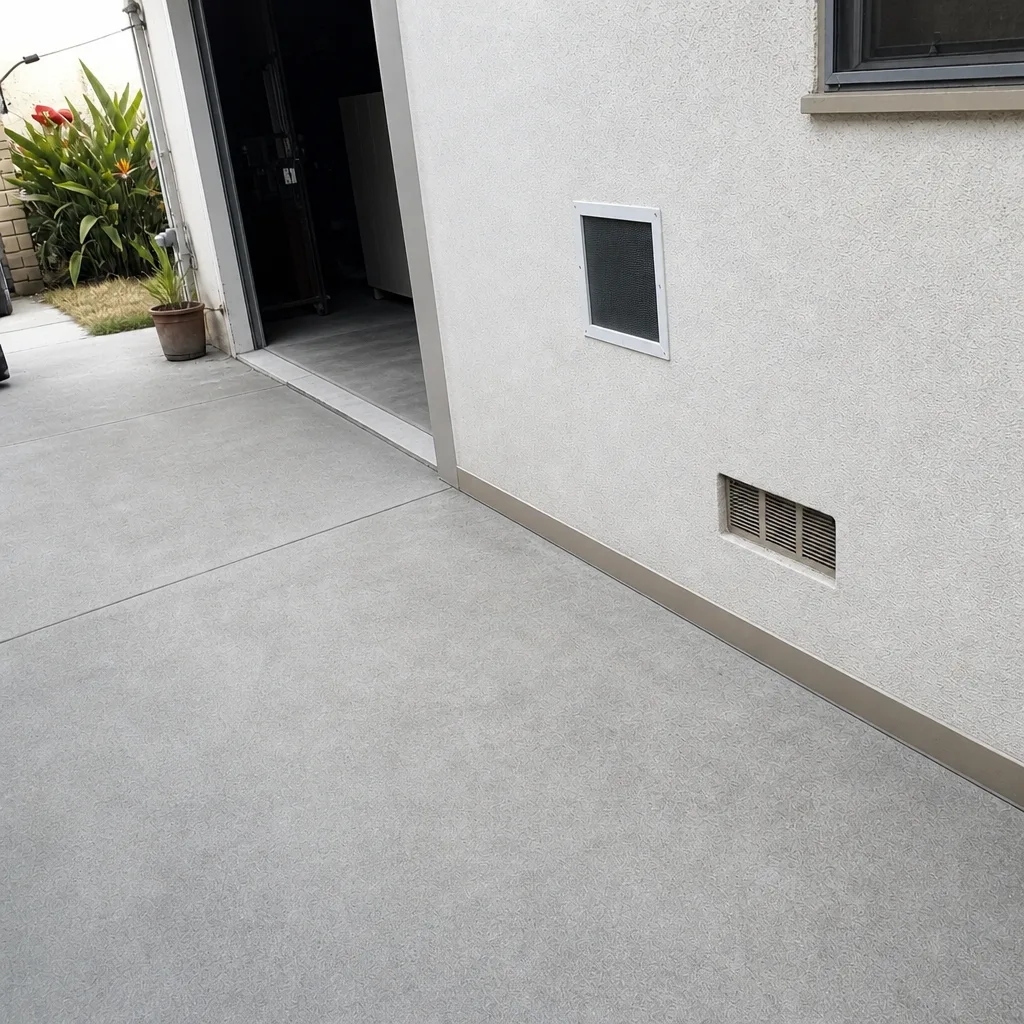 After
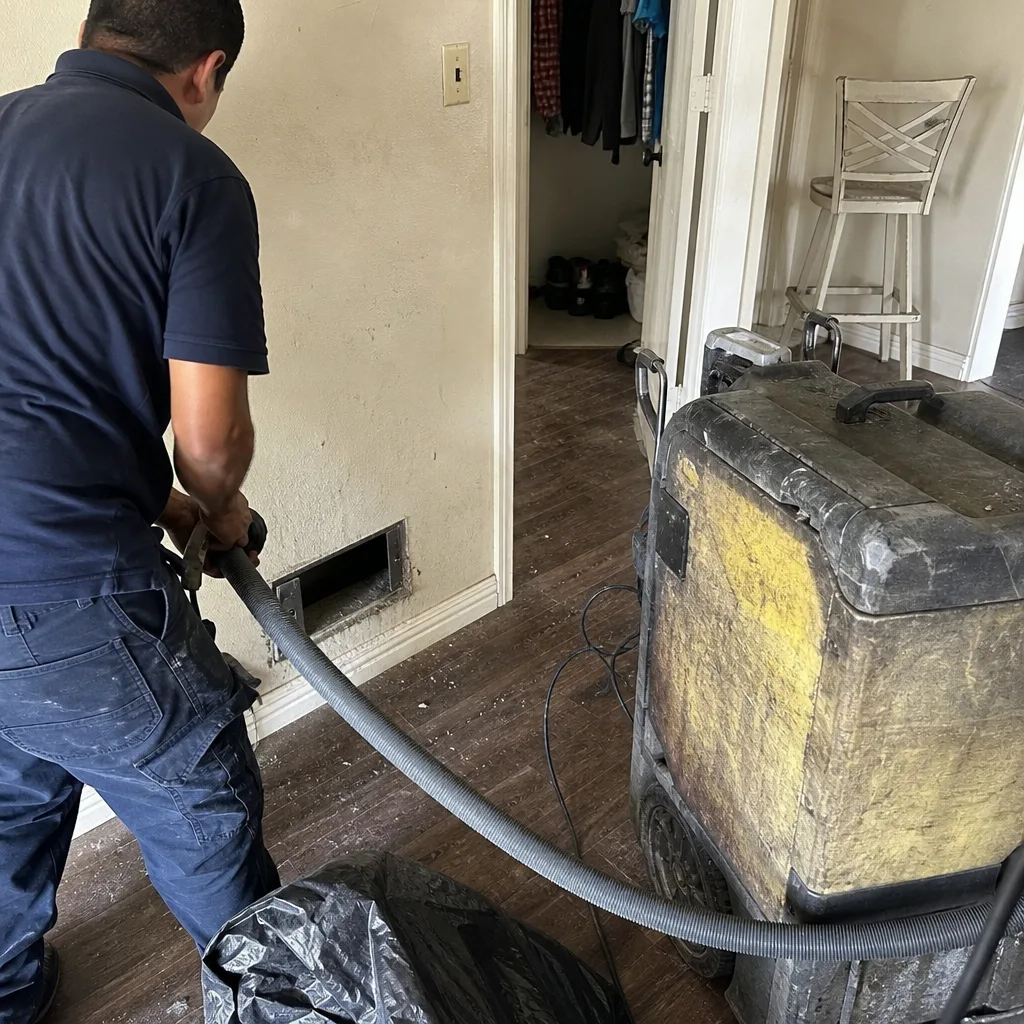 Before
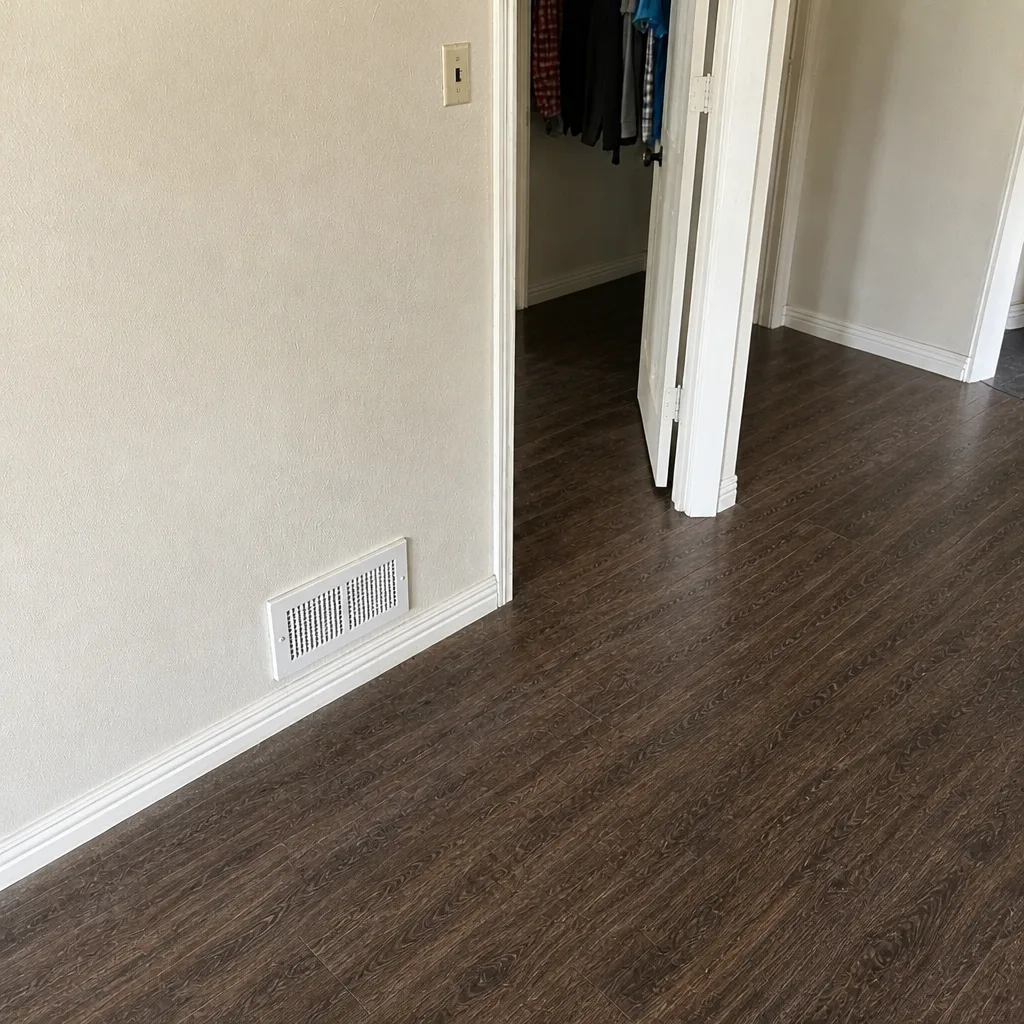 After
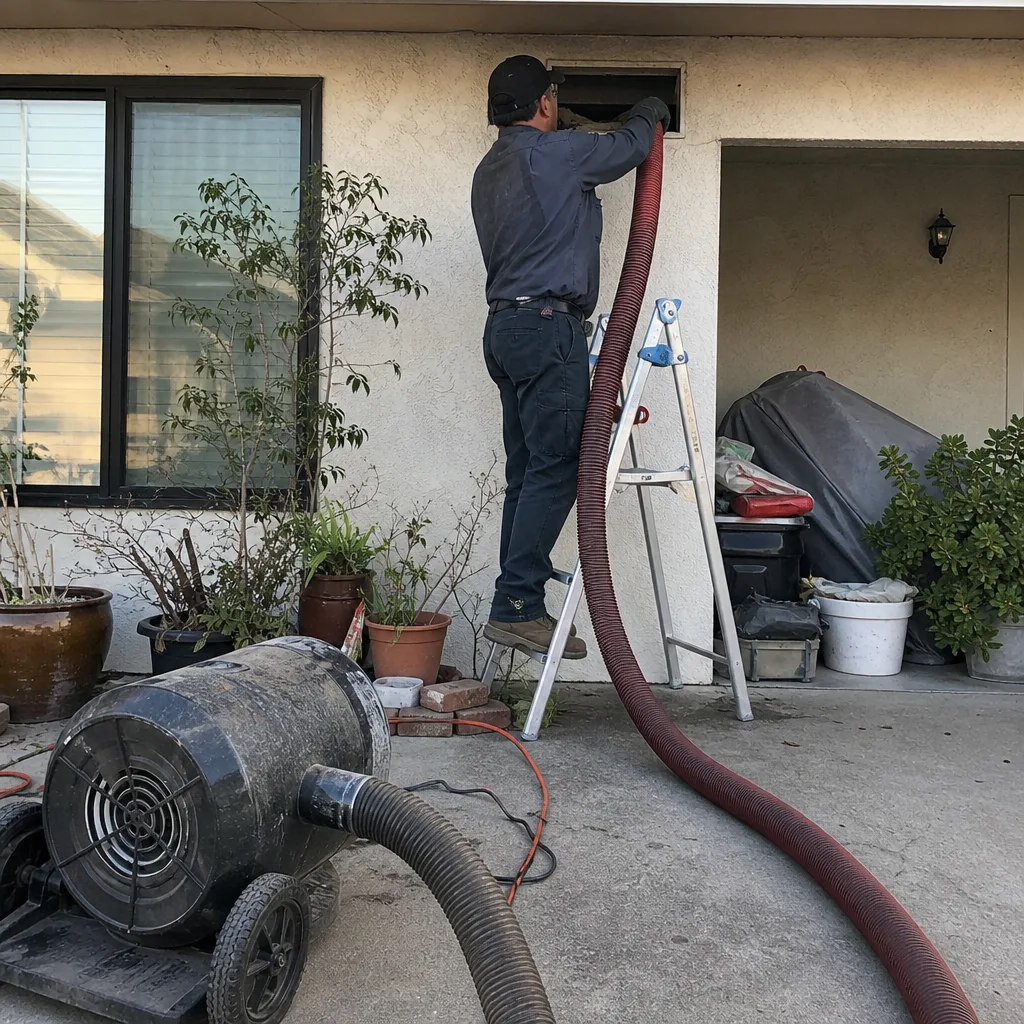 Before
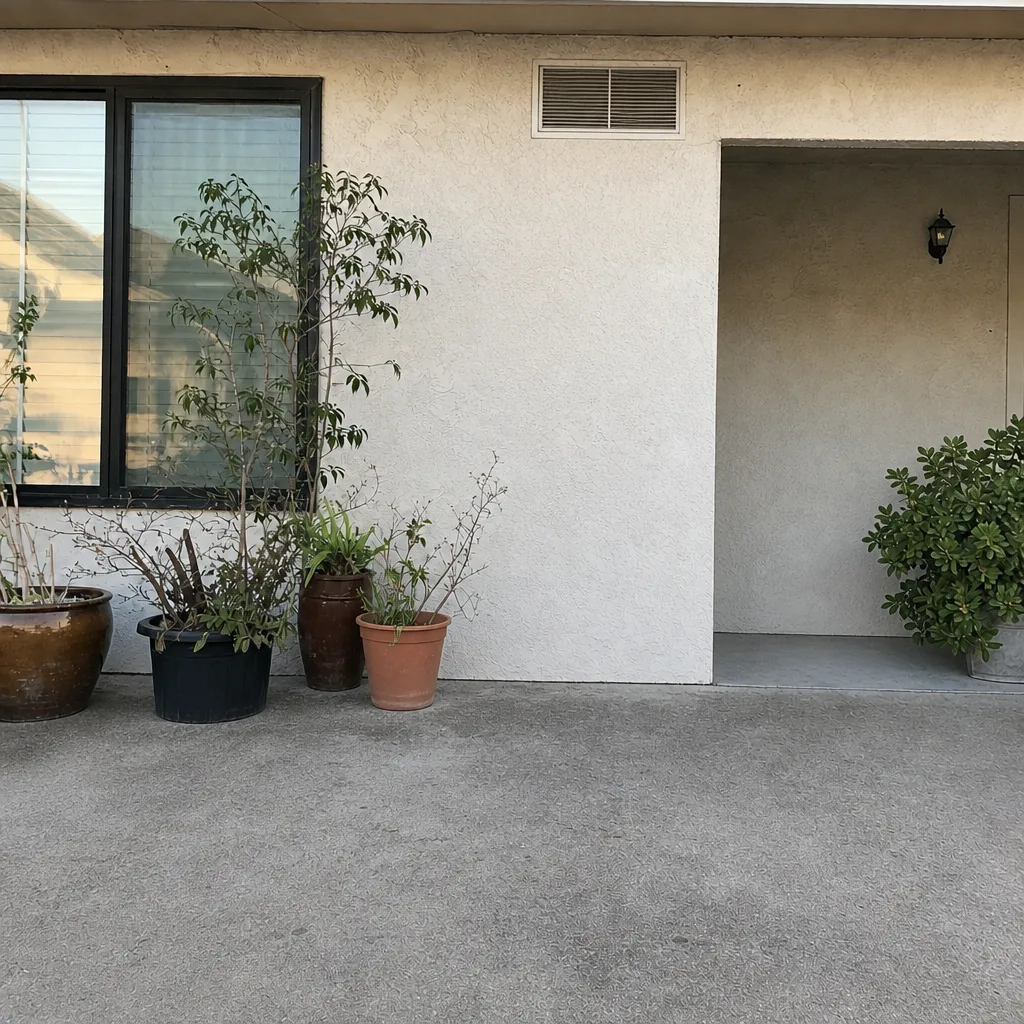 After
When to Call a Professional
Call a professional after any major renovation, any significant Santa Ana wind event that loaded your filters early, or any time you see a CFM trend drop at one register while the others hold steady. Call when you notice dust puffing from the supply registers at system startup, a musty smell at the first register in the morning, visible dust build-up on the grille, or a supply that feels weak compared to the rest of the house. Call if it’s been more than a few years since your last cleaning and your home has any of the risk factors in the matrix above. Call if your dryer is taking longer to dry and the lint trap isn’t the reason. Air Duct Cleaning Garden Grove Pros offers free estimates in Garden Grove – call (877) 792-6315. We answer 24/7. Fast dispatch from 7am to 7pm, Sunday through Friday.
Frequently Asked Questions
Every 2 to 5 years, depending on your home’s risk factors. The three-to-five-year baseline assumes no pets, no recent renovation and a clean filter in a household with stable occupancy; any one of those removes brings the interval closer to two years. Homes with pets, multiple occupants, or recent construction should plan on the shorter end, and every home should get a visual inspection once a year in between professional cleanings.
Yes, and separately from your routine maintenance schedule. Drywall dust is finer and more abrasive than household dust and adheres to duct interiors, where it stays until it’s extracted. Clean the full system after the final dusty work is finished, and replace the filter after the cleaning, not before. See Air Duct Cleaning Garden Grove Pros for how the post-renovation clean differs from a routine one.
Use the highest MERV rating your system is rated for, and no higher. Most residential systems are rated for MERV-8 to MERV-11; a MERV-13 filter on a system specified for MERV-8 can increase static pressure and reduce airflow. A clean, correctly rated filter changed on schedule outperforms an overspec filter that’s running loaded.
A simple CFM baseline at your registers. Take readings with an inexpensive handheld anemometer after a professional cleaning, and repeat them once or twice a year. A drop of roughly ten percent at the same registers under the same conditions is a trigger to inspect the system – and it tells you which branch or trunk is accumulating fastest.
No, it’s a separate appliance with its own risk profile and inspection interval. Lint accumulates inside the vent run and creates a fire risk that has nothing to do with your HVAC. Inspect annually, book a professional cleaning when drying times stretch or the vent run is long, and never rely on the lint trap alone to catch what escapes.
Two: Santa Ana wind events and the marine layer humid months. Santa Ana winds load filters with coarse particulate much faster than normal, so check the filter within a week of a significant event. The humid months make existing duct joint failures more obvious, so an early-fall inspection ahead of Santa Ana season catches moisture-related issues before they worsen.
The Bottom Line
The industry average of three to five years is a starting point, not a prescription. Build your own maintenance calendar around your home’s actual risk factors – pet density, occupant count, filter grade and renovation history – and let a simple CFM baseline at your registers tell you when the ducts are truly loaded. Layer in annual visual inspections and two seasonal checkpoints around Santa Ana wind events and the marine layer, and you’ll never clean too early or too late. The tasks you can do yourself are filter changes, register wiping, photography and record-keeping; everything else needs professional equipment. For a full-system inspection and a free estimate, call (877) 792-6315. We answer 24/7. Fast dispatch from 7am to 7pm, Sunday through Friday. Our technicians have up to 12 years of experience and work with Rotobrush and Nikro professional systems, Honeywell and Aprilaire air quality components, and Abatement Technologies extraction equipment for the jobs where contaminant control matters most.
Written by the team at Air Duct Cleaning Garden Grove Pros.