
Last updated November 24, 2026
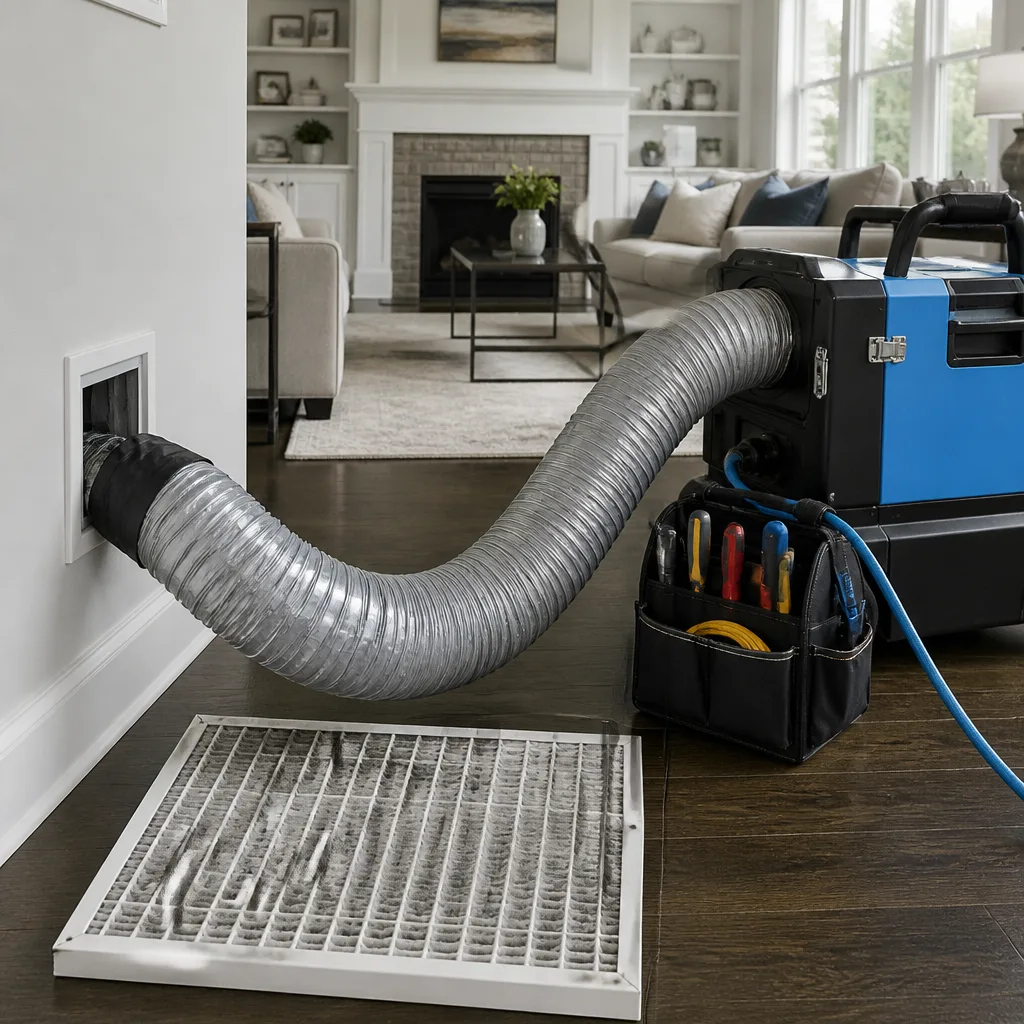 Whole-home duct cleaning
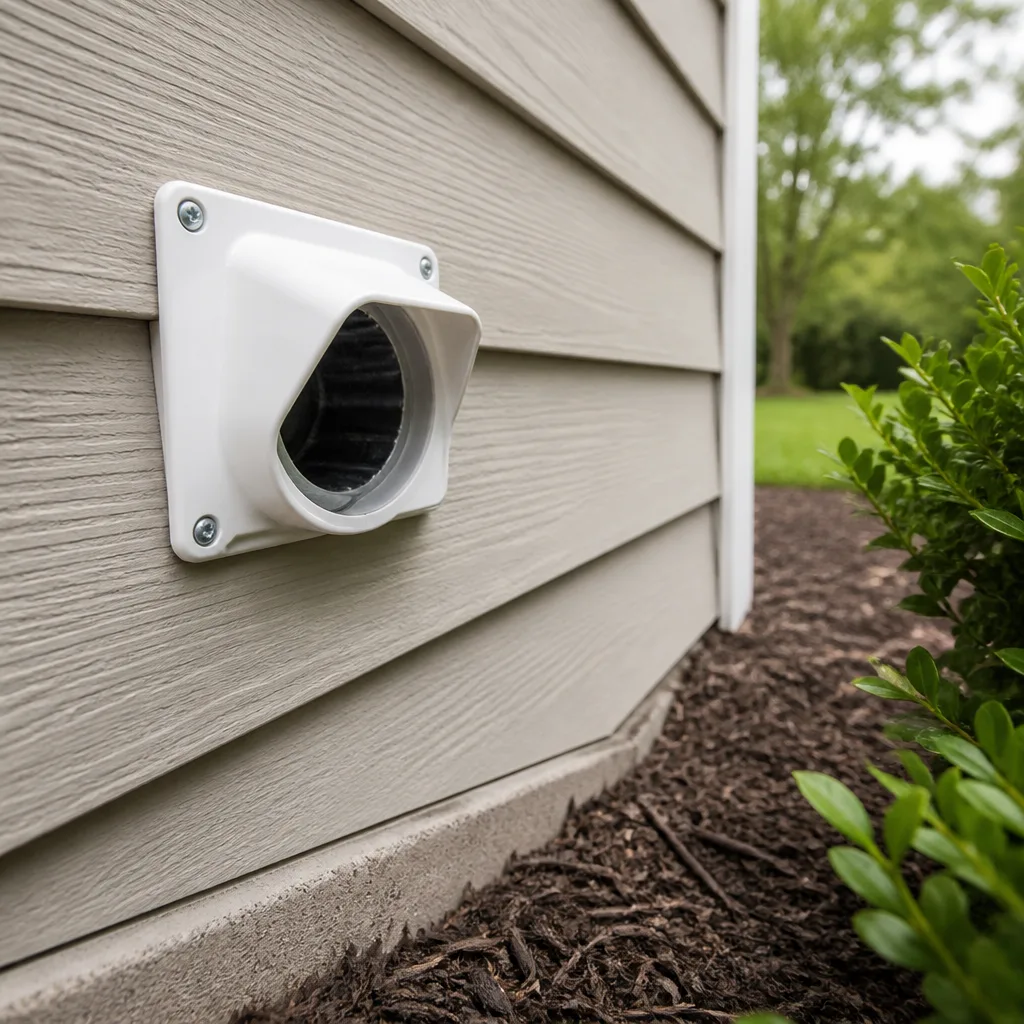 Dryer vent cleaning
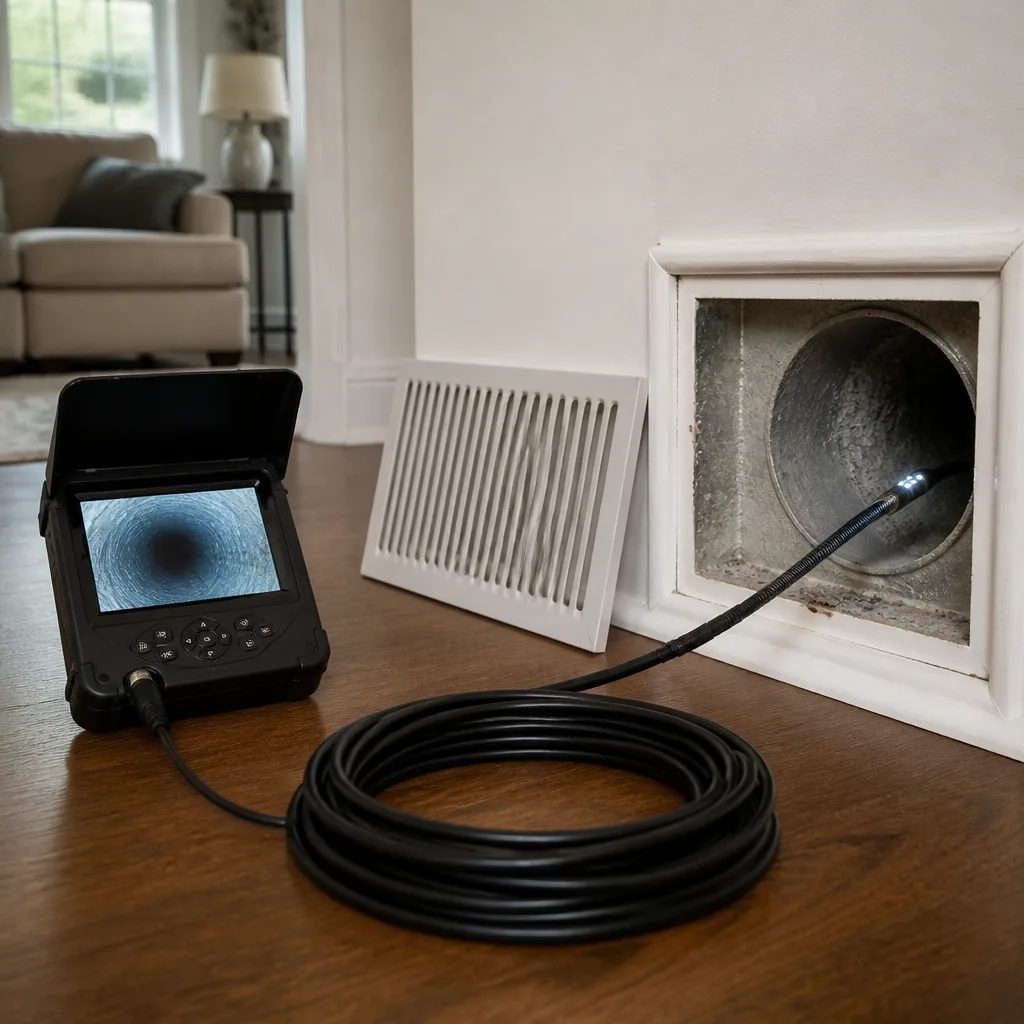 Camera inspection
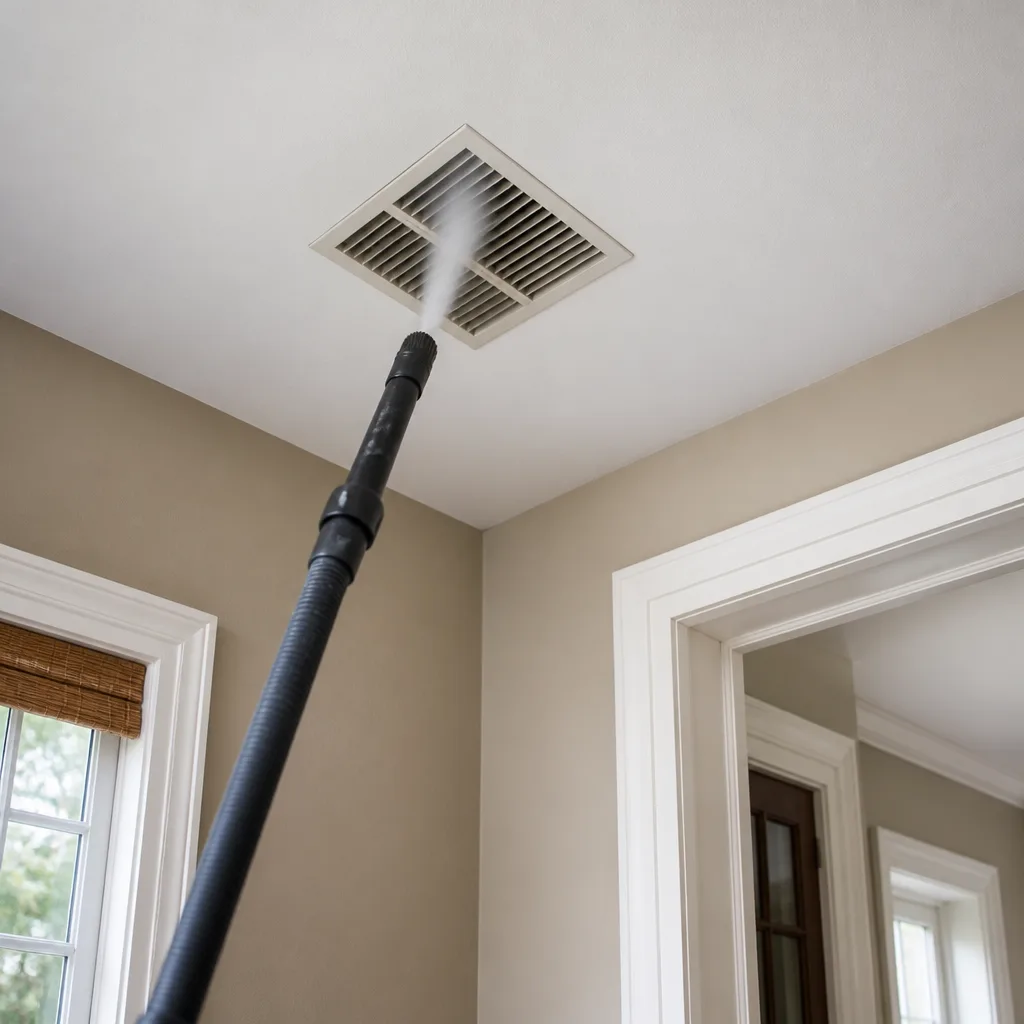 Sanitizing & deodorizing
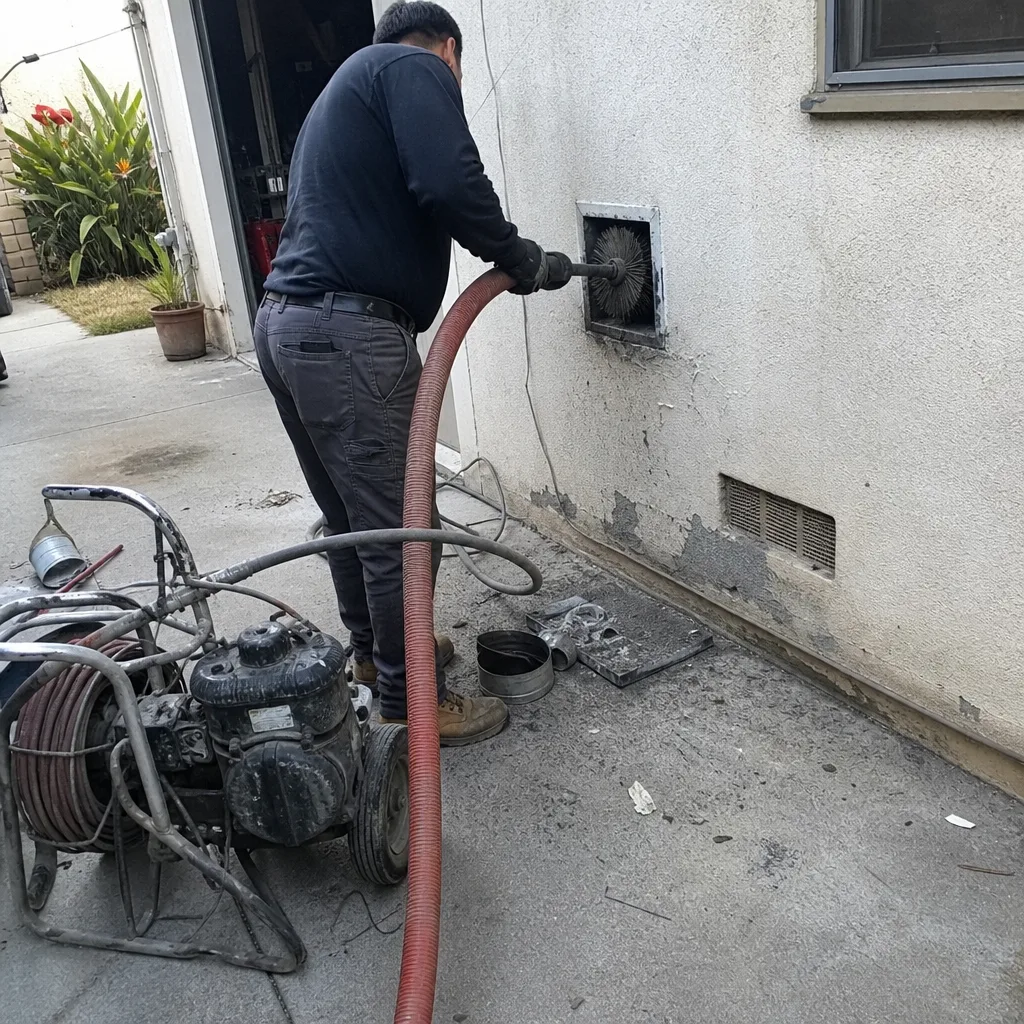
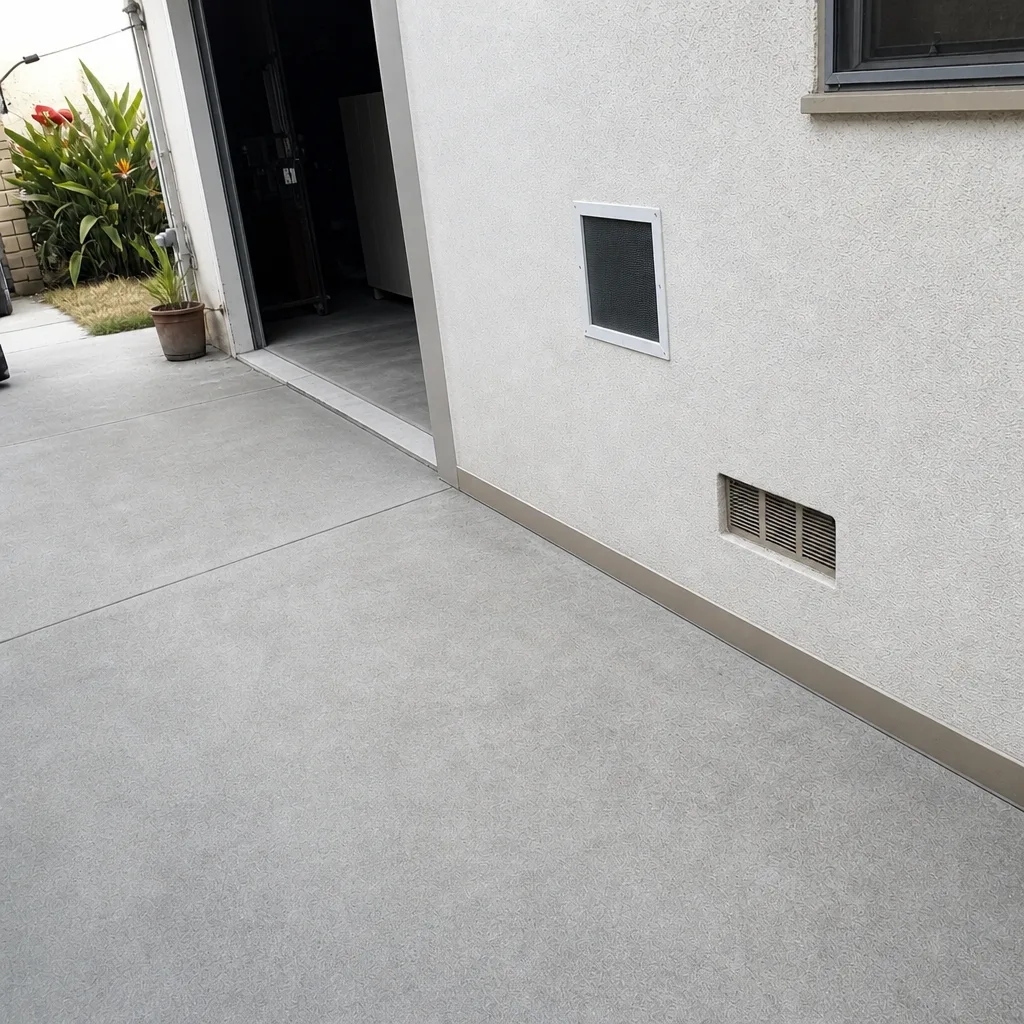
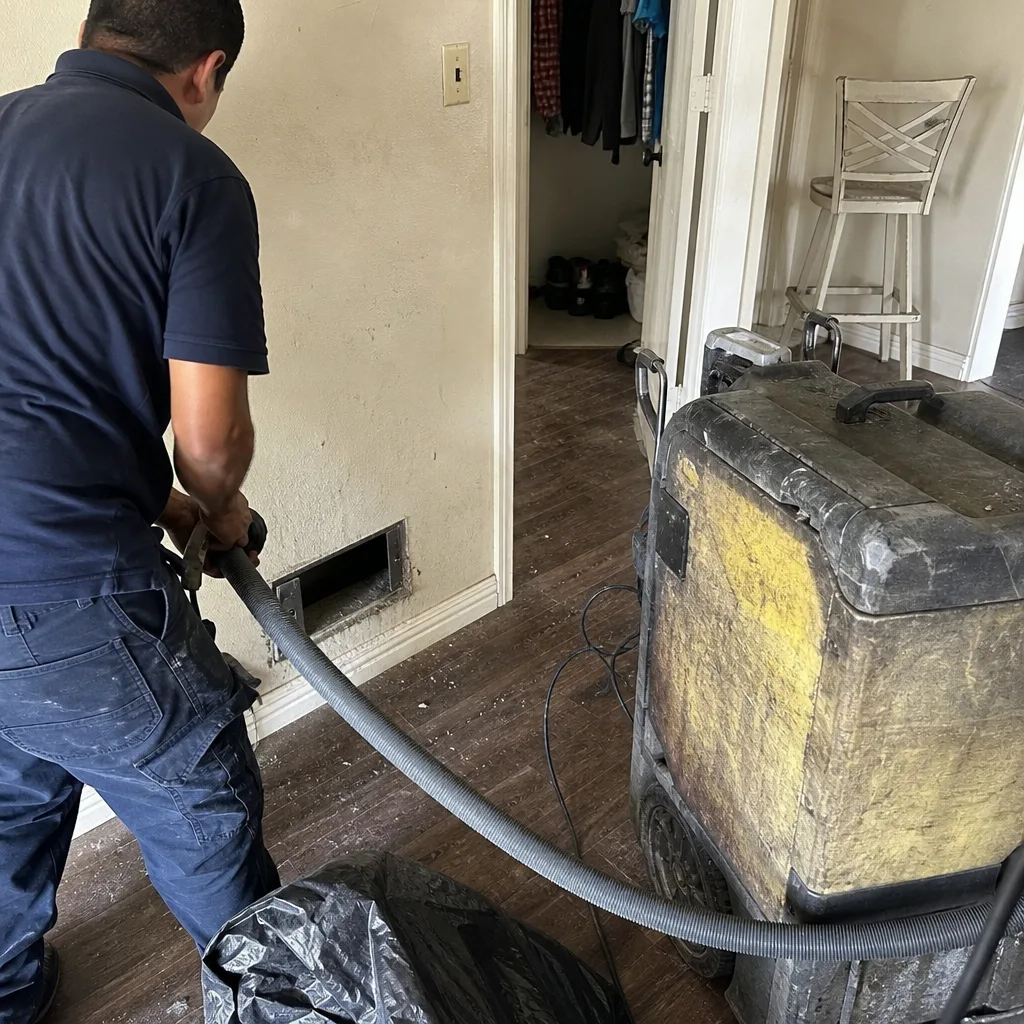
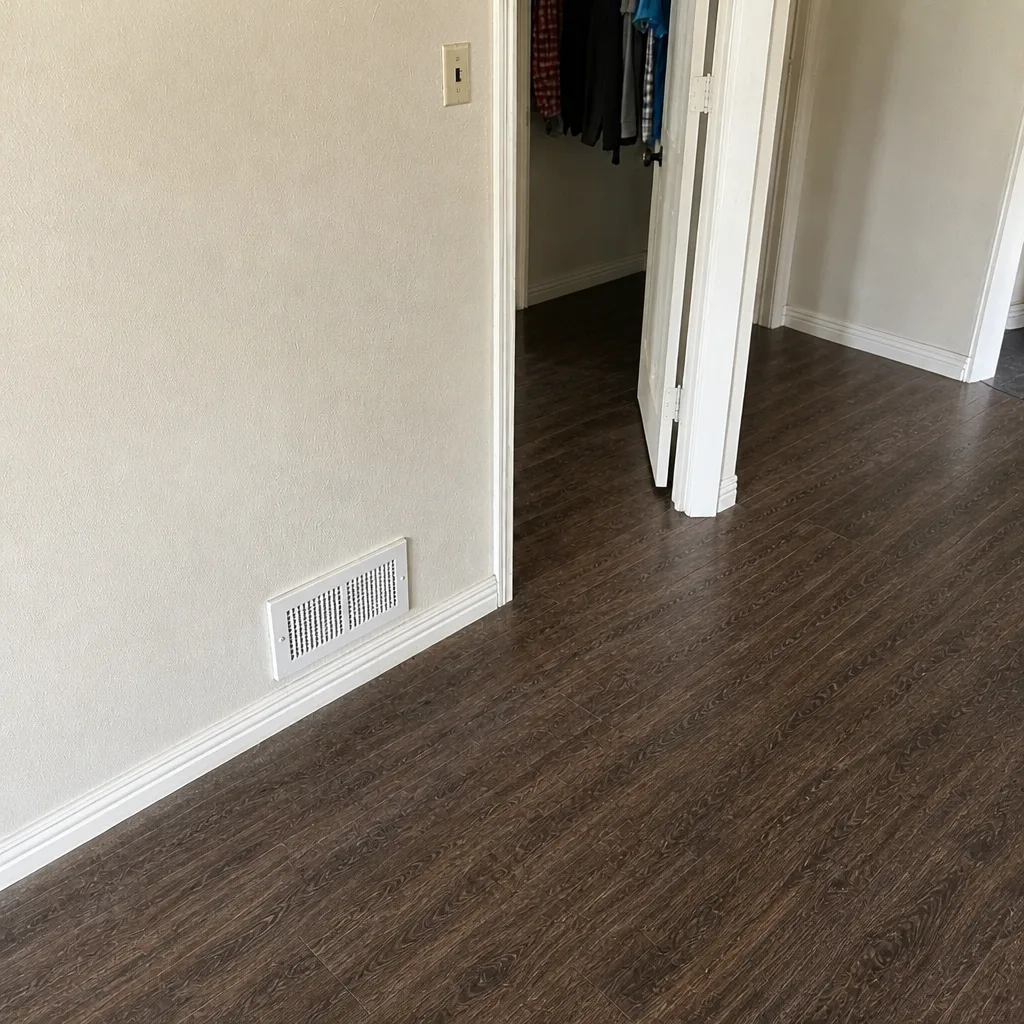
Whole-system duct and dryer vent check with before-and-after photos - you see exactly what came out of your vents
That "$99 whole-house special" is a bait ad - the real number appears once they are in your hallway, or the "clean" is a shop-vac at the register. We photograph the inside of your ducts before and after instead.
Air Duct Cleaning Permits, Codes & Inspections in Garden Grove, CA: What You Need to Know
Here’s the part most homeowners miss. Cleaning the inside of your ducts is not a permitted activity in California. Anyone with a vacuum and a business card can offer it. But the moment a technician cuts an access hole into sheet metal, reconnects a flex run, seals a joint with mastic, or treats mold inside an HVAC system, the job changes character. It becomes licensed contractor work under state law, and the paperwork trail (or lack of one) follows the house. This guide lays out where that line sits in Garden Grove, what the city and state actually require, which regulations touch the chemicals a duct crew uses, and what documents to keep after any duct work. You’ll finish knowing exactly which questions to ask before anyone touches your system.
Quick Answer
Air duct cleaning by itself does not require a permit in Garden Grove or anywhere else in California, because it’s cleaning, not construction. Duct modification, repair, sealing, or mold remediation inside HVAC ductwork does require a licensed contractor – a C-20 HVAC contractor or a C-61/D-24 or D-34 specialty license depending on the scope – and work that alters the system can trigger local permitting. If a company cleans only, no permit is needed. If it cuts, reconnects, or remediates, ask for the license classification and the documentation before work starts.
Styles & brands we work with
- Whole-home duct cleaning
- Dryer vent cleaning
- Camera inspection
- Sanitizing & deodorizing
Table of Contents
- Cleaning vs. Modification: Where the Line Sits in California
- Which License Does Duct Work Actually Require?
- What Garden Grove’s Building Department Looks At
- Title 24, Mold Remediation, and Ductwork
- AB 2588, CARB, and the Chemicals a Duct Crew Uses
- What Documentation to Request and Keep
- What an Inspection Actually Checks
- Duct Work and a Future Home Sale
Cleaning vs. Modification: Where the Line Sits in California
California draws a clean distinction between maintaining a system and altering it. Cleaning sits on the maintenance side. Anything that changes the physical duct system sits on the construction side, and construction work over a certain dollar threshold must be performed by a licensed contractor under the Contractors State License Law (Business and Professions Code). The threshold is low enough that almost any real repair qualifies.
In practice, here’s how the two columns break down:
- Cleaning (no license required to perform, no permit): pulling debris from ducts with negative-pressure equipment, brushing supply and return runs, cleaning the air handler cabinet interior without disconnecting it, cleaning registers and grilles, cleaning a dryer vent.
- Modification or repair (licensed contractor required): cutting new access panels into rigid ductwork, replacing flex duct runs, reconnecting disconnected joints, sealing duct seams with mastic or approved tape, rerouting a run, adding or removing a register, applying antimicrobial coatings to interior duct surfaces where mold is present.
The confusing part is that cleaners and modifiers are often the same crew on the same visit. A technician finds a disconnected flex run behind a register during a routine clean. It’s a five-minute fix. But that fix is duct repair, and duct repair is licensed work. This is why the question to ask isn’t “do you clean ducts” but “who on your team holds the license, and what’s their classification?” In Garden Grove, where a lot of the housing stock mixes older single-story ranch homes with newer infill construction, we see both rigid galvanized systems and flex-heavy installs. Flex systems fail at the joints more often, which means the cleaning-visit-turns-into-repair scenario comes up regularly.
One useful framing: cleaning removes what’s inside the duct. Modification changes the duct itself. The first is a service. The second is construction. That’s the whole distinction, and it’s the one the state cares about.
Which License Does Duct Work Actually Require?
California’s Contractors State License Board issues the licenses that cover duct work, and the right classification depends on what the job touches.
- C-20 (Warm-Air Heating, Ventilating and Air-Conditioning): the broad license for HVAC system work, including duct design, installation, modification, and repair. Most duct repair and sealing falls here.
- C-61/D-24 (or D-34 depending on scope): specialty classifications that can cover limited duct-related work such as duct sealing and certain sheet metal fabrication scopes. The right one depends on the specific task.
- General B license: can take a whole-project contract that includes duct work, but the duct portion still needs to be performed competently under the applicable trade scope.
Here’s what that means for a Garden Grove homeowner. If a duct cleaning company tells you your flex run is torn and offers to replace it on the spot, they need to either hold an appropriate license themselves or bring in a licensed contractor to do that portion. A cleaning-only company can point out the problem, document it, and hand it off. What it can’t legally do is perform the repair itself.
How do you check? The CSB maintains a public license lookup. Ask for the license number, look it up, and confirm three things: the license is active, the classification matches the work, and the business name on the license matches the company you’re hiring. In our experience, the companies that volunteer this information before you ask are the ones with nothing to hide. The ones that get vague about “our guys are all certified” are worth a second look. Certification is not licensure. A technician can hold a perfectly legitimate industry certification and still not be legally able to modify your ductwork.
For a straight cleaning, this doesn’t come up. For anything involving cutting, sealing, or replacing duct material, it’s the first question. If you’re scheduling an air duct cleaning, ask up front whether the company can handle repairs in-house or whether they’ll document and refer.
What Garden Grove’s Building Department Looks At
Garden Grove’s Building and Safety Division handles permits for construction work in the city, and its interest in ductwork is narrow but real. Routine cleaning never crosses their desk. What does:
- Duct system replacement or significant alteration. Replacing a full duct system or substantially reconfiguring it is typically permitted as part of an HVAC alteration. The permit pulls the work into inspection.
- New duct runs added during a remodel. Adding supply or return runs as part of a kitchen or room addition goes on the remodel permit.
- Mold remediation that involves structural or HVAC system alteration. If remediation requires opening wall cavities or altering ductwork, the construction portion may need permitting. Cleaning contamination out of an intact duct system typically does not.
- Water heater and furnace changeouts. Not duct work per se, but the venting and connections are inspected, and duct connections at the unit often get looked at during that inspection.
Garden Grove’s housing mix matters here. The city has a large stock of homes built in the mid-20th century, and many have had HVAC systems replaced or retrofitted over the decades. When a system has been modified piecemeal (a replaced air handler here, a re-run duct there) the as-built condition often doesn’t match whatever drawings exist. That’s exactly the situation where a future buyer’s inspector asks for permits, and where undocumented work becomes a negotiating problem.
The practical move: before any duct work beyond cleaning, call the city’s Building and Safety Division and describe the scope. Ask whether a permit is required for what you’re planning. The answer takes a few minutes and gives you a record. If a contractor tells you a permit isn’t needed for a scope that sounds like construction, get that in writing, then verify with the city yourself.
Title 24, Mold Remediation, and Ductwork
California’s Title 24 Building Energy Efficiency Standards govern how duct systems must be constructed and sealed in this state, and they matter to any duct work that changes the system. Title 24 requires duct systems to meet specified sealing requirements, and duct leakage testing is part of compliance for new and altered systems in many cases. That requirement has a direct implication for homeowners: duct sealing done as part of a permitted alteration is a tested, documented process, not a wrap of tape and a handshake.
Now the mold question. When mold is found inside HVAC ductwork, the work is no longer simple cleaning. California doesn’t license mold remediation as its own trade; instead, remediation that involves the building structure or HVAC system falls under licensed contractor work, and the CSB has published guidance on how mold-related contracting should be handled. What that means in practice:
- Surface mold on duct interior surfaces that can be cleaned and sanitized without altering the duct is generally treated as cleaning and sanitizing work.
- Mold that has penetrated duct liner, contaminated porous flex duct, or spread into the air handler and plenum typically requires removal and replacement of affected components – licensed HVAC work.
- Mold that has spread into wall cavities or framing around ducts is a construction remediation scope, which may require a licensed contractor and, in some cases, a permit.
The chemistry matters too. Antimicrobial coatings and sanitizers applied inside ductwork are regulated products, and applying them incorrectly (wrong dilution, wrong coverage, or on the wrong surface) can leave residue that gets distributed through the house every time the system runs. This is where professional equipment makes a difference. We use Rotobrush and Nikro systems along with Abatement Technologies containment equipment, and the reason isn’t brand loyalty – it’s that HEPA-filtered negative pressure and controlled containment are what keep contamination from spreading through the house during remediation. Honeywell and Aprilaire filtration components come into play when the system’s filtration needs upgrading as part of the fix.
Title 24 also touches filtration and system performance indirectly, since a leaky duct system wastes the efficiency the standards are designed to deliver. A duct system that leaks 20 percent of its conditioned air is a system the energy code was written to prevent. Sealing it properly is both a comfort fix and a code-aligned one.
AB 2588, CARB, and the Chemicals a Duct Crew Uses
California regulates what goes into the air more aggressively than most states, and two programs touch duct cleaning directly.
AB 2588 (Air Toxics Hot Spots Information and Assessment Act) requires facilities that emit certain toxic air contaminants to report and assess those emissions. It’s aimed primarily at industrial and commercial facilities, not residential duct cleaning. But it sets the tone for how the state treats airborne contaminants, and it’s part of why commercial and multi-unit property managers in Garden Grove take duct cleaning chemical use seriously. If a cleaning or remediation job involves solvents, coatings, or sealants that release volatile compounds, the disposal and ventilation practices follow state rules.
CARB (California Air Resources Board) regulates consumer and commercial products that emit volatile organic compounds, including many cleaners, sealants, and aerosols. Duct cleaning chemicals – sanitizers, antimicrobials, coil cleaners, and duct sealants – fall under CARB’s VOC limits for the product categories they belong to. What that means for a homeowner:
- The products a compliant company uses should be CARB-compliant for their category, which generally means lower VOC content than older formulations.
- Waste from cleaning – debris, filters, contaminated material – has to be disposed of properly, not dumped in the household trash in every case.
- Ventilation during application matters. Running the system immediately after applying a coating pushes whatever’s still off-gassing into the living space.
Ask what products a company intends to use and whether they’re CARB-compliant. Ask how they handle debris disposal. A crew that can answer those questions without hesitation is a crew that knows the regulations. Our HVAC cleaning work includes product selection for exactly this reason: the right sanitizer applied the wrong way is worse than none.
What Documentation to Request and Keep
This is the part homeowners skip, and it’s the part that protects them years later. After any duct work beyond routine cleaning, request and file the following:
- The contractor’s license number and classification for the company and for the individual who performed modified work.
- A written scope of work describing exactly what was cleaned, what was repaired, what was replaced, and what products were applied.
- Before-and-after photos of your own ducts – not stock images. Interior duct photos taken during the job are the only real proof the work happened.
- Permit documentation and inspection sign-off if a permit was pulled for any part of the scope.
- Product records – brand names and, where applicable, safety data sheets for sanitizers, sealants, and coatings used.
- The written estimate and final invoice showing the agreed price and any change orders signed off before work proceeded.
Keep these with your home records. If you sell, they answer the buyer’s inspector’s questions before they become negotiations. If you ever have a warranty claim or an insurance question related to the HVAC system, they’re the difference between a covered claim and a dispute over whether the work was done at all.
On that last point – how do you know the work was actually done? The honest answer is that you can’t see inside your ducts. Photos taken during the job are the closest thing to proof, and a company that offers them without being asked is telling you something about how it operates. When we handle dryer vent cleaning, the same documentation standard applies, because dryer vent work is a fire-safety service and the record matters.
What an Inspection Actually Checks
Duct work doesn’t get its own standardized inspection in most residential cases. What happens instead is that duct condition gets examined opportunistically, during other inspections or during a home sale. Here’s what actually gets looked at and when:
- During an HVAC changeout permit inspection: the inspector looks at the duct connections at the air handler, the plenum, and visible duct runs. Poor connections and unsealed joints get flagged.
- During a home sale inspection: a home inspector will note visible dust accumulation at registers, disconnected flex duct in the attic or crawlspace, damaged duct insulation, and any obvious mold staining. They won’t see inside the ducts, but they will see the symptoms.
- During a Title 24 duct leakage test (for permitted alterations): a duct blaster test measures leakage. This is a quantitative check and produces a number.
- During a mold-related inspection: if a remediation was performed, the clearance process may involve visual inspection and, in some cases, air sampling by a third party.
What none of these inspections do is verify that a routine cleaning happened. That’s why the documentation in the previous section matters: it’s the only record.
For Garden Grove homeowners specifically, the practical takeaway is that duct condition shows up at the worst possible time – during a sale, when you’re negotiating and don’t want surprises. Addressing duct repair and sealing proactively, with documentation, removes that variable. Our duct repair and sealing service exists for exactly that reason.
Duct Work and a Future Home Sale
Here’s the scenario worth understanding before it happens. A duct technician offers to replace a torn flex run for a modest added charge during a cleaning. You say yes. The work gets done. A few years later you sell, and the buyer’s inspector finds a replaced duct run with no permit, no documentation, and no record of who did it. Now it’s your problem to explain, and the buyer has leverage.
This isn’t a reason to avoid duct repair. It’s a reason to insist on documentation. The three rules:
- Know what’s being modified. Cleaning and modification are different scopes with different legal requirements. Ask which one is being proposed.
- Get the license classification in writing for any modification, and verify it with the CSB.
- Ask whether a permit is required. If the answer is no, ask the city yourself. If the answer is yes, make sure the permit is pulled before work starts, not after.
Undocumented modifications are the ones that cost homeowners at sale. Documented ones are a selling point: a buyer who sees clean, sealed, documented ductwork with photos and an invoice has less to worry about, and that shows up in how the negotiation goes. The fire-safety side of the system works the same way. A documented dryer vent cleaning record is a small but real piece of a well-maintained home file.
Common Mistakes to Avoid
- Assuming “licensed and insured” covers duct repair. Ask for the classification, not just the assurance. A C-39 roofing license doesn’t cover duct modification. Verify the classification against the scope of work being proposed.
- Letting a cleaning crew cut access panels without asking who’s licensed. Access panel cuts are duct modification. In Garden Grove’s older housing stock, where rigid duct systems are common, this comes up more than people expect.
- Skipping the permit question on a system alteration. If the scope sounds like construction, it probably is. Call the city’s Building and Safety Division and ask directly. It takes minutes.
- Not asking what products will be sprayed inside the ducts. Sanitizers and antimicrobial coatings are regulated products under CARB’s VOC rules. Ask for the product names and how they’ll be applied.
- Accepting stock before-and-after photos. Generic photos prove nothing. Ask for photos of your own ducts, taken during your job.
- Tossing the paperwork. The invoice, scope, photos, and license information are home records. File them with your HVAC warranty documents.
- Assuming a cleaning company can do remediation. Mold remediation that penetrates duct liner or spreads into the structure is licensed contractor work. A cleaning company pointing out the problem and referring it out is doing the right thing, not falling short.
See the difference
 Before
 After
 Before
 After
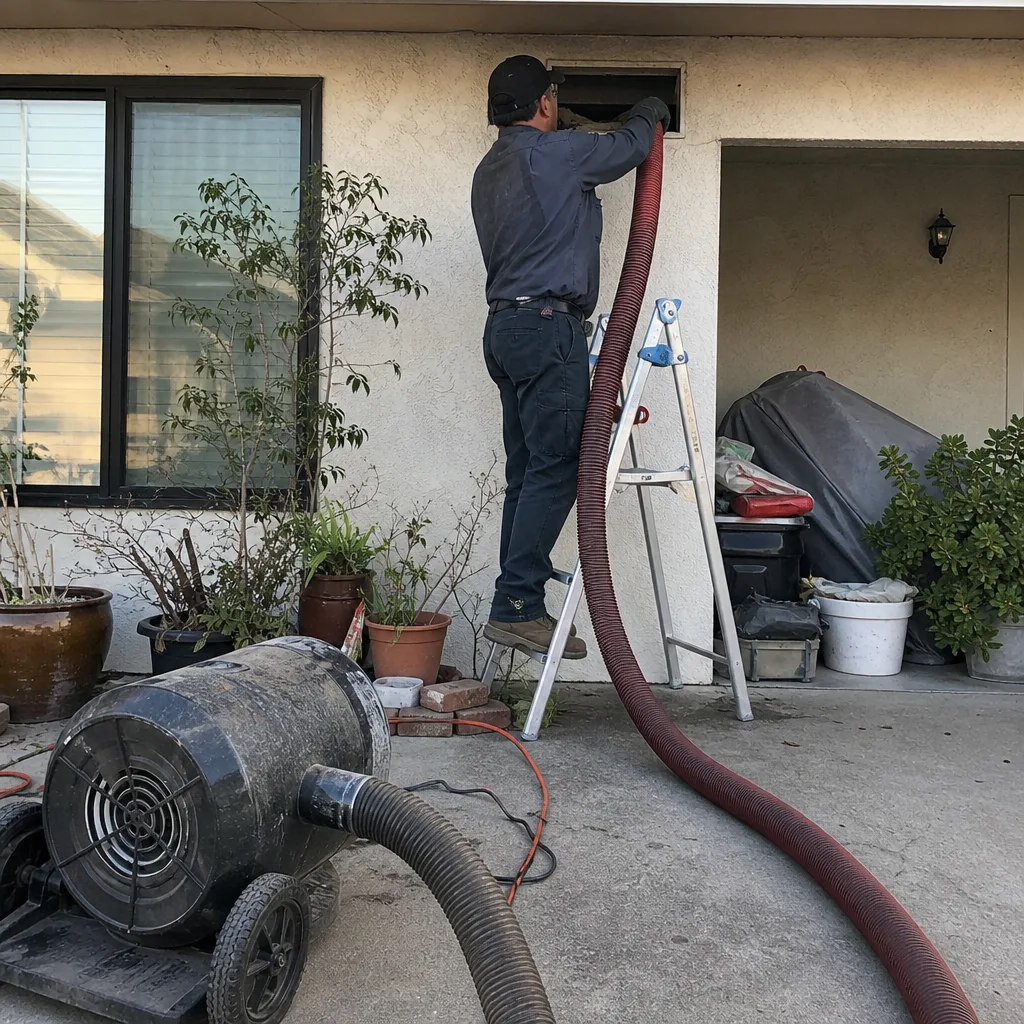 Before
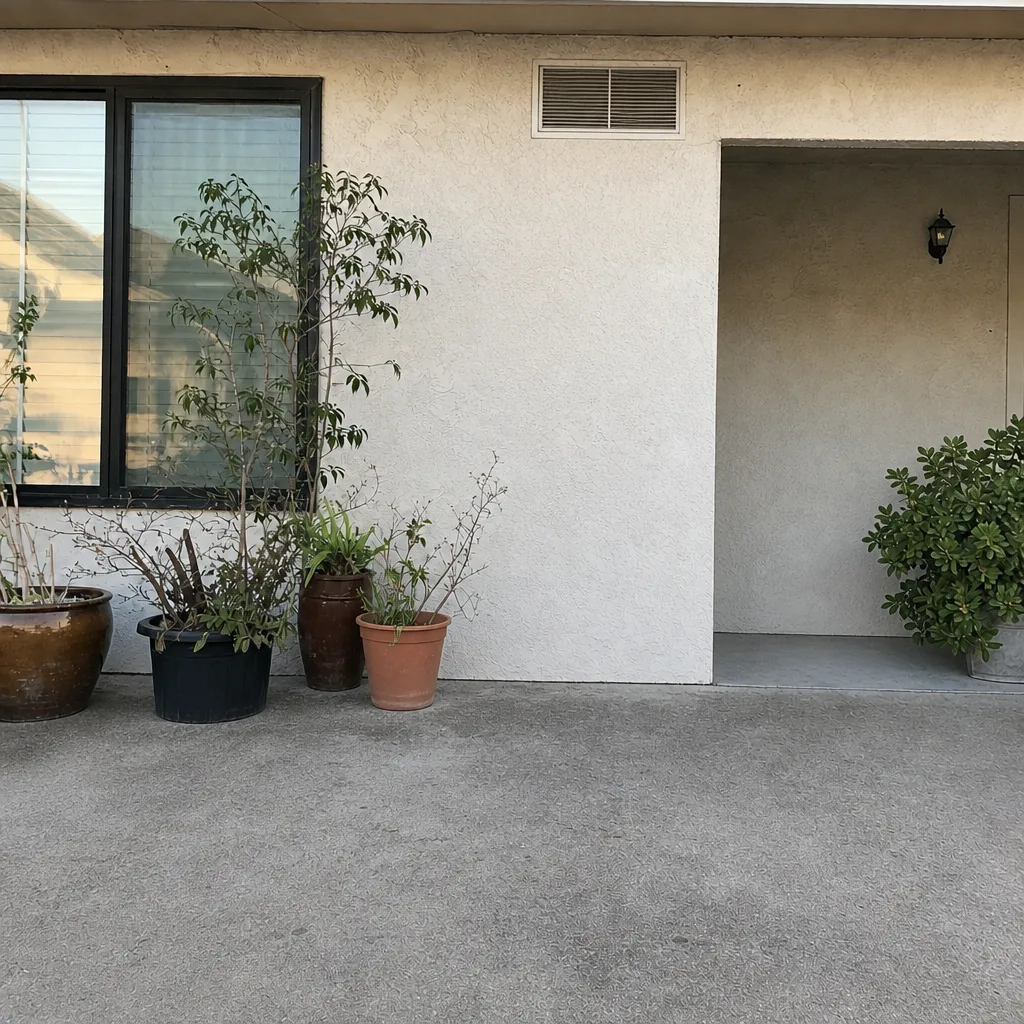 After
When to Call a Professional
Some duct work is a straightforward cleaning job. Some of it needs a licensed contractor and, in certain cases, a permit. Call a professional when you notice visible dust streaking at registers, a musty smell that returns after cleaning, disconnected flex duct in the attic or crawlspace, mold staining on duct surfaces or the air handler, or a dryer that takes noticeably longer to dry a load. Also call if you’re planning to sell and don’t have documentation of any duct work performed on the home. Our technicians have up to 12 years of experience and can assess whether a job is cleaning-only or whether it crosses into licensed repair scope, and we’ll tell you which. Air Duct Cleaning Garden Grove Pros offers free estimates in Garden Grove – call (877) 792-6315. We answer 24/7. Fast dispatch from 7am to 7pm, Sunday through Friday.
Frequently Asked Questions
No. Routine air duct cleaning does not require a permit in Garden Grove or anywhere in California, because cleaning is maintenance rather than construction. A permit becomes relevant when the work alters the duct system – replacement, substantial reconfiguration, or mold remediation that involves structural work – and that scope also requires a licensed contractor. Call (877) 792-6315 for an exact quote – estimates are free.
Yes. Duct repair, duct sealing, access panel cutting, and flex duct replacement are licensed contractor work in California, typically under a C-20 HVAC license or an applicable C-61 specialty classification. Ask for the license number, look it up with the Contractors State License Board, and confirm the classification matches the work. Cleaning-only work does not require a license to perform. Call (877) 792-6315 for an exact quote – estimates are free.
Whole-system duct cleaning in the Garden Grove market typically runs by system size and accessibility rather than per vent, and we price one flat rate per system agreed before work starts, so there’s no per-vent math and no surprises once the technician is on site. The written estimate sets the final price. Call (877) 792-6315 for an exact quote – estimates are free.
Usually because they’re quoting a smaller scope, not a lower price for the same work. A low figure often covers a quick pass at visible registers without full-system negative pressure, without the air handler interior, and without documentation. We include before-and-after photos of your own ducts so you can see what was done. Call (877) 792-6315 for an exact quote – estimates are free.
CARB’s VOC limits apply to cleaners, sealants, and aerosols used in duct work, and disposal of cleaning waste falls under state rules. AB 2588 (Air Toxics Hot Spots) is aimed primarily at industrial facilities but reflects how seriously the state treats airborne contaminants. Ask what products a company intends to use and whether they’re CARB-compliant. Call (877) 792-6315 for an exact quote – estimates are free.
Ask for before-and-after photos of your own ducts, taken during the job, plus a written scope describing what was cleaned and what was repaired. The invoice and scope together with the photos are your record. Keep them with your home files in case of a future sale or insurance question. Call (877) 792-6315 for an exact quote – estimates are free.
The Bottom Line
Cleaning your ducts is not a permitted activity in California. Altering your ducts is licensed contractor work, and in some cases it needs a permit from Garden Grove’s Building and Safety Division. The line between the two is clear in principle and blurred in practice, especially on older systems where a cleaning visit turns up a repair. The protection is simple: know which scope is being proposed, ask for the license classification when it’s modification, verify it with the CSB, ask the city about permits yourself, and keep the documentation. Title 24, CARB’s VOC rules, and the state’s mold-remediation guidance all point the same direction: the paperwork trail is the record, and the record belongs to you. Our technicians have up to 12 years of experience and can walk you through which scope your system needs.
Call (877) 792-6315 for a free estimate. We answer 24/7. Fast dispatch from 7am to 7pm, Sunday through Friday.
Written by the team at Air Duct Cleaning Garden Grove Pros.