
Last updated November 24, 2026
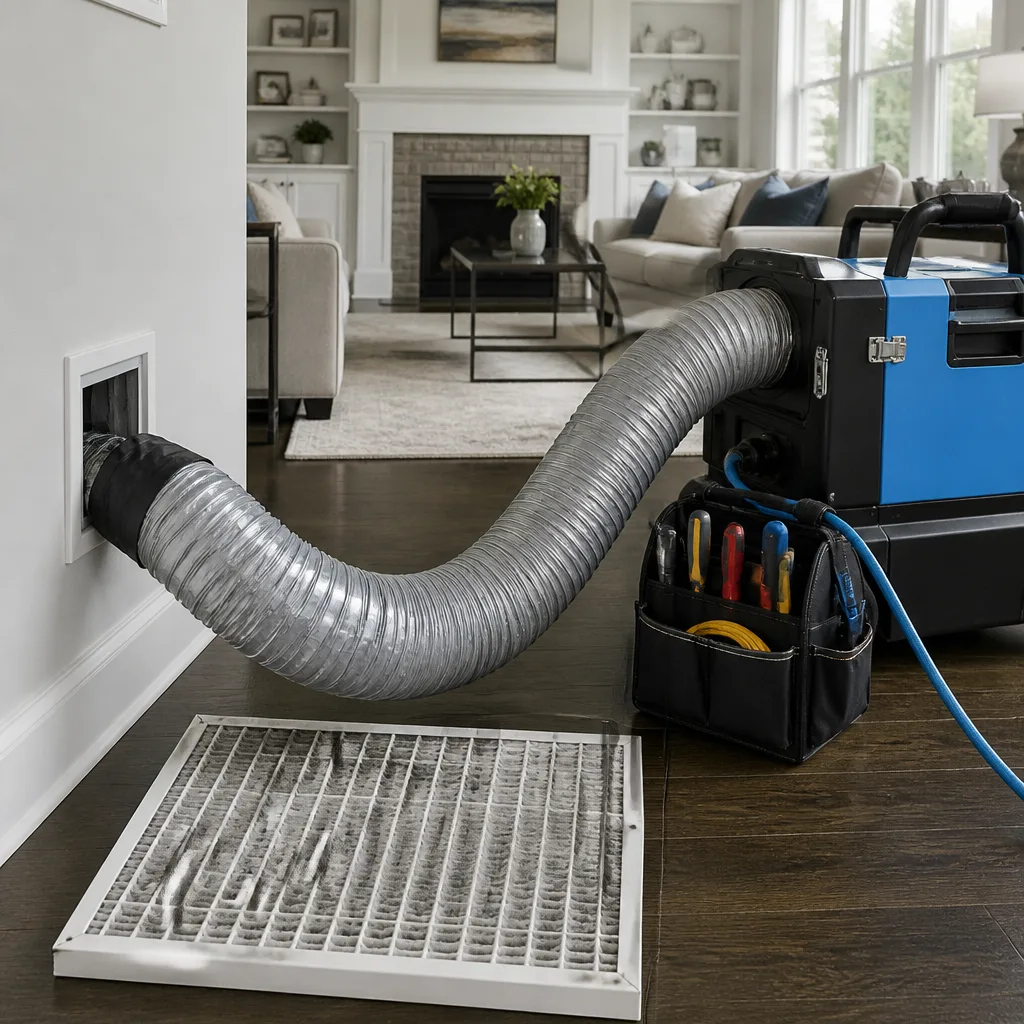 Whole-home duct cleaning
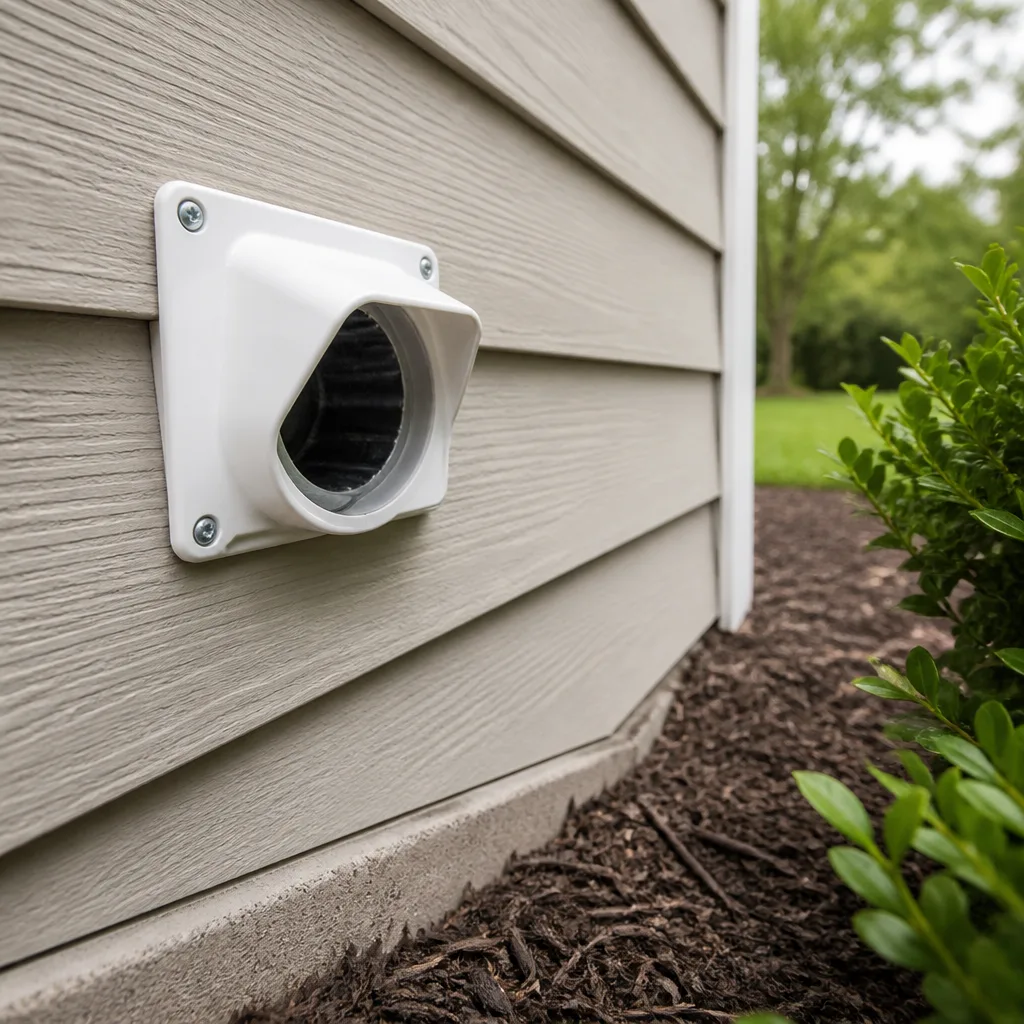 Dryer vent cleaning
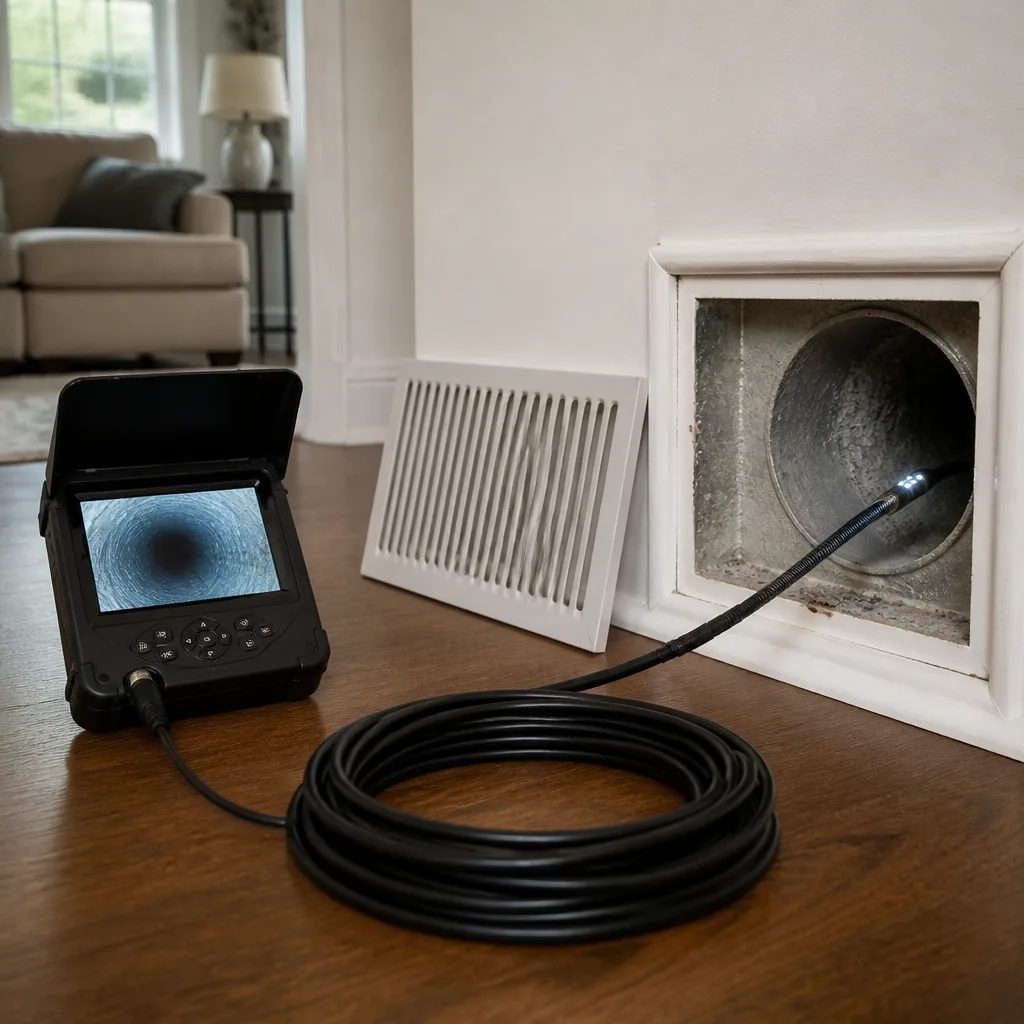 Camera inspection
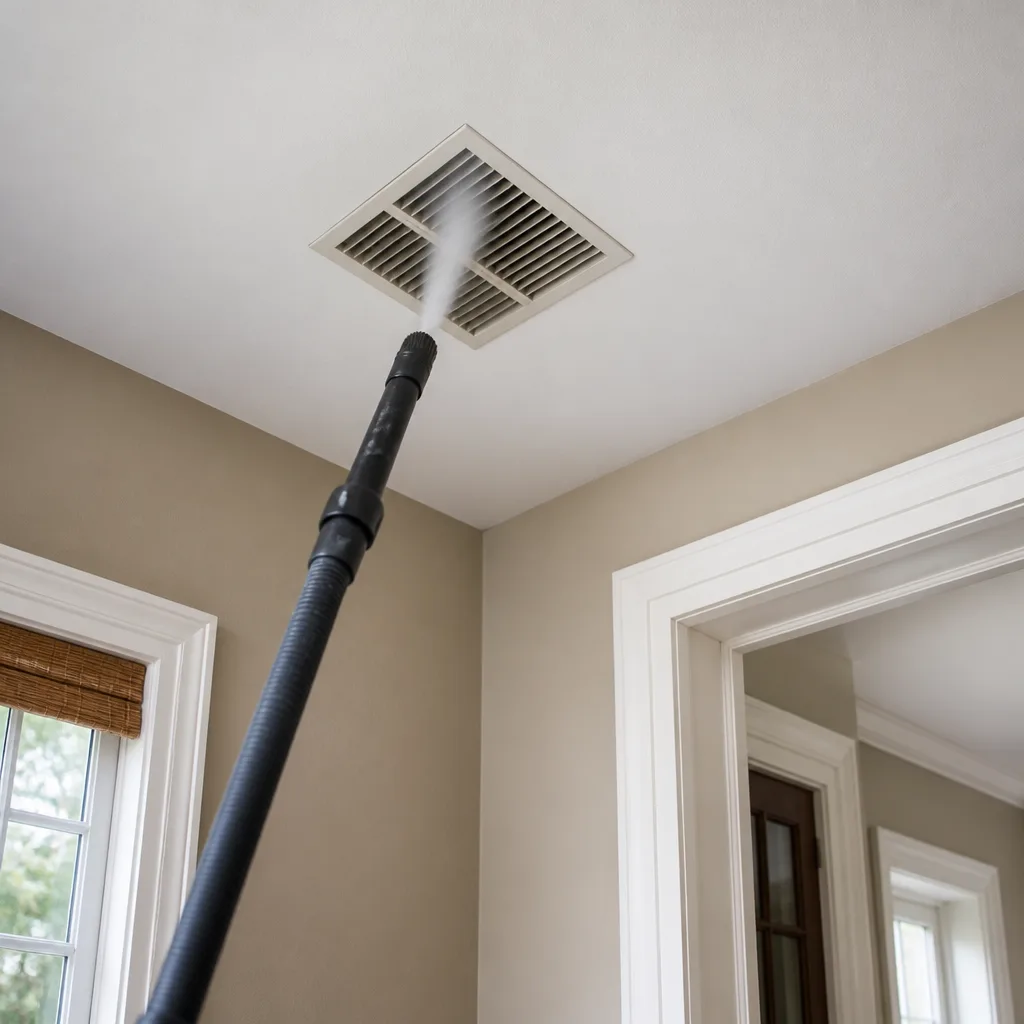 Sanitizing & deodorizing
Whole-system duct and dryer vent check with before-and-after photos - you see exactly what came out of your vents
That "$99 whole-house special" is a bait ad - the real number appears once they are in your hallway, or the "clean" is a shop-vac at the register. We photograph the inside of your ducts before and after instead.
Air Duct Cleaning Emergency Preparedness Guide for Garden Grove Homes
Most Garden Grove homeowners think about their duct system only when the air feels off. What surprises people is the order of operations after a regional emergency. Running the HVAC during a smoke event can concentrate particulate inside the ducts rather than clear it, and cleaning a system that still has an active moisture problem can make things worse. This guide covers what to do before, during, and after a wildfire smoke event, an earthquake, or water intrusion, with a focus on when cleaning helps, when it hurts, and what an inspector should be looking at in a Garden Grove home.
Quick Answer
After a wildfire smoke event, an earthquake, or water intrusion in Garden Grove, the duct system should be inspected before normal HVAC operation resumes – not cleaned blindly. Smoke requires a filter upgrade and a system-off period first; earthquakes require a joint and register integrity check; water events require a dry-out verification before any cleaning. Cleaning is the corrective step, not the first step.
Styles & brands we work with
- Whole-home duct cleaning
- Dryer vent cleaning
- Camera inspection
- Sanitizing & deodorizing
Table of Contents
- Why the Duct System Is the Overlooked Part of Emergency Prep
- Wildfire Smoke Events: What to Do Before, During, and After
- What Earthquake Damage Actually Looks Like Inside a Duct System
- Water Intrusion: Assessing Duct Integrity Before Mold Takes Hold
- What to Tell a Technician After an Emergency Versus a Routine Cleaning
- Your Garden Grove Duct Emergency Prep Checklist
- Post-Event Cleaning Protocol: When to Clean and When to Wait
- Regional Context: Why Garden Grove Homes Face a Specific Risk Profile
Why the Duct System Is the Overlooked Part of Emergency Prep
You’ve probably got a plan for earthquakes. Water bottles, a flashlight, a meetup spot. Maybe you’ve sealed documents in a plastic bag. What most Garden Grove homes don’t have is a plan for the duct system, which is the part of the house that keeps circulating whatever got into it long after the visible emergency has passed. That’s the gap this guide fills.
Duct work is hidden, which is exactly why it gets skipped. You can’t see dust accumulation. You can’t see a flex duct joint that pulled loose during a tremor. You can’t see the moisture that crept into a trunk line after a roof leak. What you notice months later is a smell, a headache that won’t go away, an HVAC system that seems to be running harder than it used to, or allergy symptoms that don’t match the season.
In concrete terms, the duct system is a low-pressure recirculation loop. Whatever is present in the duct interior gets distributed to every connected room each time the air handler runs. That’s the reason duct prep belongs in your emergency planning alongside water and power. A duct system that’s been cleaned, sealed, and inspected before an event recovers faster after one, and an uncleaned system turns a regional smoke event or a small roof leak into an indoor air quality problem that lingers for months.
Our technicians have up to 12 years of experience with full-system work in this climate, and we use professional-grade equipment from Rotobrush and Nikro on every job because the recovery work after any of these events depends on removing what actually settled, not just what a consumer vacuum can reach. The full-service approach at Air Duct Cleaning Garden Grove Pros covers cleaning, repair, sealing, and sanitizing under one scope, which matters when an emergency produces more than one problem at once.
Wildfire Smoke Events: What to Do Before, During, and After
Wildfire smoke events in Southern California are not rare, and the particulate that travels with them is small enough to pass most standard air filters and settle inside duct interiors. Here’s the counterintuitive part: the standard advice to “run the system to keep air moving” is wrong for ducts during a smoke event. Moving the air moves the particulate into the system and then into every room.
During a Smoke Event: The Sequence That Protects the Ducts
- Close the house. Shut windows and doors and keep exterior doors closed as much as possible. The goal is preventing outdoor particulate from entering in the first place.
- Turn the HVAC system off unless the filter is upgraded. If you have a MERV 13 or higher filter that fits correctly, you can run the fan on low to keep indoor air moving through filtration. If your filter is a standard fiberglass panel, turn the system off. It will pull smoke into the duct interior and distribute it.
- Seal the return path. A loose return-air grille in a hallway or closet is an open door for outdoor smoke that enters the home from gaps around doors and windows. Keep the grille closed and the filter seated properly.
- Run a standalone HEPA purifier in the room where you spend the most time. This is a temporary measure and not a substitute for duct cleaning, but it buys time during the event itself.
- Do not run the dryer. Dryer vent systems pull air from inside the home and exhaust it outside. During a smoke event, running the dryer creates a pressure difference that encourages outdoor smoke to enter through other gaps. Run laundry after the smoke clears.
After the Smoke Event: Filter First, Then Assess
The first step after a regional smoke event is a filter inspection, not a duct cleaning. Pull the filter and look at it against a white background. If the filter face is uniformly grey or brown, the duct system likely captured particulate beyond the filter. If the filter looks normal but your HVAC is short-cycling or the return grilles are visibly dusted, the system pulled smoke past the filter and the ducts need inspection.
Before resuming normal operation, replace the filter with a correctly-sized MERV 13 filter if your system supports that pressure drop. If you’re not sure what your system can handle, that’s the moment to check. Air handlers in older Garden Grove homes are often set up for a thin filter and can’t pull enough air through a thick one without strain. In our experience, the right filter is the one that fits the filter slot properly, seats against the frame, and doesn’t choke the return.
Then decide whether to clean. If the home was closed and the filter was upgraded before smoke arrived, you may only need an inspection. If the system ran during a long smoke event, or you noticed the smell stuck in the house after the air cleared outside, plan on air duct cleaning and, if the home has any musty or smoky odor persisting in specific rooms, a sanitizing treatment as well.
What Earthquake Damage Actually Looks Like Inside a Duct System
Earthquake damage to ducts rarely looks dramatic. You won’t see a duct hanging from the ceiling in most cases. What you’ll see, when you get a camera in the system, is a set of small failures that compound into a contamination problem. The most common findings after a significant Garden Grove tremor:
- Disconnected flex duct joints. Flex duct is joined to rigid trunk lines and boots with tape, mastic, or a collar. Shaking loosens these connections, and a joint that opens even a quarter inch pulls attic air, garage air, or crawlspace air into the supply line.
- Shifted registers and grilles. A register that’s no longer flush against the drywall or floor surface leaves a gap that pulls debris from the wall cavity into the supply stream.
- Dislodged duct hangers. Straps and hangers let go, leaving the duct resting on a joist or sagging, which creates a low point for moisture and dust to collect.
- Cracked mastic at seams. Mastic dries out over time and a tremor finishes the job, creating pinhole leaks at trunk line seams.
- HVAC cabinet movement. An air handler that shifts on its platform can pull duct connections loose at the plenum and open the return path to unconditioned space.
Here’s why it matters beyond airflow. A disconnected flex duct in an attic is a direct opening between an unconditioned, dusty, sometimes rodent-active space and the air you breathe. Even a small break introduces particulate that would never have been there otherwise. In homes across Garden Grove with garage-adjacent or attic-run duct systems, the breaks that show up after a tremor tend to be in the runs that are hardest to see.
The remedy is duct repair and sealing, followed by cleaning once the system is tight again. Cleaning a leaky system is wasted effort – the ducts will re-contaminate as soon as the system runs. Sealed, cleaned, and certified clear is the only sequence that holds. If you can’t remember the last time the duct system was inspected, an integrity check is a reasonable precaution after any tremor strong enough to have knocked items off shelves.
Water Intrusion: Assessing Duct Integrity Before Mold Takes Hold
Water in a duct system is a different failure mode than smoke or earthquake damage, and it’s the one with the shortest window for intervention. A pipe burst, a roof leak, a supply line failure under the sink, or a period of intense rain that finds a gap in the roof sheathing can all put moisture into a duct run. The duct interior is dark, warm, and often lined with dust that’s high in organic material. That’s a mold incubation environment.
The sequence that saves the system:
- Stop the water source and dry the visible space. Run fans and a dehumidifier in the affected room. Don’t run the HVAC system if duct interiors are wet – it distributes moisture to every connected room and pushes the growth problem downstream.
- Inspect for moisture inside the ducts. Look for water staining at registers and grilles, condensation on the outside of duct runs in the affected area, musty odor at specific room vents, and any flex duct sagging that would indicate water weight.
- Confirm the ducts are dry before cleaning. This is the step most homeowners skip. Cleaning a wet duct stirs up biological growth rather than removing it, and the growth re-establishes within days. Ducts should read dry to a moisture meter before cleaning begins.
- Check for hidden moisture pockets. Insulated flex duct holds water in the insulation layer long after the interior has dried. A duct that feels dry on the inside can still have wet insulation shell, and that shell has to be replaced or the problem returns.
- Plan cleaning and sanitizing together. Once the ducts are verifiably dry, the cleaning removes settled debris and any biological material that established while the system was wet. Air quality and sanitizing treatments with Guardsman-grade protective treatments applied afterward address the residual growth on duct surfaces.
If the water intrusion has been ongoing – a slow drip from an HVAC condensate line, for example – the duct interior may already have a growth problem by the time you notice. In that scenario, the inspection and the cleaning happen close together, and sanitizing is not optional. We use Abatement Technologies equipment specifically because contaminant control in a post-water-loss environment needs more than a general-purpose vacuum, and this is the category of job where the wrong method causes a problem rather than fixing one.
What to Tell a Technician After an Emergency Versus a Routine Cleaning
The information you provide when booking shapes the entire visit. A routine duct cleaning is a scheduled maintenance job: the technician knows the shape of the system, has a plan, and moves through cleaning in sequence. A post-emergency visit starts with an inspection whose purpose is to identify things a routine cleaning doesn’t look for. The two priorities are different, and bundling them into a generic “cleaning appointment” wastes the visit.
What to Say When Booking a Routine Cleaning
- When the system was last cleaned, if you know
- Whether you’ve noticed a general dust build-up or a specific room that’s worse
- Whether the system is heating and cooling correctly
- The size of the home and the number of systems, if more than one
What to Say When Booking After an Emergency Event
- What the event was. Smoke, earthquake, water intrusion, or a combination. This changes the inspection plan.
- The timing. “The smoke event was three weeks ago” tells the technician whether you’re likely dealing with fresh particulate or biological growth.
- Whether the HVAC ran during the event. This is the single most useful piece of information for a post-smoke visit.
- Which rooms smell wrong. Room-specific odor maps back to specific duct runs.
- Whether there was water anywhere, even a small amount. Water in an HVAC cabinet, a condensate overflow, a wet register – all of these change the inspection focus.
- Whether a repair has been done since the event. If a contractor sealed a roof leak, we need to know the ducts near that area are suspect.
- Whether the system is making any new noises or pushing less air to certain rooms. This can indicate a disconnected joint or a duct that collapsed.
For the HVAC cleaning portion of the visit, the post-emergency inspection also includes the evaporator coil, the condensate pan, and the return plenum. Dust and smoke particulate that bypasses the filter collects on the coil and reduces efficiency, and the coil is where growth becomes difficult to remove if it sets in. Separate from the duct work, the dryer vent cleaning service is worth scheduling in the same visit after an extended period of the home being closed up, because lint accumulation in a dryer vent is a fire risk that becomes more pressing as a home’s dry-cycle frequency increases.
Your Garden Grove Duct Emergency Prep Checklist
Before the next event, not after.
- Label your filter size and location. Write the size on a piece of tape inside the filter grille. Know where the filter slot is and how to pull it without tools.
- Keep two spare filters of the correct size. One MERV 13 for smoke events, one standard replacement for regular use. Store them in a plastic bag so they don’t pick up garage dust.
- Confirm your return grille is sealed and seated. Check the frame for gaps and the filter retention hardware for looseness. A wobbly filter cover is an air quality problem before any emergency starts.
- Locate your registers and grilles. Walk the home and note on a sheet of paper where every supply register and return grille is. This saves time and prevents missed rooms when the technician arrives after an event.
- Photograph the duct work you can see. An attic or garage area where duct runs are visible gives you a baseline. If something shifts after a tremor, comparing photos makes it obvious.
- Write down the room-by-room air balance in normal weather. Which rooms run hot? Which rooms are always coldest? Knowing the baseline makes it easy to spot a change that indicates a duct problem.
- Note the last cleaning date and tuck it in the HVAC cabinet. If you can’t remember, write “unknown” and treat the next inspection as overdue.
- Keep your HVAC company contact on file. Air Duct Cleaning Garden Grove Pros answers at (877) 792-6315. We answer 24/7. Fast dispatch from 7am to 7pm, Sunday through Friday.
If you live in a Garden Grove neighborhood where oak, eucalyptus, or pine trees are mature near the roofline – common in parts of the city close to older development – add a roof sheathing inspection to your annual checklist. The ducts are only as protected as the envelope above them, and a small roof gap that goes unnoticed for a season can introduce moisture into the attic duct runs without any visible interior sign.
Post-Event Cleaning Protocol: When to Clean and When to Wait
The rule that separates a successful post-event recovery from a wasted service call: clean only after the system is stable, dry, and tight. If any of those three conditions is missing, cleaning moves the problem around rather than removing it.
When to Clean Immediately
- The system ran through an extended smoke event and the home still smells smoky after the outdoor air cleared
- An earthquake produced visible register gaps, loose connections, or dust accumulation on the supply side of rooms that were previously clean
- Water intrusion occurred and the interior of the ducts has been verified dry and stable
- You’re seeing a persistent dust film on horizontal surfaces within days of cleaning them
When to Wait
- The duct interior is wet or the insulation shell has held moisture – dry out and replace the affected run first
- A disconnected joint has not been repaired – seal first, clean second
- An active water leak has not been stopped – fix the source, then the system
- The HVAC unit itself is not operating – repair the unit before the ducts
- You haven’t replaced the filter after a smoke event – the system should not run with a spent filter
The professional equipment matters at this stage. Rotobrush and Nikro systems provide the agitation and vacuum that reaches flex duct interior surfaces without damaging them, which consumer vacuums can’t do without collapsing the run. Abatement Technologies equipment handles the containment and HEPA filtration side so that what comes out of the ducts doesn’t re-enter the living space. And for homes with an existing air filtration or purification system, understanding the interaction between the ducts and a Honeywell or Aprilaire component is part of the job – a full-system cleaning ends with the filtration hardware functioning correctly, not just the ducts being empty of dust.
Regional Context: Why Garden Grove Homes Face a Specific Risk Profile
Garden Grove sits in the coastal plain between the Santa Ana Mountains and the Pacific, which means the city catches the smoke that funnels through from inland wildfire events, absorbs the particulate that settles out of the marine layer on still days, and sees the same seismic exposure as the rest of Orange County. The duct systems in Garden Grove homes are, on average, cleaner than systems in inland areas that battle dry dust year-round, but they’re also more likely to have been exposed to smoke events and short-duration water intrusion from winter rain and plumbing failures.
Housing stock affects this. Garden Grove has a mix of mid-century single-family homes, newer infill construction, and multi-unit properties, and the duct work varies significantly. Older homes often have metal trunk lines with flex branch runs in the attic, and the joints on that configuration are the ones most likely to fail after a tremor. Newer homes may have ducted mini-split configurations or high-efficiency systems with tighter filter enclosures, which reduce contamination risk but increase the cost of repair if a joint fails. Multi-unit properties managed by a property manager benefit from a documented inspection after any regional event, because a shared duct run in a multi-unit building creates a building-wide problem if the source is not identified quickly.
None of this requires a crisis to address. It requires a plan, an inspection baseline, and a cleaning and sealing scope that covers the whole system when something happens. That’s what the five-service scope at Air Duct Cleaning Garden Grove Pros is built to do – cleaning, dryer vent safety, HVAC cleaning, duct repair and sealing, and air quality and sanitizing handled by the same team so the sequence is correct.
Common Mistakes to Avoid
- Running the HVAC system through a smoke event because “it filters the air.” A standard fiberglass filter will not stop smoke particulate. The system becomes a distribution mechanism rather than a filter. Turn it off until you’ve upgraded the filter.
- Cleaning a duct system immediately after water intrusion. This is the mistake with the highest cost. Cleaning wet duct work stirs up biological material and spreads it. Wait until the ducts read dry and the source is fixed.
- Assuming earthquake damage is only visible when airflow drops. Disconnected flex joints can develop with no airflow change at all. The visible symptom is often a dust film in a specific room, or a room that runs hotter than the rest of the house. In Garden Grove homes with attic-routed flex duct, the joint is out of sight.
- Cleaning before sealing. If any joint is loose or any register is displaced, cleaning first is an empty gesture – the system re-contaminates in a matter of weeks. Repair and sealing has to come first.
- Skipping the filter change after a smoke event. The filter captured what it captured. A spent filter also restricts airflow and strains the blower. Replace it before deciding whether the ducts need cleaning.
- Using the home’s furnace blower to “clear” the system after a smoke event. The furnace blower recirculates air within a closed system. It doesn’t introduce fresh outside air. Opening windows after the smoke clears does more for indoor air than running the fan.
- Booking a standard duct cleaning after an emergency without telling the company what happened. A routine cleaning appointment runs a routine scope. Post-event visits need an inspection focus on the specific failure mode. Tell the dispatcher what event occurred and what you noticed afterward.
See the difference
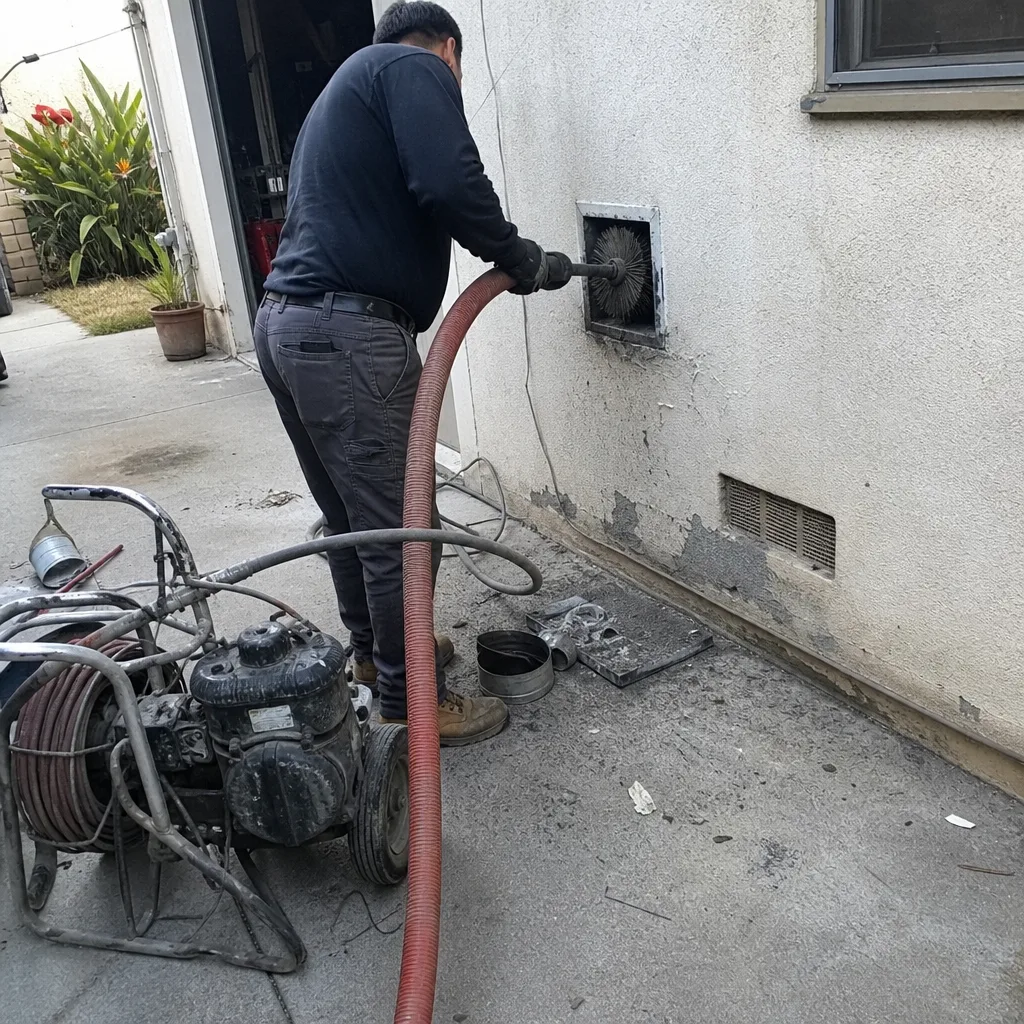 Before
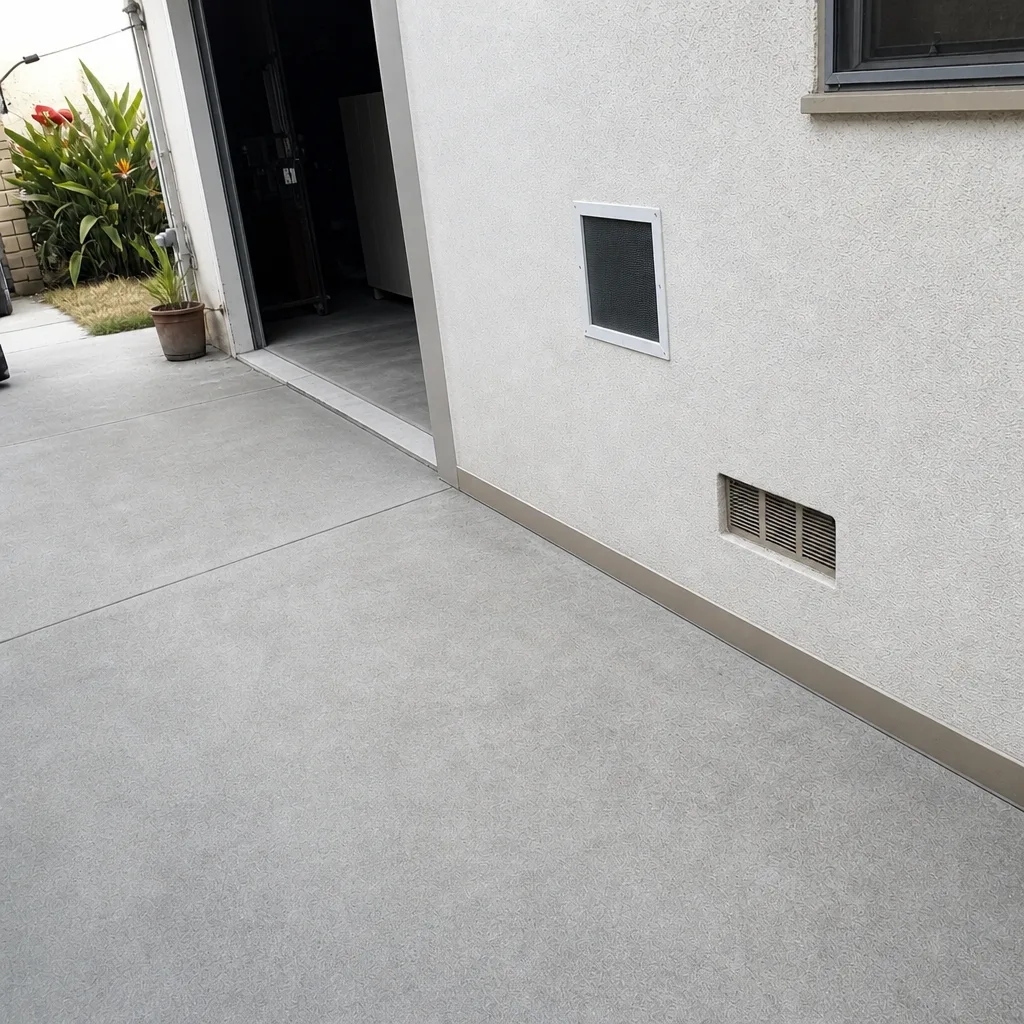 After
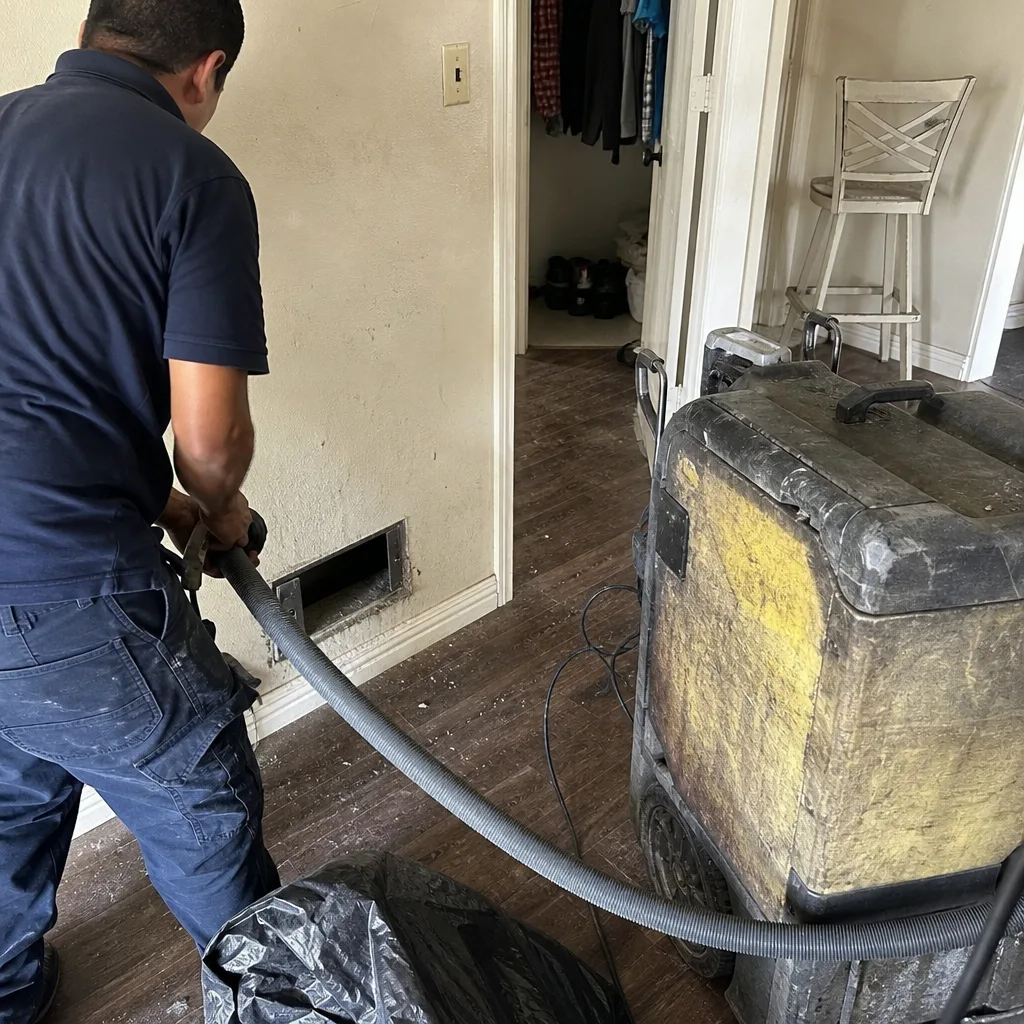 Before
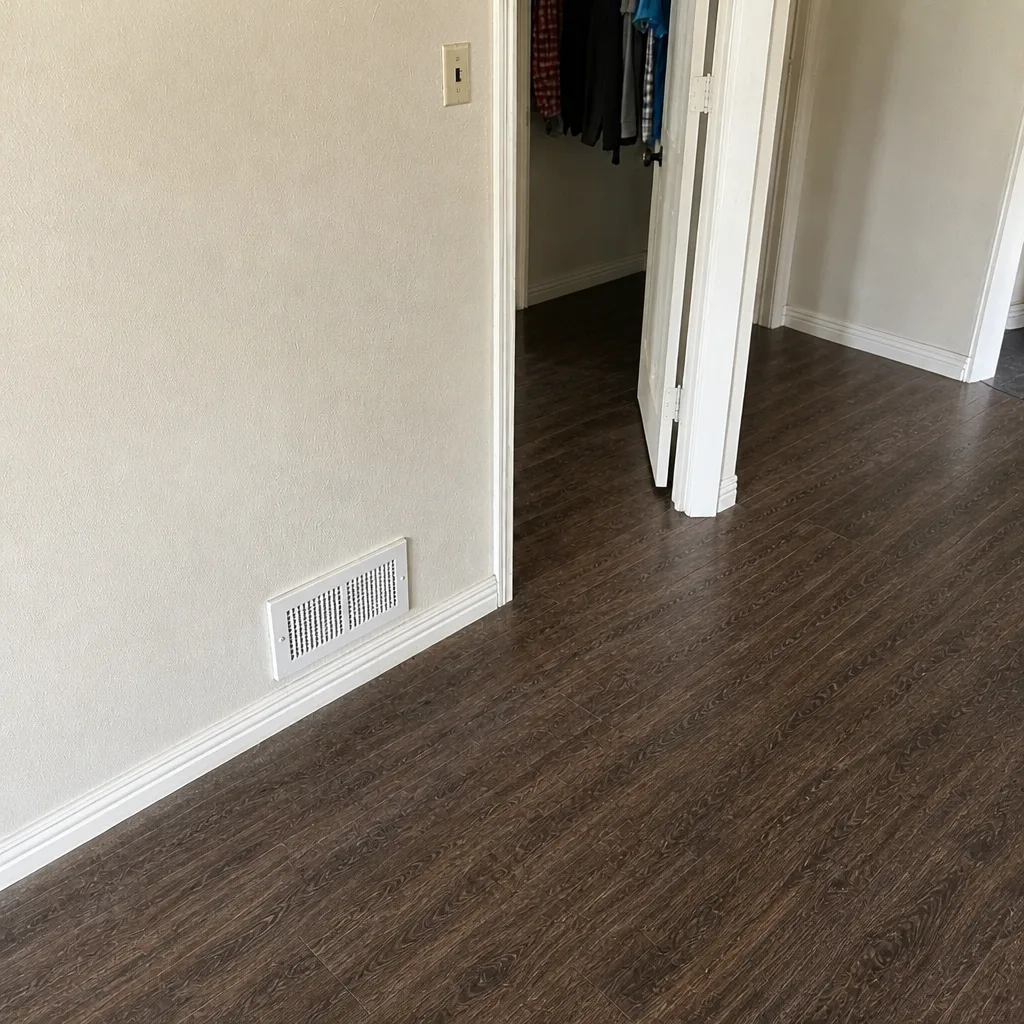 After
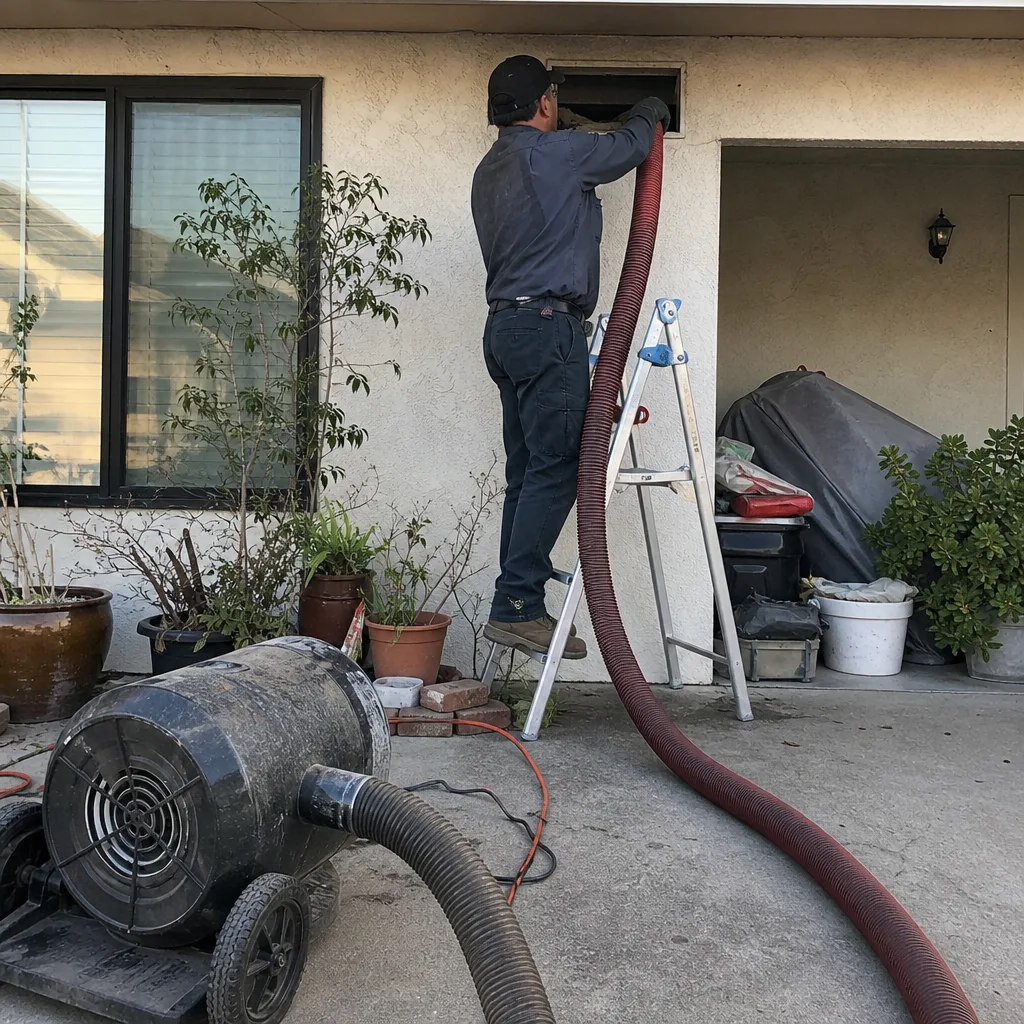 Before
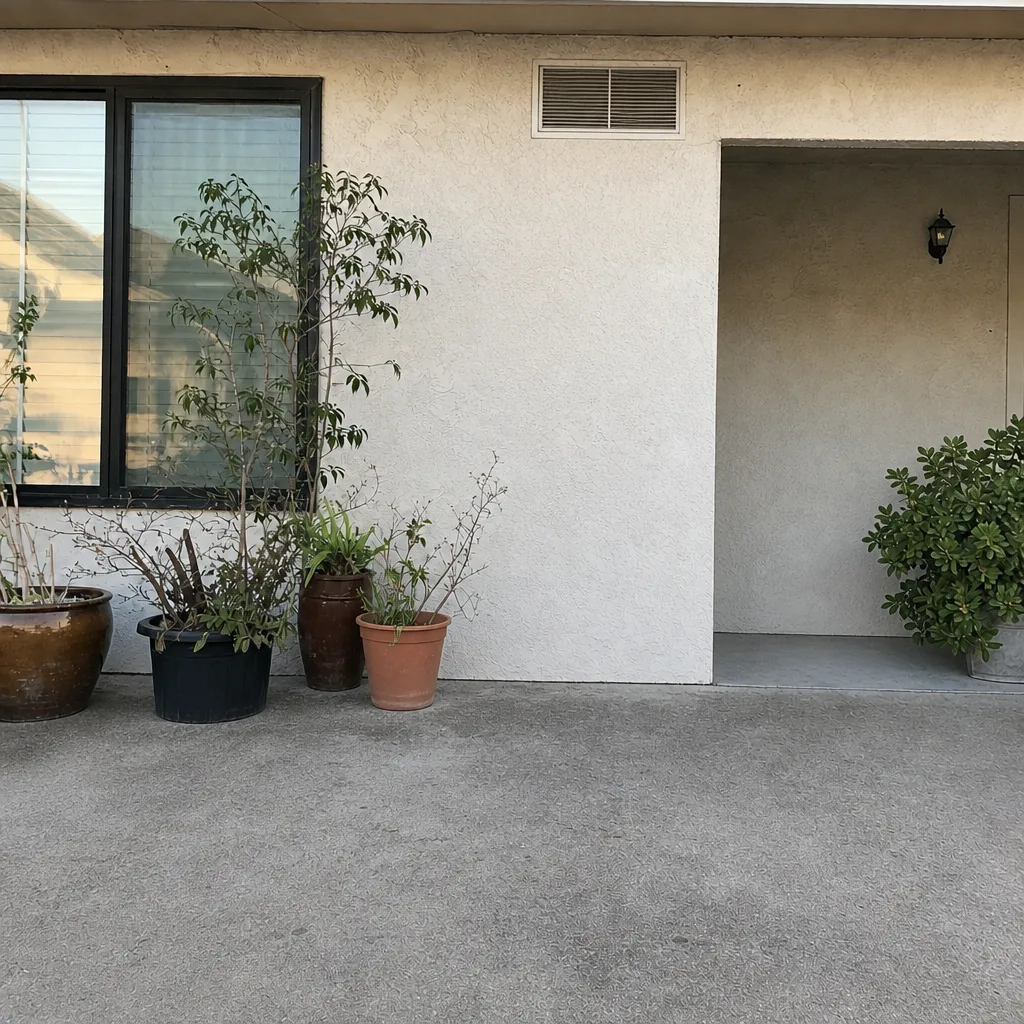 After
When to Call a Professional
Call after any of the following situations rather than waiting to see if it becomes a problem:
- Regional wildfire smoke lasted several days and the system ran throughout
- A tremor strong enough to move items off shelves occurred and the home has attic or crawlspace duct work
- Any water reached a duct, register, or HVAC cabinet, even for a short period
- The HVAC is short-cycling, a specific room is no longer receiving air, or a musty or smoky smell persists after the outdoor air has cleared
- A property manager needs a documented post-event inspection for a multi-unit building
Air Duct Cleaning Garden Grove Pros offers free estimates in Garden Grove. Call (877) 792-6315. We answer 24/7. Fast dispatch from 7am to 7pm, Sunday through Friday. Same-day service is available for situations where the system needs to be inspected quickly, and the written estimate is the final price – one flat price per system, agreed before work starts, with before-and-after photos of your ducts provided when the job is done.
Our technicians have up to 12 years of experience and work with Rotobrush and Nikro equipment, Honeywell and Aprilaire components, and Abatement Technologies containment on every job that calls for it. The local pro we connect you with is licensed and insured as their state requires, and the written estimate sets what you pay.
Frequently Asked Questions
Typical estimates in Garden Grove run per system, not per vent. A single-system home in the city generally falls in the moderate range for a whole-system cleaning, and the range increases when you add duct repair and sealing, sanitizing, or HVAC coil cleaning to the same visit. The exact number depends on the number of systems, the accessibility of the duct runs, and whether the inspection finds joints that need sealing. Call (877) 792-6315 for an exact quote – estimates are free.
Not always. If your HVAC system was off during the event and the filter was upgraded beforehand, you may only need an inspection and a new filter. If the system ran through an extended smoke event, or you can still smell smoke indoors after outdoor air cleared, a duct cleaning and possible sanitizing is the right call. The way to know is an inspection, not a guess. Call (877) 792-6315 and tell the dispatcher the system ran through the event – it changes the visit.
Cleaning a duct system that ran through a significant tremor should come after an integrity check, not before it. If any flex joints pulled loose or registers shifted, the joints have to be sealed before cleaning or the system re-contaminates within weeks. The sequence is inspection, repair, seal, then clean. Call (877) 792-6315 for a post-event inspection that covers that sequence in one visit.
The cheapest quotes usually cover a limited scope – a single vacuum pass, no sealing, no sanitizing, no filter and coil inspection. That price reflects less work and it produces a shorter result: a system that hasn’t been sealed will re-contaminate, and a system that hasn’t been inspected may have unrepaired failures the vacuum can’t fix. We quote per system, one flat price agreed in writing before work starts, with before-and-after photos so you know what was actually done. Call (877) 792-6315 for a free estimate that covers the full scope.
Before-and-after photos of your own ducts. Our scope includes them on every job, and they belong with the written estimate so you can compare. If a company won’t show you what the inside of your duct system looked like before and after, ask why. That’s a fair question to ask before booking, not after. Call (877) 792-6315 to schedule a visit and see what the estimate covers.
For an average Garden Grove home with no special events, a cleaning and inspection every few years is a reasonable baseline. That timeline shortens dramatically after a fire, earthquake, or water intrusion, and it shortens further if a household has pets, a recent renovation, or a family member with allergies. The practical answer is to inspect after any qualifying event, and to schedule routine cleaning based on what you find. Call (877) 792-6315 and we’ll help you decide whether now is the right time.
The Bottom Line
After a regional emergency, cleaning ducts is the corrective step, not the first step. Smoke needs a filter upgrade and a system-off period before the ducts can be assessed. Earthquakes need a joint and register integrity check before cleaning does anything useful. Water intrusion needs a dry-out confirmation before cleaning starts. If you remember one thing from this guide, make it the sequence: inspect, repair, seal, clean, sanitize. That’s the order Garden Grove homes need, and it’s the order that produces a system that stays clean instead of one that re-contaminates in a month. Prep before the next event – label your filter size, keep a spare MERV 13, photograph the visible duct work, and write the room-by-room air balance down – and the recovery after an event becomes a scheduled job instead of a scramble.
Call (877) 792-6315 to schedule a free estimate. We answer 24/7. Fast dispatch from 7am to 7pm, Sunday through Friday. Air Duct Cleaning Garden Grove Pros covers air duct cleaning, dryer vent safety, HVAC cleaning, duct repair and sealing, and air quality and sanitizing as one scope, so a post-event visit handles the whole system rather than a piece of it.
Written by the team at Air Duct Cleaning Garden Grove Pros.