
Last updated November 24, 2026
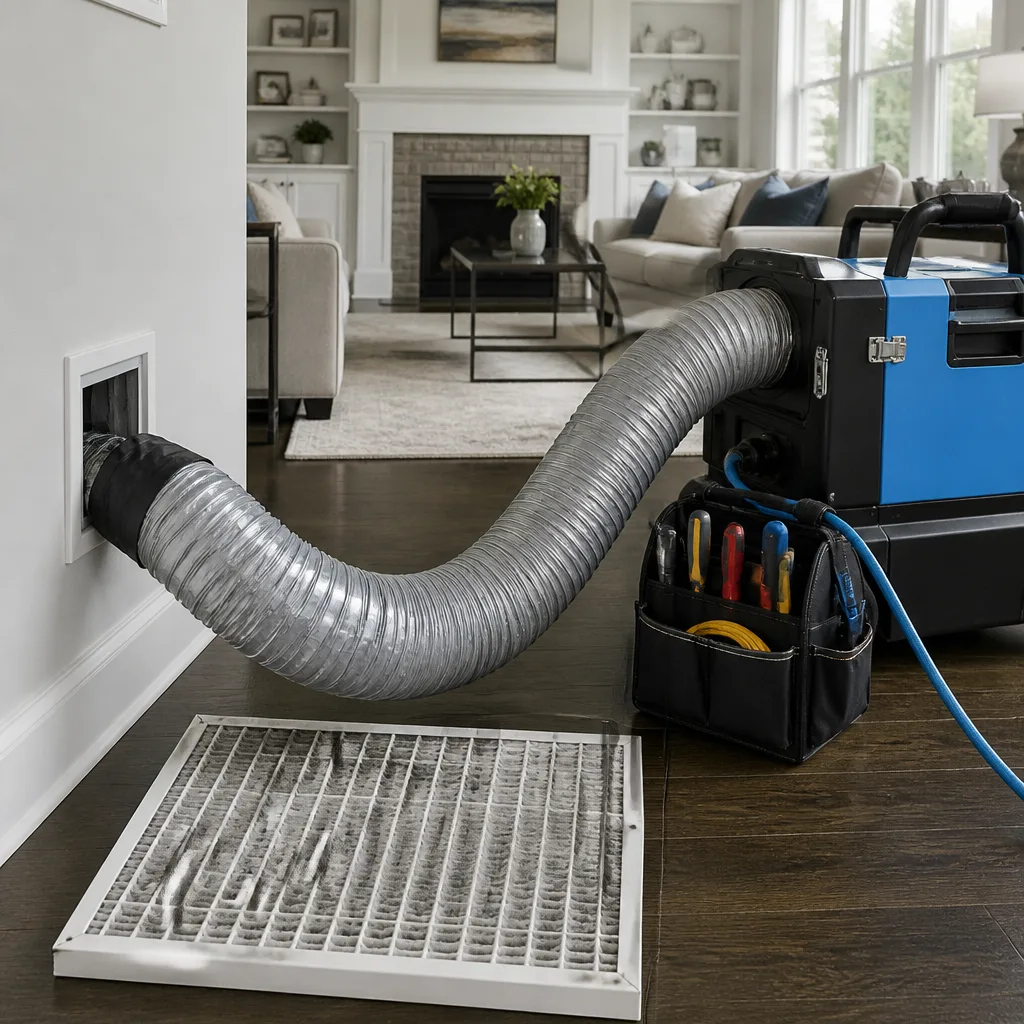 Whole-home duct cleaning
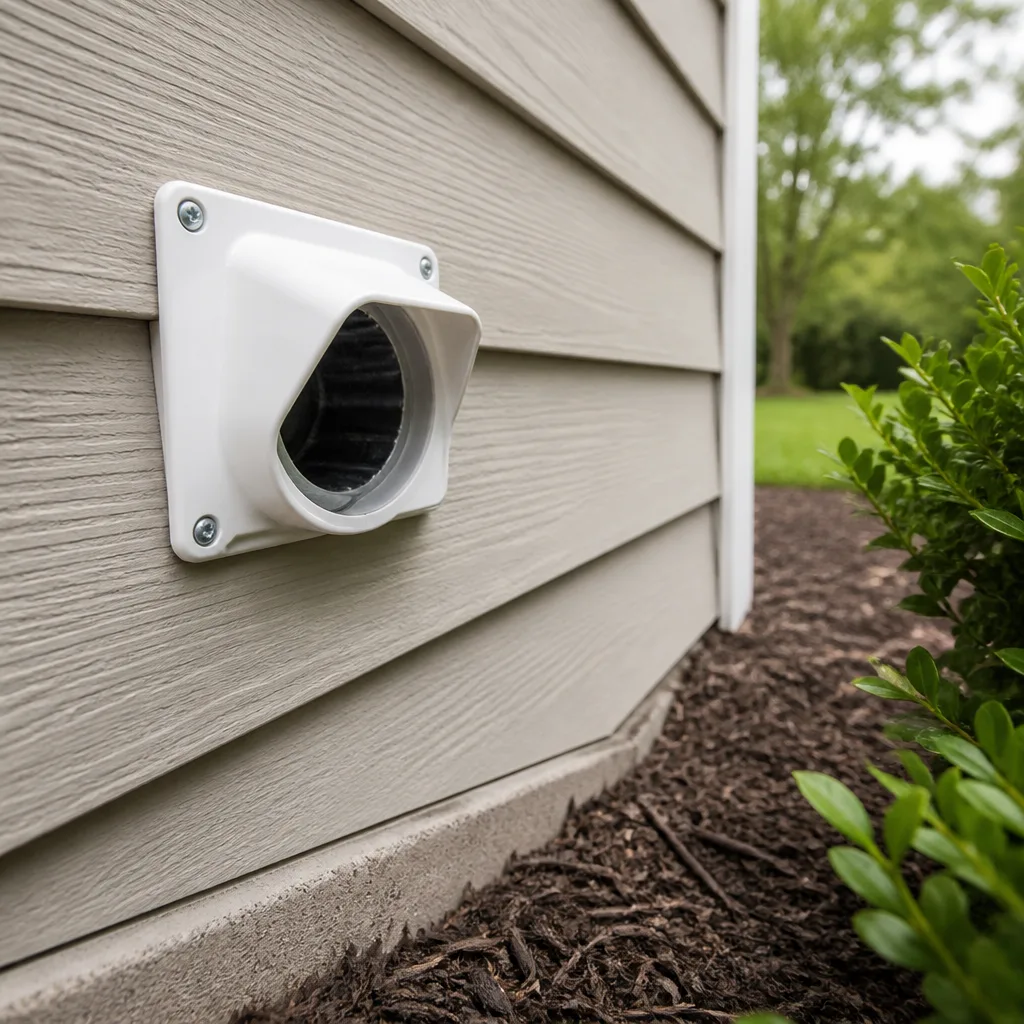 Dryer vent cleaning
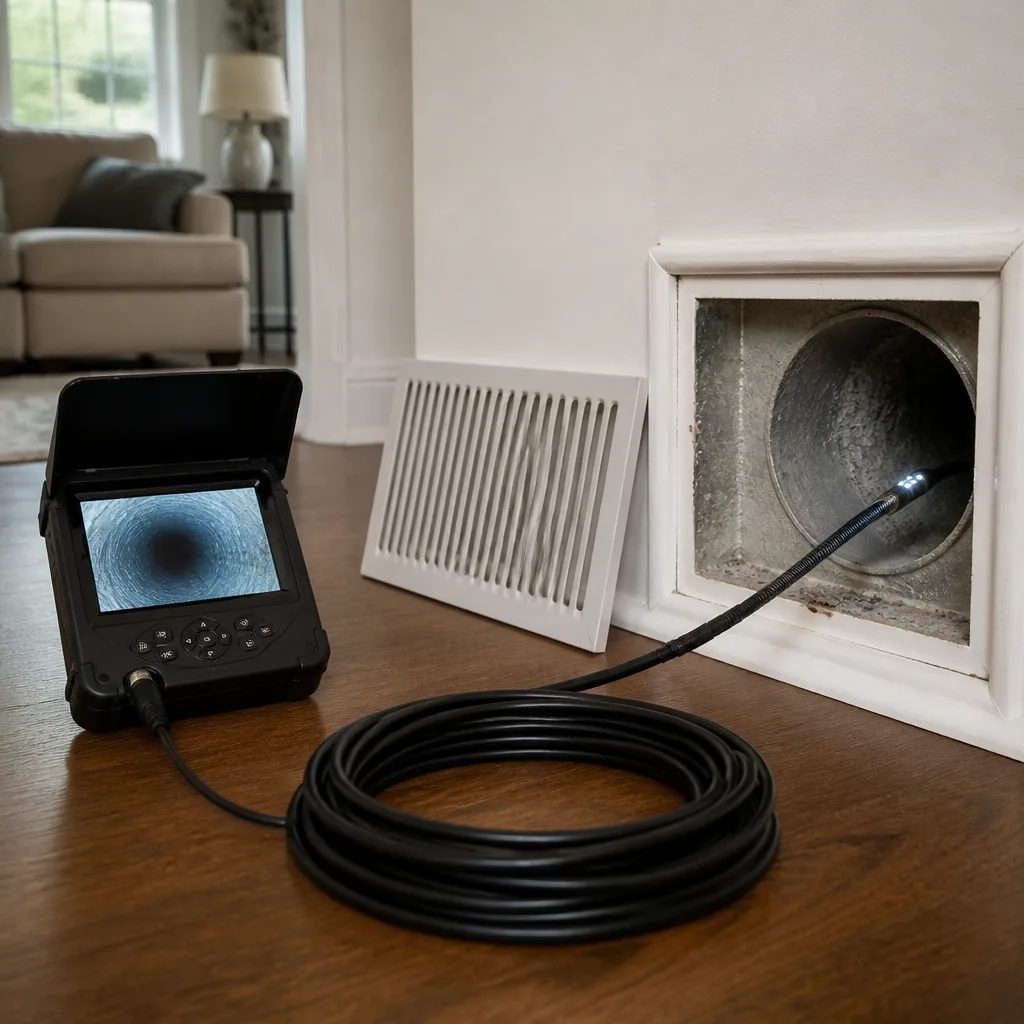 Camera inspection
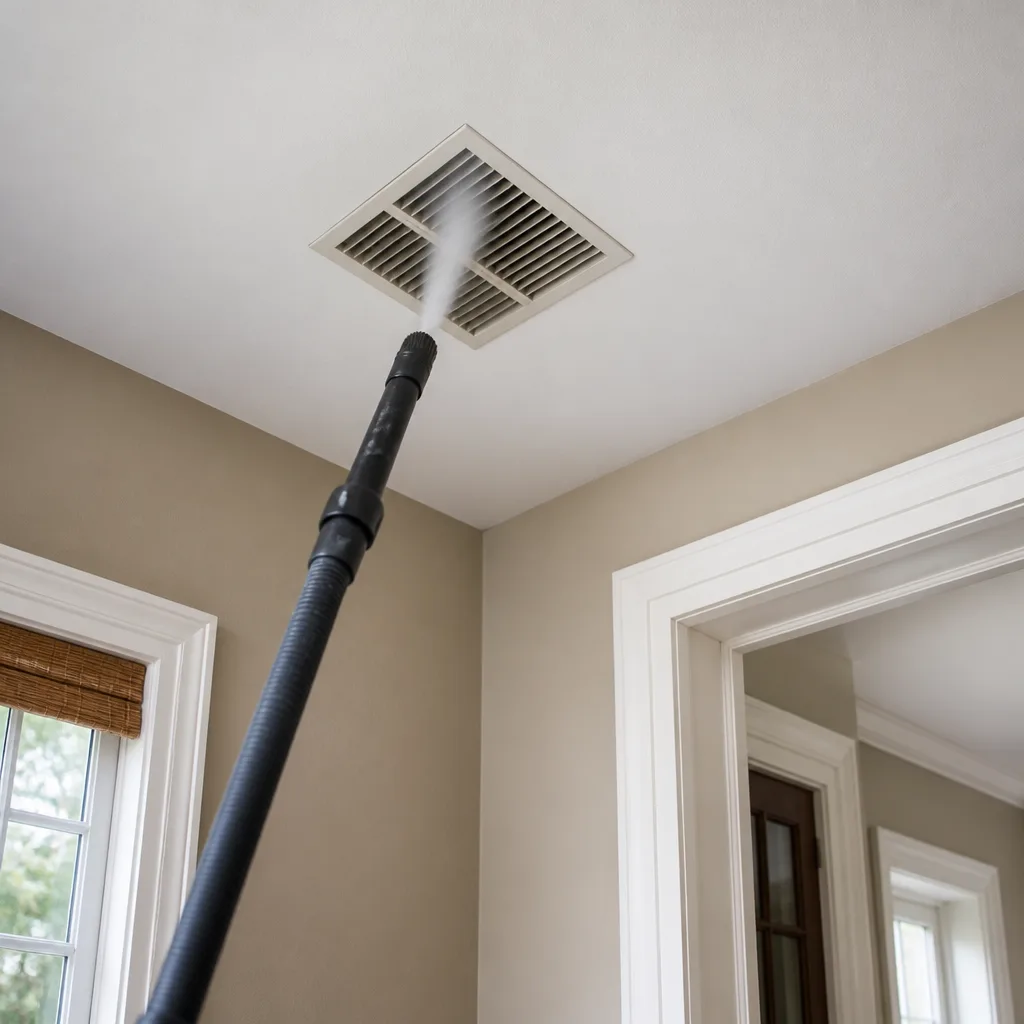 Sanitizing & deodorizing
Whole-system duct and dryer vent check with before-and-after photos - you see exactly what came out of your vents
That "$99 whole-house special" is a bait ad - the real number appears once they are in your hallway, or the "clean" is a shop-vac at the register. We photograph the inside of your ducts before and after instead.
How to Hire an Air Duct Cleaning Contractor in Garden Grove: A Step-by-Step Guide
That $49 whole-house duct cleaning offer in your mailbox isn’t a bargain. It’s a door-opening tactic, and the Federal Trade Commission has documented this exact scheme in the duct cleaning industry for years: advertise an impossibly low price, get a technician inside, then sell a much larger invoice once the equipment is running. Here in Garden Grove, these mailers and online ads show up constantly. The uncomfortable truth is that California doesn’t require a mandatory license to clean air ducts, so nobody is screening these companies for you. The vetting burden lands entirely on the homeowner. This guide gives you a concrete framework to filter out bait-and-switch operators before anyone sets foot in your house.
Quick Answer
To hire an air duct cleaning contractor in Garden Grove, require NADCA membership as a baseline, get a written whole-system quote (not a per-vent price), and ask five specific questions about equipment, scope, and credentials before you book. California has no mandatory duct cleaning license, so your own screening is the only real consumer protection you have. A legitimate quote names a specific air velocity standard, a written scope of work, and a flat price for the whole system – not a teaser price that grows once the technician is inside.
Styles & brands we work with
- Whole-home duct cleaning
- Dryer vent cleaning
- Camera inspection
- Sanitizing & deodorizing
Table of Contents
- Why Duct Cleaning Vetting Matters More in Garden Grove
- What NADCA Membership Actually Verifies
- The Five Questions to Ask Before Scheduling
- How to Read a Quote Line by Line
- California-Specific Red Flags
- How to Verify Equipment Capability
- The Step-by-Step Hiring Process
- Common Mistakes to Avoid
Why Duct Cleaning Vetting Matters More in Garden Grove
Garden Grove sits in Orange County’s coastal plain, where the climate runs mild and dry most of the year and the Santa Ana winds push dusty, particulate-heavy air inland every fall. That combination means ducts here accumulate fine dust, pollen, and construction debris faster than homeowners expect – especially in older neighborhoods where homes were built decades ago and duct systems have never been professionally touched. West Garden Grove, the area near Garden Grove Boulevard, and the Historic Main Street district all have housing stock where original flex duct or sheet metal runs are still in place. You can’t see what’s living in your ducts, and that invisibility is exactly why a bad contractor can get away with almost anything.
The industry’s structure makes it worse. Duct cleaning is largely unregulated at the state level in California. Anyone with a portable shop-vac and a magnetic sign can print a flyer. There’s no state exam, no required bonding for the cleaning itself, and no enforcement body specifically watching duct cleaners. What does exist is a voluntary trade standard from NADCA, plus the separate licensing that covers HVAC mechanical work. Knowing which credential applies to which task is the first filter.
One more local factor: Garden Grove’s housing mix includes a large share of rental properties and multi-unit buildings. Property managers hiring on behalf of tenants face the same vetting problem, only multiplied across units. A written scope of work is even more important when you’re signing off on work you’ll never personally watch.
What NADCA Membership Actually Verifies
NADCA membership is the closest thing the duct cleaning industry has to a credential, and it’s the best baseline to require – but you should understand precisely what it does and doesn’t confirm. NADCA, the National Air Duct Cleaners Association, sets the ACR standard (Assessment, Cleaning, and Restoration) that most legitimate contractors follow. Membership signals that a company has at least committed to that standard and to continuing education.
What NADCA membership verifies:
- The company follows a recognized industry cleaning standard rather than winging it.
- Technicians have access to training on source removal, containment, and system assessment.
- The company has agreed to a code of ethics around advertising and pricing practices.
What NADCA membership does not verify:
- It is not a government license. NADCA can’t revoke your right to operate in California.
- It doesn’t guarantee the specific crew arriving at your door has been trained to the standard.
- It doesn’t confirm insurance coverage amounts or bonding.
- It doesn’t police individual job pricing or sales tactics.
So treat NADCA as a required floor, not a finished screen. Ask for the membership number and verify it yourself through the NADCA directory – membership claims are easy to make and easy to check. In our experience across Garden Grove, the companies that can produce a verifiable number are almost always the ones that also hand over a written scope of work without being pushed.
The Five Questions to Ask Before Scheduling
These five questions reveal whether you’re talking to a real duct cleaning operation or a sales front. Ask them before anyone schedules a visit, and listen for whether the answers are specific or vague.
- What equipment will you use, and is it negative pressure? A legitimate answer names the machine type and confirms truck-mounted or high-powered negative pressure equipment. A bad answer is “our special vacuum” with no specifics. Negative pressure keeps contaminants from blowing back into your living space – it’s the whole point.
- Will you use the same equipment on every duct, or portable vacuums in the house? Portable shop-vac-grade units can’t pull enough airflow to actually clear a duct run. Ask directly.
- What’s included in the price, and what costs extra? A real quote breaks out cleaning, sanitizing, repair, and sealing. A bait-and-switch quote has one number and a stack of upsells waiting.
- Do you provide a written scope of work before starting? If they can’t put the scope in writing, they can’t be held to it.
- Can you show me before-and-after documentation of my own system? Photos or video of your ducts, not stock images from the website. This is the single best protection against work that was never performed.
If a company sidesteps any of those five, end the call politely. There are plenty of contractors in Garden Grove who will answer them straight.
How to Read a Quote Line by Line
The most important distinction in any duct cleaning quote is per-vent pricing versus whole-system pricing. It changes your final bill dramatically, and the difference isn’t obvious until the work is underway. Here’s how to decode a quote.
- Per-vent pricing: The contractor quotes a small number “per vent” or “per register.” The base number looks tiny, but a typical home has 12 to 20 supply and return registers, so the real total only becomes clear after a count. This model invites a lowball headline and a much higher final invoice.
- Whole-system pricing: One price covers the entire duct system – supply runs, returns, main trunk, and the blower area where specified. You know the total before anyone arrives, which is the only way to compare two quotes honestly.
- Upsell layers: Sanitizing, sealing, and repair may legitimately cost extra, but they should be itemized in advance, not revealed mid-job as “required.”
- Add-on bait: Some quotes separate “HVAC cleaning” from “duct cleaning” to inflate the total later. Ask what the five core services are and whether they’re bundled or separate.
Keep the quote in writing and compare it to a professional-grade scope. If you’re looking for a whole-system picture rather than a per-vent estimate, our air duct cleaning service is quoted as a single system price. The written estimate sets the final number, and no legitimate contractor should surprise you after arrival.
California-Specific Red Flags
California’s regulatory gap creates specific warning signs Garden Grove homeowners should recognize. Watch for these:
- Bundled unlicensed HVAC work. Duct cleaning itself isn’t licensed, but duct repair and system modification that touches mechanical components can be. If a quote adds “sealing and rerouting” work by someone who isn’t licensed for mechanical work, ask who holds that license.
- No written scope of work. California consumers have a right to know what they’re paying for before work starts. A company that won’t put scope in writing is betting you won’t ask again.
- Cash-only pricing. Cash-only discourages receipts and credit card protection. A legitimate business takes standard payment and gives you a documented invoice.
- No physical address or local verification. Out-of-area operators run mailer campaigns through Garden Grove and disappear. Ask for a verifiable business identity.
- “Free inspection” that turns into a pressure sell. Inspections are fine; a sales pitch disguised as an inspection that ends with a signed contract is not.
- No before-and-after documentation. If damage really is lurking, you should see the evidence – not just be told about it.
Our approach in Garden Grove is the reverse: one flat price per system agreed before work starts, and before-and-after photos of your own ducts, every time. That’s the standard we’d ask of any contractor, including ourselves.
How to Verify Equipment Capability
The most technical filter is equipment. Duct cleaning works on airflow – if the machine can’t generate enough velocity, debris simply stirs and settles back where it was. The NADCA standard calls for roughly 500 feet per minute (FPM) air velocity through the duct being cleaned, which varies with duct diameter. A portable shop-vac simply cannot move that volume.
Here’s what to ask so you can check capability, not just take a claim:
- Ask what equipment brand they run. Professional-grade systems like Rotobrush and Nikro are standard among commercial and restoration contractors – those names are worth recognizing. Abatement Technologies equipment is used where contaminant control is a genuine concern. Consumer-grade vacuums and generic equipment don’t carry that kind of pedigree.
- Ask whether they use truck-mounted negative pressure or portable units. For whole-house systems, negative pressure created at the truck is what pulls material out of the system instead of pushing it into the room.
- Ask whether they can achieve the required air velocity for your duct diameter. A knowledgeable contractor can tell you how they hit the target for your specific system. Vague answers signal portable equipment.
- Ask what they do with recovered debris. Contained and removed, not just moved, is the answer you want.
If you want to see this standard applied to the whole system, our HVAC cleaning work uses professional-grade equipment from Rotobrush and Nikro. The equipment is the first half of the job; sealing and sanitizing are the second.
The Step-by-Step Hiring Process
Here’s the sequence that works for Garden Grove homeowners. Follow it in order and you’ll eliminate most bad actors before they reach your door.
- Start with referrals and verifiable sources. Ask neighbors, your HOA, or your property manager who they’ve used, then check the company independently.
- Confirm NADCA membership. Look up the company in the NADCA directory. If the name isn’t there, treat it as an unvetted operator.
- Get a written scope of work. It should name what’s cleaned, what’s repaired, and what’s sealed. Get it by email.
- Insist on whole-system pricing. One price per system, not per vent. Compare two quotes side by side.
- Ask the five questions from this guide. Note whether the answers are specific or vague.
- Confirm insurance and licensing. Ask for a certificate of insurance, and ask who holds the license for any mechanical work.
- Watch for upsells after the visit starts. A legitimate contractor diagnoses before quoting. A bait-and-switch diagnoses after.
- Get before-and-after documentation. Photos or video of your own system, before and after. Keep them.
Our own process follows that framework. You can also request a dryer vent cleaning as a dedicated safety service in the same visit, since a clogged dryer vent is a fire risk that’s separate from dust accumulation.
Common Mistakes to Avoid
- Calling the cheapest offer in the mailbox. A low headline price is the setup, and the upsell is the payoff. Start with credentials, not with price.
- Taking a phone quote as a final quote. A real scope requires knowing how many registers and returns you have. A legitimate contractor will ask.
- Skipping the NADCA check. Companies lie about membership because it’s easy to check – don’t spot them the free verification.
- Accepting a per-vent price at face value. Multiply it by your vent count before you decide. The total is what matters.
- Assuming “cleaned” means sealed and repaired. Cleaning removes debris; sealing and repair stop the leak. A full-system approach handles both.
- Not asking about negative pressure. Without it, you may just move dust around your house instead of removing it.
- Skipping the dryer vent as a separate safety item. It’s a distinct fire-prevention service, not an afterthought.
See the difference
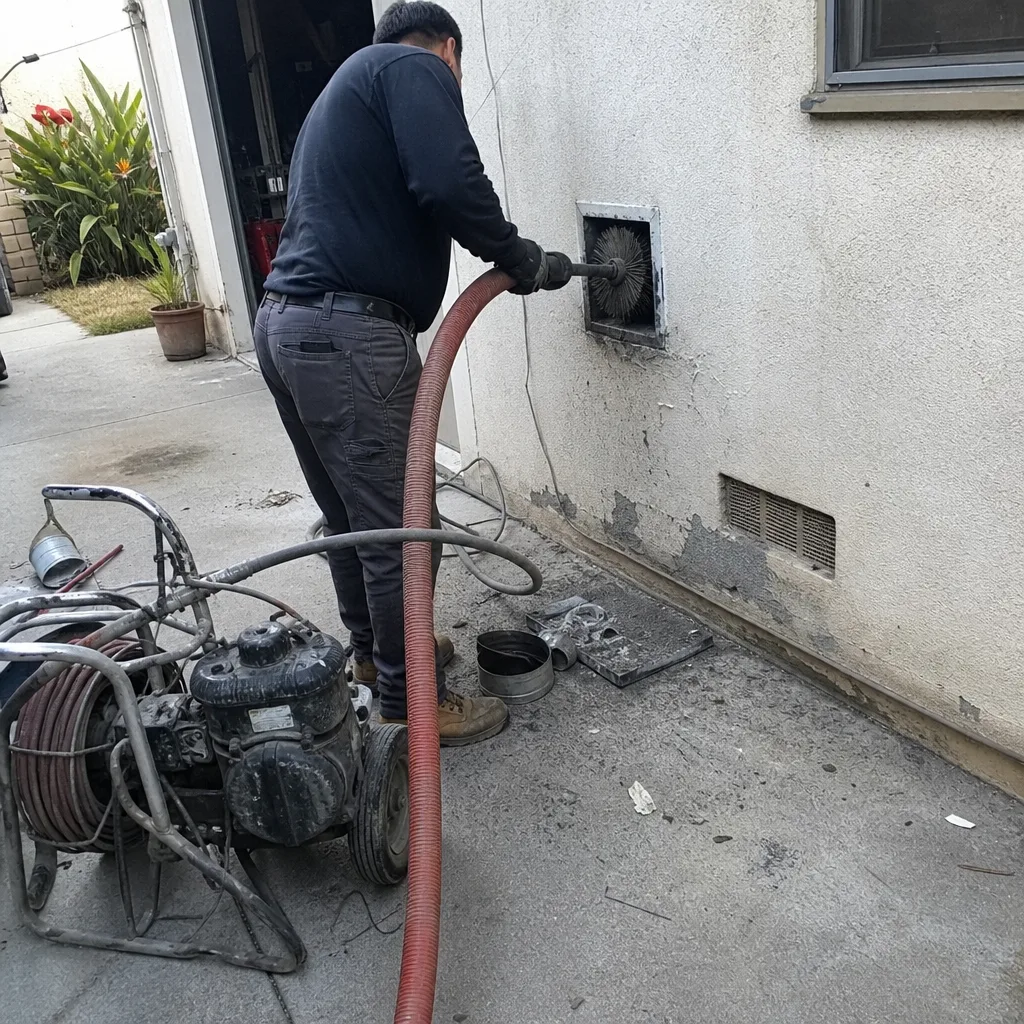 Before
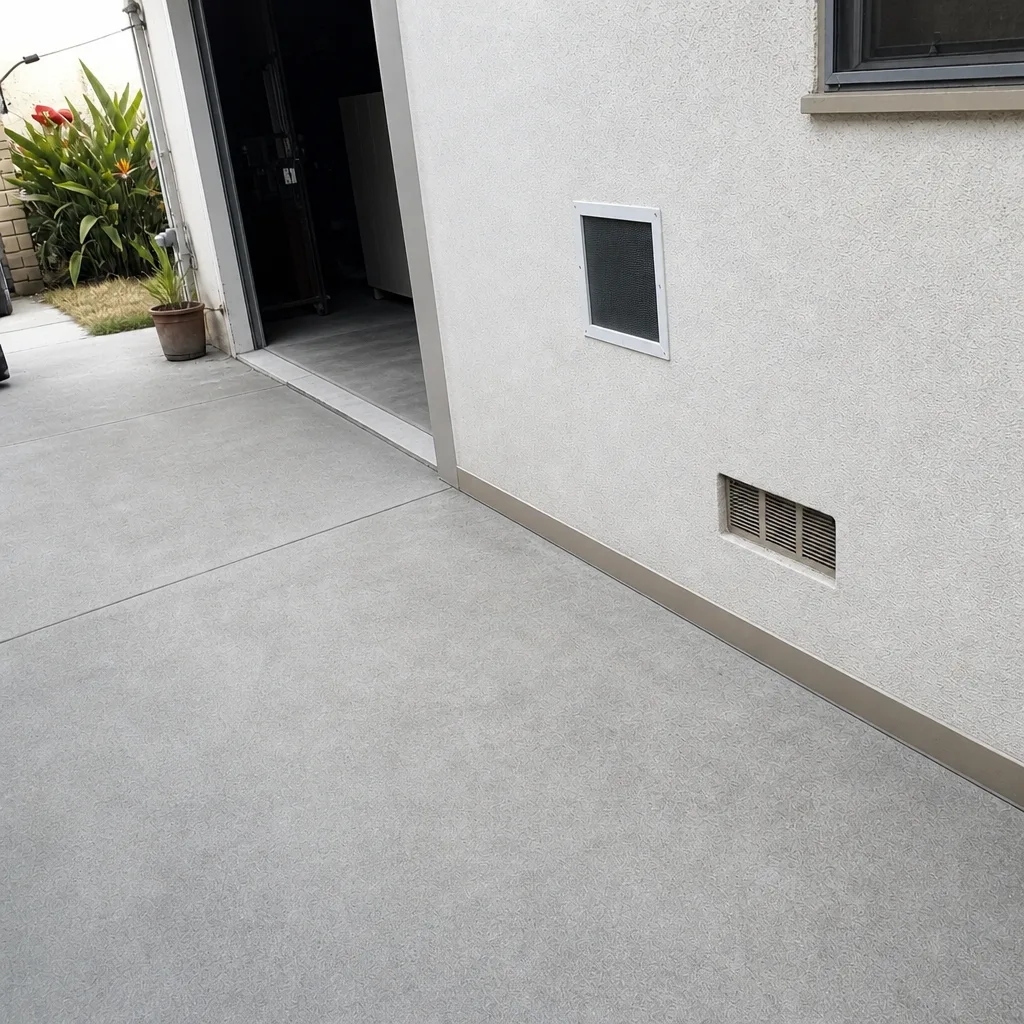 After
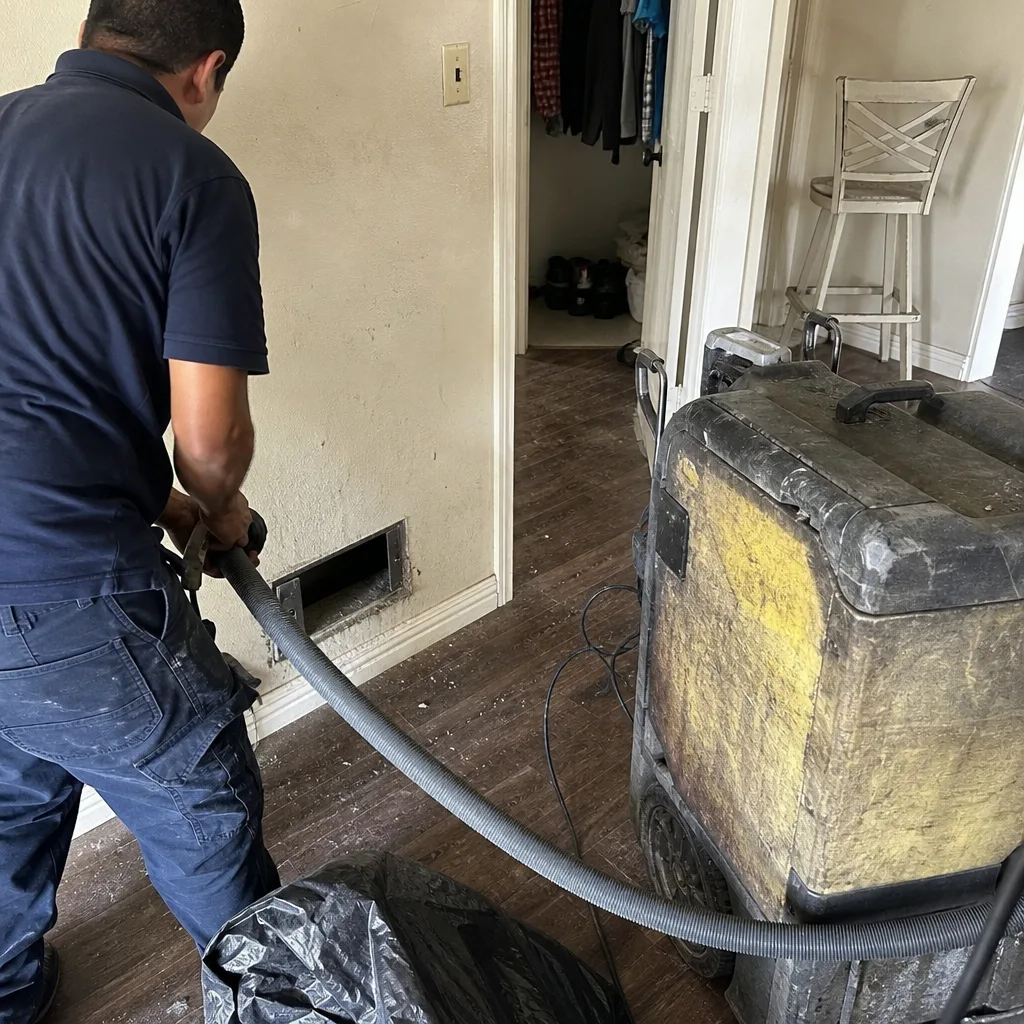 Before
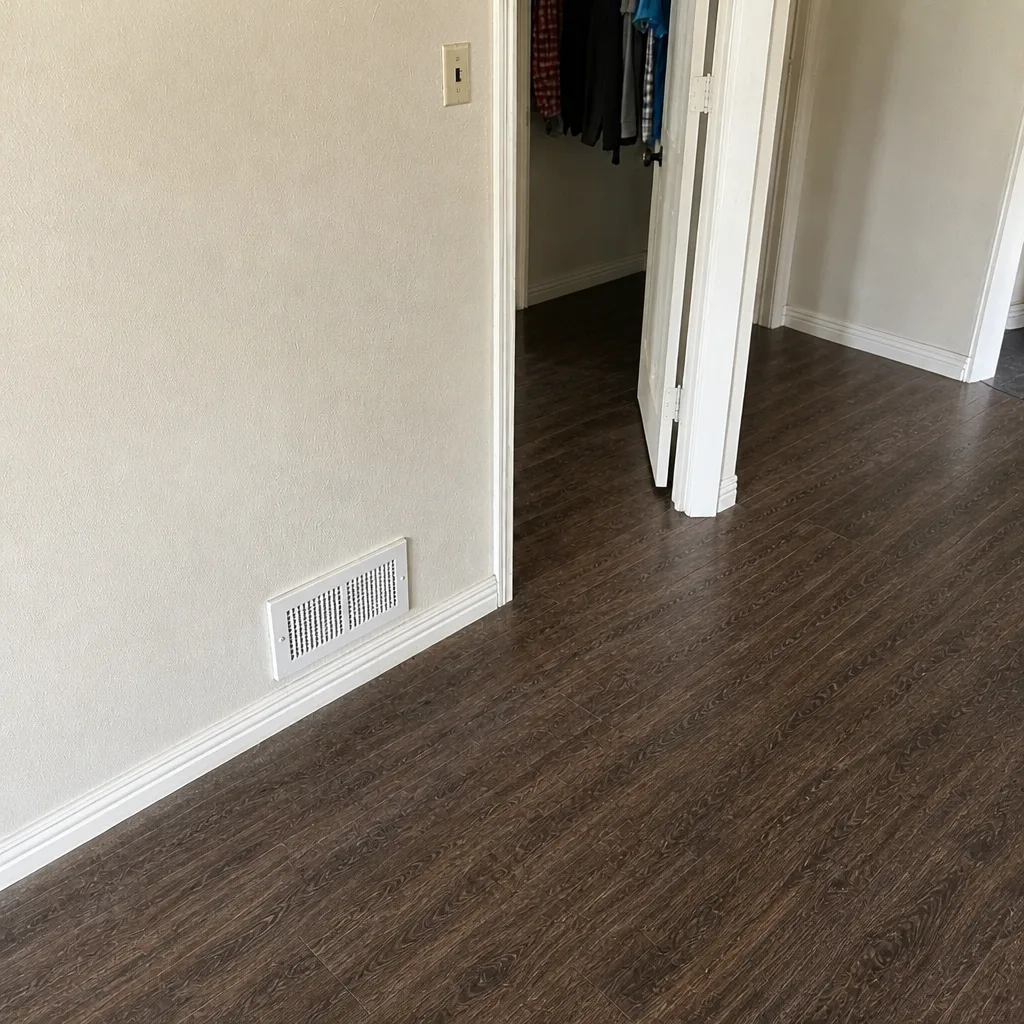 After
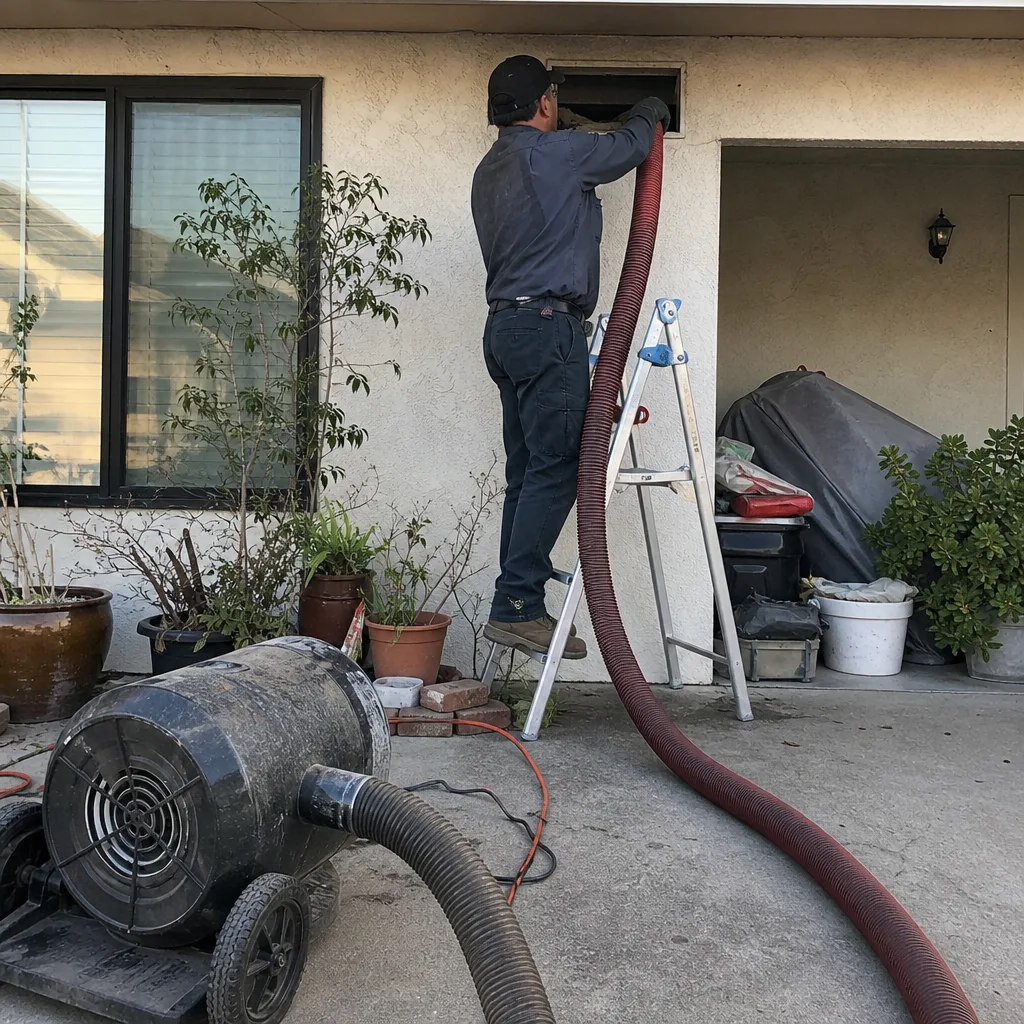 Before
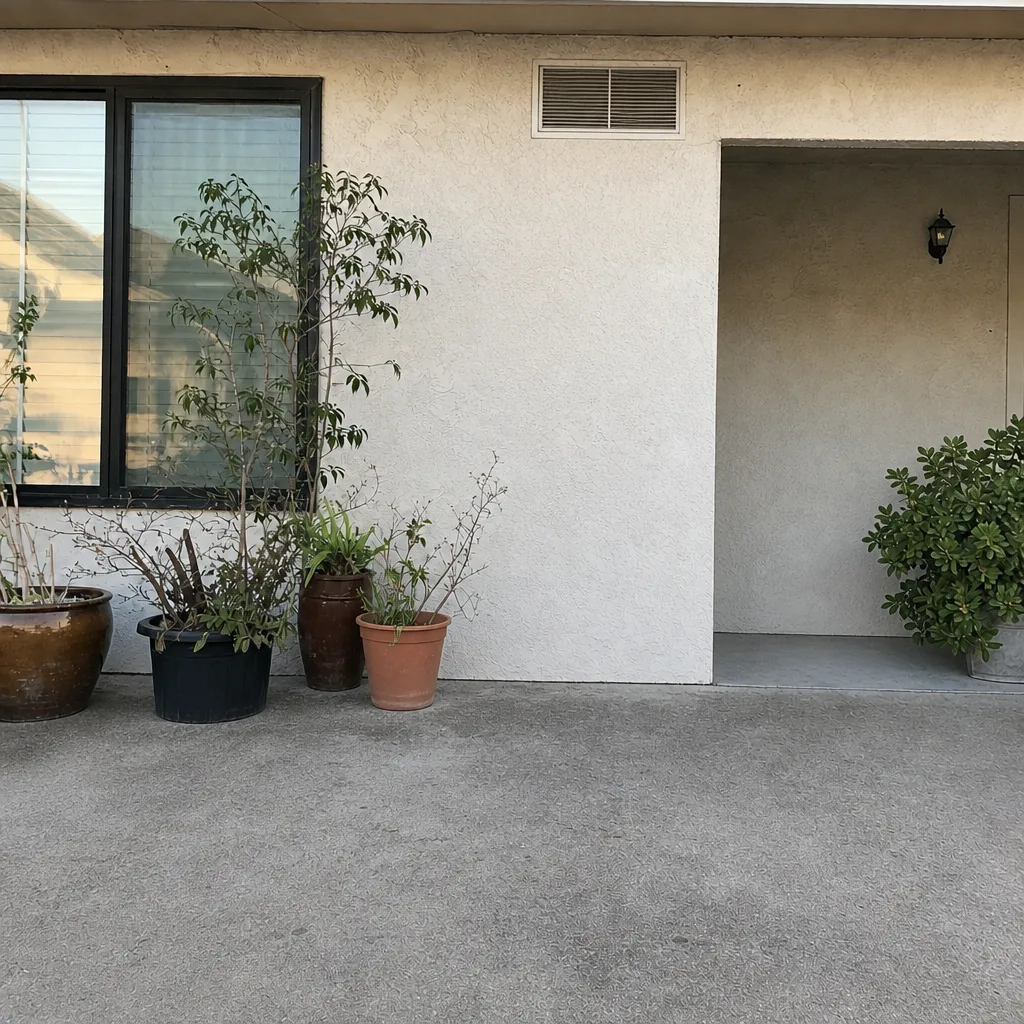 After
When to Call a Professional
Some signs mean it’s time to stop researching and schedule a real assessment. If you’ve moved into a Garden Grove home whose ducts have never been professionally cleaned, if dust settles noticeably faster than it used to, if you’re seeing worsening allergy symptoms indoors, or if your HVAC is working harder to move the same air, that’s the moment to get a proper whole-system inspection. Older homes in established Garden Grove neighborhoods are especially worth checking. The same is true if you’ve just finished remodeling – construction debris ends up in duct runs.
Air Duct Cleaning Garden Grove Pros offers free estimates in Garden Grove – call (877) 792-6315. We answer 24/7, with fast dispatch from 7am to 7pm, Sunday through Friday. The local pro is licensed and insured as their state requires, and every estimate is written before work starts.
Frequently Asked Questions
No. California has no mandatory state license for air duct cleaning itself, which is why your own vetting matters more here than in licensed trades. Duct repair or mechanical work that touches HVAC components may need a licensed contractor, so always ask who holds the license for that part of the job.
No, NADCA membership is voluntary, not a legal requirement. It’s still the best baseline credential to require because it signals the company follows a recognized cleaning standard – just verify it yourself rather than accepting the claim.
Pricing depends on your system size, duct condition, and which services you need, and a legitimate quote is set per job rather than per vent. Start from a written estimate and compare whole-system totals, not teaser prices. Call (877) 792-6315 for a free estimate rather than guessing from a mailer.
Per-vent pricing quotes a small number for each register, so the final total only appears after a count. Whole-system pricing is a single flat price for the entire duct system, which is the only way to compare two quotes honestly before work starts.
Ask for before-and-after photos or video of your own ducts, taken on site. That documentation is your proof the work happened – without it, you’re relying on faith. We provide it as standard, and you should ask any contractor to do the same.
Cheap headline quotes usually come from a low per-vent rate, portable equipment, or an upsell waiting after the technician arrives. The honest range reflects real negative-pressure equipment, a full-system scope, and written documentation. Call (877) 792-6315 for an exact quote – estimates are free.
The Bottom Line
The air duct cleaning industry in California doesn’t screen contractors for you, so screening is your job. The framework is simple: require verifiable NADCA membership, demand a written whole-system quote instead of a per-vent price, ask the five equipment and scope questions, and insist on before-and-after documentation of your own ducts. Recognize the California-specific red flags – bundled unlicensed work, cash-only pricing, pressure upsells after the visit starts. Do those four things and the bait-and-switch operators eliminate themselves. For professional-grade equipment and a full-system approach, Air Duct Cleaning Garden Grove Pros is ready when you are. Call (877) 792-6315 for a free estimate. We answer 24/7, with fast dispatch from 7am to 7pm, Sunday through Friday.
Written by the team at Air Duct Cleaning Garden Grove Pros.